
Livraison le jour même ou le lendemain

Qualité garantie

Débloquez vos offres de bienvenue: Livraison GRATUITE | Jusqu'à -80 % | 30 jours d'essai gratuits à JoyPlus
Téléchargez l'application
A good freezer bag is a kitchen essential. It preserves the freshness of your food, helps organize your freezer, and stands out as a powerful tool against waste. Yet, faced with a jungle of options on the shelves, it's easy to end up with disappointing products that create more problems than they solve. Here is our guide to cut through the noise and help you choose the bags that will truly meet your needs.
Marketing can be misleading. Some bags, despite their appealing promises, suffer from design flaws that sabotage their primary mission: flawless food preservation.
To make the right choice, focus on a few key features that make all the difference in terms of effectiveness and durability.
An airtight seal is the non-negotiable criterion. It's what protects food from oxidation and frost.
The durability of a freshness bag depends directly on its material.
A good bag should also make your daily life easier.
Rather than an exhaustive list, here are targeted options for different user profiles, based on our criteria for performance and practicality.
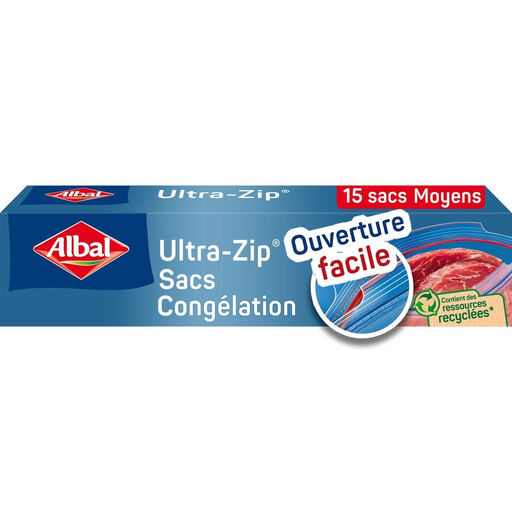
The ideal user: Perfect for daily meal management, from *batch cooking* on the weekend to weekly leftovers. A reliable and practical solution for freezing portions of soup, sauce, or vegetables.
Its double-zipper closure guarantees a foolproof seal, providing the best defence against leaky seals and freezer burn.
Its robust design withstands the extreme temperatures of the freezer. Made with 70% recycled materials, it's a plus for more responsible consumption.
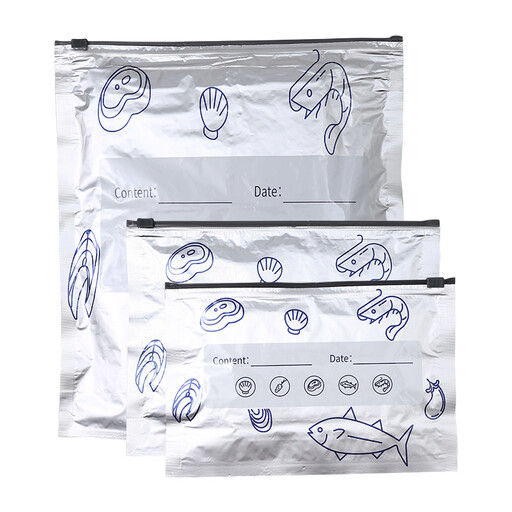
The ideal user: For those who want to reduce their plastic waste without sacrificing performance. This set of 3 sizes is perfect for storing everything from snacks to cuts of meat or cooked meals.
This reusable freezer bag is made from a durable, washable composite material (PET+AL+PE) that doesn't retain odours. It avoids the pitfall of "reusable" bags that get damaged after just a few washes.
The aluminium layer blocks light and odours, which slows down oxidation. The slider closure is reliable, and the stand-up base simplifies storage.
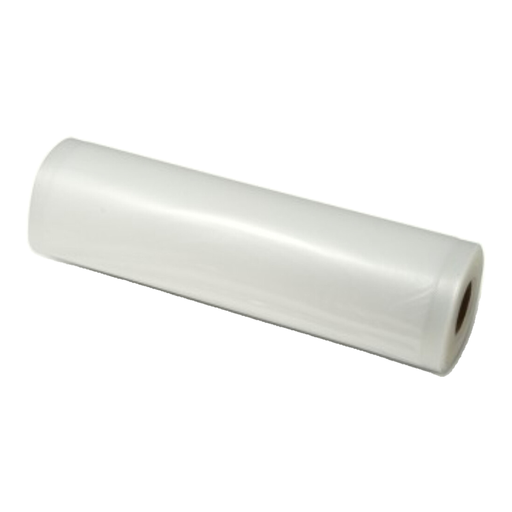
The ideal user: For sous-vide cooking enthusiasts or anyone who wants to preserve premium ingredients (fine cuts of meat, fresh fish) for as long as possible, while maintaining flavour and texture.
This food vacuum-seal bag tackles the root of the problem: air. Heat sealing creates a perfectly hermetic and durable weld, far superior to what a simple zipper can offer.
The roll format allows you to create custom-sized bags. Its embossed texture ensures optimal air extraction. It is compatible with sous-vide cooking up to 100°C.
Discover our full selection of products that meet our performance criteria and food safety standards.
Yes, but only if it is a reusable freezer bag designed with thicker, more durable materials. It must be washed with warm, soapy water and dried completely before each new use. For hygiene reasons, avoid reusing bags that have held raw meat or fish. Single-use bags, which are thinner, are not made to be washed; they degrade and lose their airtight seal.
For a zip-top freezer bag, there's a simple trick known as the water displacement method: submerge the bag (leaving a small opening) in a large container of water. The water pressure will force the air out and up. Once the air is expelled, all you have to do is completely close the zipper just above the water's surface. This method creates a surprisingly effective partial "vacuum-sealed" effect.
A standard storage bag (like a sandwich bag) is often thinner and not designed to withstand the sub-zero temperatures of a freezer. It is likely to become brittle and lose its seal. A true freezer bag, on the other hand, is made from a thicker, more flexible plastic specifically treated to resist freezing without becoming fragile. This is what guarantees optimal protection for your food over the long term.