
Livraison le jour même ou le lendemain

Qualité garantie

Débloquez vos offres de bienvenue: Livraison GRATUITE | Jusqu'à -80 % | 30 jours d'essai gratuits à JoyPlus
Téléchargez l'application
A leaky freezer bag flooding your drawer, food ruined by frost, a lovingly prepared stew that ends up smelling like the frozen fish next to it... We've all experienced these frustrating and costly everyday kitchen disasters. Choosing the right food storage bag might seem trivial, yet the market is a jungle of products with often-disappointing promises.
As a daily-use product expert at Joybuy, my mission is to guide you through this jungle. Let's break down the two most common traps together, so your next purchase is driven by your actual needs, not by marketing slogans.
To avoid these disappointments, let's focus on technical criteria, which are far more reliable than slogans. Here are the points to examine closely.
The reliability of a freezer bag rests almost entirely on its seal. Not all are created equal.
The material determines not only the bag's strength but also its safety and reusability.
A single type of bag can't suit all purposes. Think about your primary need:
Here is a selection of products that check all the boxes for specific needs.
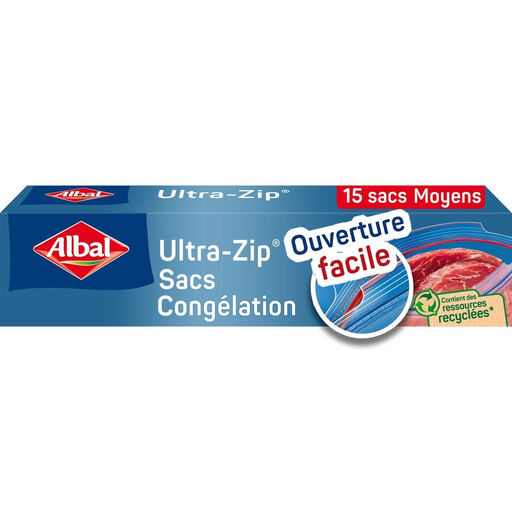
Why we chose it: Perfect for families and batch cooking enthusiasts looking for a reliable solution to freeze large meals, vegetables, or leftovers.
Its double zip provides a real guarantee against leaks and oxidation, where a single zip often fails.
Its foolproof seal and large 3-litre capacity. The fact that it's made with 70% recycled materials is a real plus for more conscious consumption.
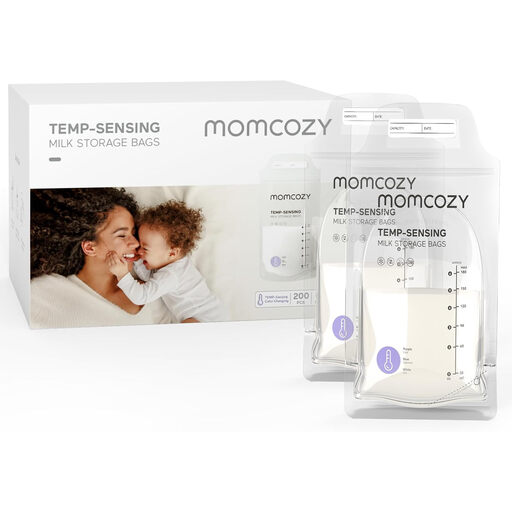
Why we chose it: Specially designed for parents who want a 100% safe and practical solution for storing breast milk. Here, peace of mind is non-negotiable.
This is not a standard freezer bag. It is pre-sterilised, guaranteed BPA-free, and has a dedicated pouring spout to prevent any contamination. A feature that general-purpose bags do not offer.
The thermosensitive temperature indicator is a clever feature to check at a glance that the milk is at the right temperature. Its double zipper provides extra leak-proof security.
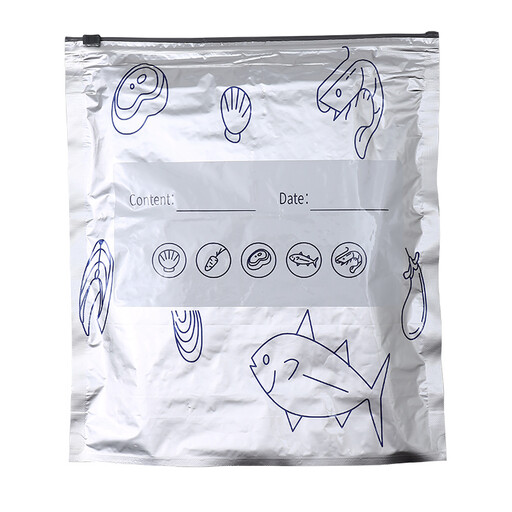
Why we chose it: For anyone who wants a reusable freezer bag that truly lives up to its promise: ultra-durable, easy to wash, and perfect for long-term food storage.
It avoids the "fake reusable" trap thanks to its thick, washable composite material (PET/AL/PE), which doesn't retain odours and won't get punctured by the first slightly sharp object.
Its slider seal is both robust and easy to use. The aluminium layer, meanwhile, blocks light—an excellent way to slow down oxidation and preserve freshness.
We have compiled a complete and up-to-date selection of products that meet our quality criteria and European safety standards.
Yes, but only if you choose a model specifically designed for it. A reusable freezer bag worthy of the name is made of a thick, non-porous material (PET/PE composites, silicone, etc.). It must be hand-washed with warm, soapy water and then thoroughly air-dried. We strongly advise against reusing single-use bags: their thin plastic degrades and can become a breeding ground for bacteria.
This phenomenon is caused by the food dehydrating when it comes into contact with air. The secret to avoiding it? Squeeze out as much air as possible from the bag before sealing it. Press the bag from the bottom up to expel the air, then seal it. A storage bag with a double zip or slider seal will be your best ally.
A word of caution! The vast majority of standard plastic bags are not made for the microwave: they risk melting and releasing harmful substances. The golden rule: always read the manufacturer's instructions. If it is not clearly marked as "microwave-safe," always transfer the food to a suitable dish before reheating. And of course, bags containing aluminium, like the Maxcook model, should be strictly kept out of the microwave.