
Livraison le jour même ou le lendemain

Qualité garantie

Débloquez vos offres de bienvenue: Livraison GRATUITE | Jusqu'à -80 % | 30 jours d'essai gratuits à JoyPlus
Téléchargez l'application
By the Joybuy Staff, July 19, 2026
Is your child or teen begging you for a freestyle scooter, leaving you feeling a bit lost in the dizzying array of available models?? Rest assured, you're not alone. Unlike commuter scooters, freestyle models—also known as stunt scooters—are purpose-built to withstand the impacts of tricks and jumps at the skatepark. Durability, size, technical components... it's a lot to take in, and the criteria can quickly make your head spin.
But don't worry, this guide is here to help. We'll break down the essential points to check before you make a purchase and present our selection of the best models on the market right now. Whether your child is a curious beginner or an already seasoned young rider, you'll find everything you need to make the right choice.
Before diving into specific models, it's crucial to understand what makes a good freestyle scooter. Here are three key points to keep in mind to guide your decision.
A freestyle scooter is subjected to serious abuse. Its durability depends on the quality of its three main components?:
The scooter's size must be perfectly suited to the user. A model that is too large or too small will be difficult to handle and potentially dangerous. The main guideline is the handlebar height?: it should come up to around the rider's waist or hip level.
The needs of a young rider just discovering the sport are different from those of a rider who is already landing tricks.
To help you see more clearly, we've reviewed a few models that stand out for their technical specs and excellent value.

What sets it apart
The VOKUL K1 Pro scooter is a high-performance model for young riders who already have a solid foundation. It combines a steel and aluminium frame with a sturdy T-6061 aluminium deck. Its 110mm alloy core wheels, paired with ABEC-9 bearings, ensure a fast, smooth glide that's perfect for picking up speed at the skatepark. Its vibrant, polished design also makes it a popular choice for its looks.
Highlights?:
Who is it for?? This model is particularly suited for intermediate to advanced riders, aged 8 to 12, who are looking for a responsive and fast scooter to perfect their tricks.
What sets it apart
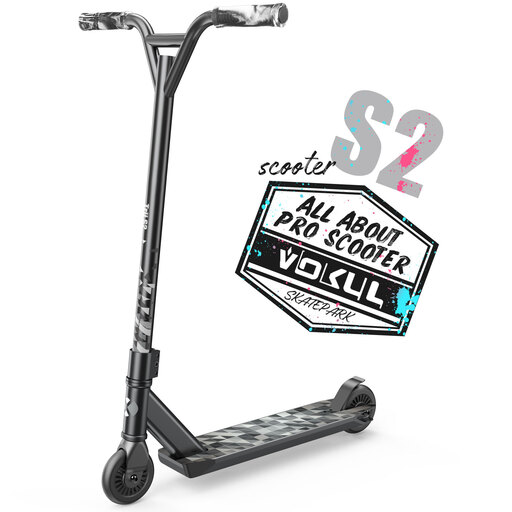
The VOKUL S2 is the ideal beginner freestyle scooter. Its design emphasizes stability and safety. Its deck is made from reinforced, aircraft-grade 6061 aluminium, while its batwing-style handlebars are crafted from 4130 chromoly steel, a material renowned for its incredible durability. The triple-bolt clamp system ensures an ultra-secure connection between the handlebars and the fork—a reassuring feature for both parents and the learning child.
Highlights?:
Who is it for?? This is the perfect option for kids (ages 6-7 and up) and pre-teens who are just getting started with freestyle. It offers the durability needed to learn with confidence.
What sets it apart
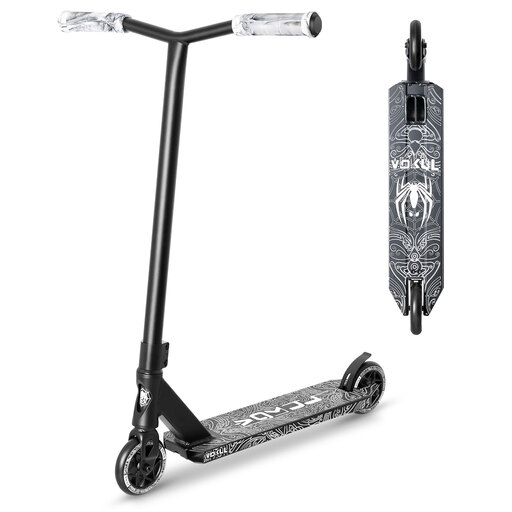
This version of the VOKUL K1 Pro shares many qualities with the Neo model but features a more understated design. It focuses on versatility, appealing to a wide audience from teens to adults. Its lightweight aluminium frame makes it highly manoeuvrable. Its 110mm high-rebound polyurethane (88A) wheels and ABEC-9 bearings guarantee a fast, enjoyable ride. It's a scooter that can grow with a rider as they progress.
Highlights?:
Who is it for?? It's suitable for intermediate riders, teens, or even adults looking for a high-performance, lightweight scooter for regular use at the skatepark or for street riding.
Although freestyle scooters are generally unisex models, preferences for design and colour can of course vary. If you're looking for other gift ideas or gear, take a look at our selection of items for girls.
The difference is fundamental. A freestyle scooter is neither foldable nor height-adjustable, which eliminates all potential weak points. It's built with much stronger materials (reinforced aluminium, steel) to withstand the repeated impacts from jumps and tricks—something a classic scooter could never handle.
There's no strict age, but generally, kids can get started around 6 to 8 years old, provided they already have good balance and coordination. It is crucial to choose a kids' freestyle scooter that fits their size and, most importantly, to ensure they always wear protective gear (helmet, knee pads, elbow pads).
Maintenance is simple but essential. You should regularly check that all bolts are tight, especially those on the clamp and wheel axles. Clean the scooter with a damp cloth, but avoid high-pressure water jets, which could damage the bearings. Finally, remember to inspect the parts regularly for any signs of wear and tear.