People moving into a kitchen without fitted units
A freestanding model means you don’t need to provide a matching cabinet door. If you plan to put it under a worktop, check the dimensions and whether the top can be removed on your chosen model.


If your kitchen doesn’t have a dedicated cabinet front, a freestanding dishwasher lets you choose where to put it without needing a matching door. According to the UFC-Que Choisir guide, 60 cm models generally hold 12 to 17 place settings, compared with 9 to 10 for 45 cm models; a compact dishwasher is suited to smaller loads. Before you buy, measure the whole space, check the connections and, if you plan to install it under a worktop, make sure the top of your chosen model can be removed.
A freestanding model means you don’t need to provide a matching cabinet door. If you plan to put it under a worktop, check the dimensions and whether the top can be removed on your chosen model.
The available width may lead you to choose a 45 cm model. The UFC-Que Choisir guide gives its capacity as typically 9 to 10 place settings; with a compact model, you’ll need to be happy with a smaller capacity.
If there’s enough room and the connections are suitable, a 60 cm freestanding model can handle larger loads. UFC-Que Choisir gives this size a typical capacity of 12 to 17 place settings.
Start by measuring the space and estimating how much washing-up you have; then compare the information on the energy label for models with a suitable capacity.
| What to consider | What to check | What you need |
|---|---|---|
| Space and installation | Compare the model’s height, width and depth with the available space, and don’t forget the route in for delivery. Check the connections; if installing under a worktop, also look for “under-counter” and “removable top” details for the specific model. | I want to be able to install the appliance in my kitchen without assuming that the top of a freestanding model can be removed or that the connections are already suitable. |
| Width and capacity | UFC-Que Choisir gives a typical capacity of 12 to 17 place settings for 60 cm freestanding models and 9 to 10 for 45 cm models. Check the exact capacity of a compact model and its full dimensions. | If space is tight, I could consider a 45 cm model; if I have very little washing-up each day, a compact one may be enough. For larger loads, I’d rather check that a 60 cm model will genuinely fit in the space. |
| Energy, water and programme duration | According to ADEME and the European Commission, the label includes details such as energy use in kWh per 100 cycles, water use per reference cycle and the duration of the Eco programme. Compare these figures across appliances with a suitable capacity, rather than looking only at the energy rating letter. | I want to know the reference consumption figures and how long the programme I’ll use takes, rather than choosing based on a single rating. |
| Noise | Check the noise level and noise class on the EU energy label, and consider how close the kitchen is to your living areas. | In an open-plan kitchen, I want to be able to compare the stated noise levels of the models I’m considering. |
| Care and parts | Check the model’s documentation for care instructions and find out about the parts needed for any potential repairs. | If I plan to keep the appliance for a long time, I want to know how to look after it and what repair options are available for this model. |
A freestanding appliance doesn’t need a cabinet front, but that doesn’t mean its top can be removed.
If you’re installing it under a worktop, look for “under-counter” and “removable top” details in the listing and the manual for the exact model.
The height, depth, delivery route and connections can also prevent you from installing the appliance where you planned.
Measure all three dimensions of the space and the model, check the water supply and waste outlet, then confirm what the installation service includes.
Its smaller capacity may mean you need to run it more often if washing-up builds up. For example, Candy states that its CP 6E51LS countertop model holds 6 place settings.
Think about how much washing-up you have each day and check whether a 45 cm freestanding model will fit in your kitchen before choosing a compact one.
The EU energy label also shows water use, energy use per 100 cycles, Eco programme duration, capacity and noise level. These figures help you compare different aspects of performance.
Compare the full label across models with a suitable capacity, paying particular attention to noise if your kitchen opens onto a living area.
These examples highlight features of specific models; always check the listing for the model you’re considering.
The range includes freestanding dishwashers, including models designed for under-worktop installation.
Bosch offers freestanding ranges in 45 cm and 60 cm widths.
Candy offers, among other options, a 45 cm freestanding model and a compact countertop model – two sizes to consider for different spaces.
This selection includes freestanding dishwashers listed as 60 cm wide, as well as a compact countertop model. Check each model’s dimensions and installation requirements against your kitchen.
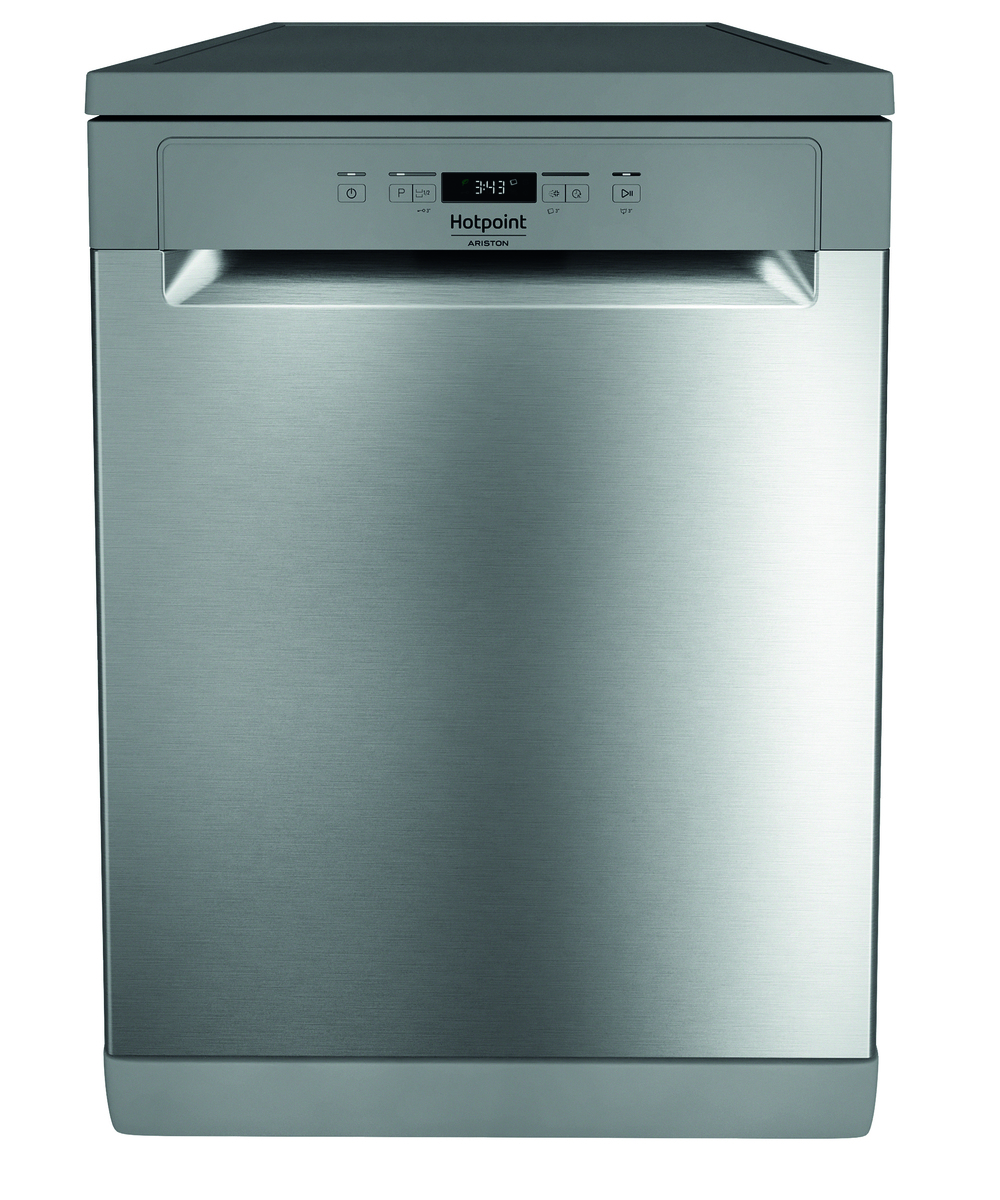 Image unavailable
Worth considering if you have space for a 60 cm freestanding dishwasher and need 14 place settings. Energy rating D; the top is listed as non-removable. If you’re planning to install it under a worktop, check the manual to make sure this is possible without removing the top, and confirm the dimensions and connections.
 Image unavailable
This grey model has an energy rating of E and holds 14 place settings, with no dedicated cabinet front needed. Its top is listed as removable; if you’re installing it under a worktop, still check the height, clearances and connection instructions in the manual.
 Image unavailable
This white model has an energy rating of C and a stated noise level of 41 dB. Its top is listed as removable, but if you’re installing it under a worktop, also check the manual for the usable height, clearances and connections.
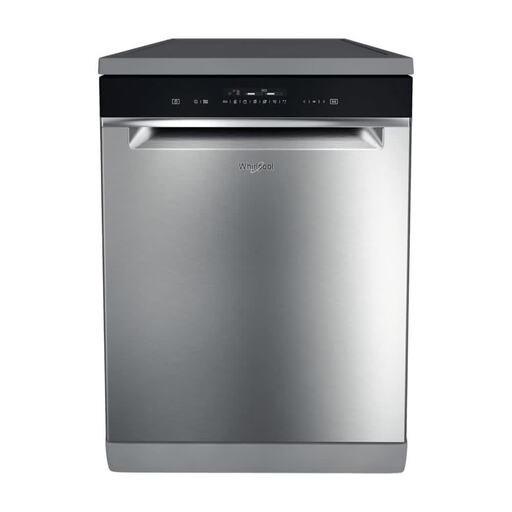 Image unavailable
The title lists this as a 60 cm model with an energy rating of C, but the dimensions given for the model also state a width of 67.5 cm. Confirm its actual width before setting aside a space for it; if you’re installing it under a worktop, also check the full dimensions and whether the top can be removed.
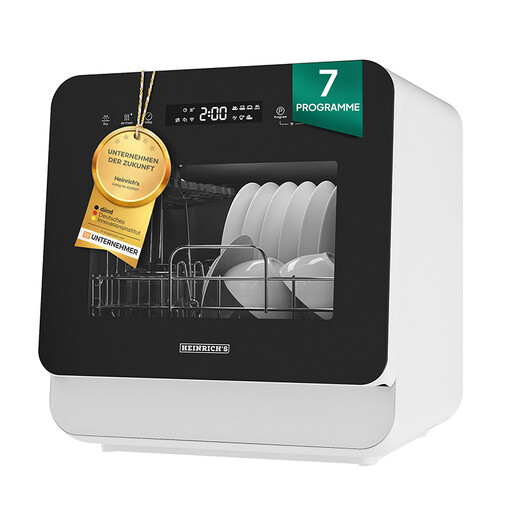 Image unavailable
With space for 3 place settings, this model is suited to very small loads rather than a household that needs a full-size freestanding dishwasher. Before deciding where to put it, check its dimensions in the manual, along with the water supply, drainage and installation requirements.
Yes, if the model is designed for this type of installation and its dimensions fit the available space. Check the listing and manual for “under-counter” and “removable top” details: being classed as freestanding doesn’t guarantee that the top can be removed.
Measure the available height, width and depth, as well as the route in for delivery, then compare these with the model’s full dimensions. A width of 45 cm doesn’t mean the model will be shallow: Bosch gives the SPS4EMI11E dimensions of 845 × 450 × 600 mm.
For a dishwasher with a capacity that suits your household, check the energy rating, kWh per 100 cycles, water use per reference cycle, Eco programme duration and noise level. ADEME and the European Commission explain this information on the dishwasher energy label.
Don’t assume it does: check what’s included before ordering. Electrolux states that its installers connect appliances to compliant existing installations, but don’t carry out any plumbing, electrical or carpentry work that may be needed.