Homes without a dedicated dishwasher space
If you have a clear space and suitable connections, but no cabinet to fit a door to, a freestanding appliance already has its own front and outer panels, as explained by Que Choisir.


In a kitchen without a housing unit, choose a freestanding dishwasher to suit the space available and the amount of washing-up you do. A 60 cm model handles larger loads, a 45 cm model takes up less width, and a mini model is best suited to smaller loads. Its finished exterior means you don’t need to add a cabinet door, but check the connections and door clearance. If you plan to fit it under a worktop, make sure the model is suitable for having its top removed.
If you have a clear space and suitable connections, but no cabinet to fit a door to, a freestanding appliance already has its own front and outer panels, as explained by Que Choisir.
A freestanding appliance gives you the option of changing your kitchen layout without needing to choose a matching cabinet door. If installation involves altering the rented property or its fittings, ANIL advises that you’ll need the landlord’s written permission.
A 45 cm-wide model or a mini dishwasher on the worktop may be a better fit when space is tight. However, its capacity should suit the amount of washing-up you usually have: Beko lists a 45 cm model with space for 10 place settings, while Que Choisir describes mini models with 2 or 3 place settings.
Start by measuring the space and working out how much washing-up you have. Then compare the figures on the energy label and check separately for any requirements for fitting the appliance under a worktop or installing it in a rented property.
| Factor | What to check | Who it matters to |
|---|---|---|
| Positioning without a housing unit | Measure the space, access route and clearance needed to open the door; check that the existing connections are suitable. | Without a cabinet to fit a door to, I want to be able to position an appliance with its own finished front. Around 36% of consumers would prioritise this freedom of placement. |
| Size and capacity | Compare the dimensions and place settings with the amount of washing-up you usually have; a smaller model may need to run more often. | In a narrow kitchen, I want enough capacity without taking up too much space. The right size would be the priority for around 29% of consumers. |
| Noise and energy and water use | Check the model’s energy label for kWh per 100 cycles, water use per cycle, Eco programme duration and noise emissions. | If the kitchen opens onto the living area, I want to consider noise as well as water and electricity use. Around 21% of consumers would put running costs and quiet operation first. |
| Fitting under a worktop or installing in a rented property | Check the height and the manufacturer’s instructions on removing the top; find out whether the planned work needs the landlord’s written permission. | I want the appliance to fit under an existing worktop or to avoid altering the rented property. This would be the priority for around 14% of consumers. |
A freestanding appliance’s finished exterior doesn’t guarantee that it will be the right height or have a removable top.
Measure the available height and check the product listing and manual for your chosen model to see whether the top can be removed and the appliance fitted under a worktop.
Que Choisir describes mini dishwashers with 2 or 3 place settings. Their capacity won’t handle the same amount of washing-up as a larger appliance.
Think about how much washing-up you have each day before opting for a smaller capacity and potentially having to run more frequent cycles.
According to the European Commission, a dishwasher’s energy label also shows energy use per 100 cycles, water use per cycle, Eco programme duration, capacity and noise emissions.
Compare these figures across specific models with a capacity that suits your needs.
A freestanding appliance still needs suitable connections. For rented properties, ANIL distinguishes between changes to the property or its fittings, which require the landlord’s written permission.
Before delivery, check the water supply, waste outlet, electricity supply and access to the connections. If changes are needed, check the terms of your tenancy and get any required permission before work begins.
Bosch’s freestanding range is worth exploring if you’re considering a 60 cm model or looking for one that can be fitted under a worktop.
Beko’s 45 cm freestanding range is worth considering if you have limited width available.
Whirlpool’s 60 cm freestanding models are worth comparing if you regularly have larger loads of washing-up.
Electrolux describes some of its freestanding models as suitable for fitting under a worktop.
Daan Tech’s Bob mini dishwasher is for anyone who needs to prioritise space over capacity.
These two 60 cm freestanding dishwashers offer plenty of capacity for a kitchen without a dedicated housing unit. If you plan to fit one under a worktop, check the height with the top removed and the clearance required against the instructions in the relevant manual.
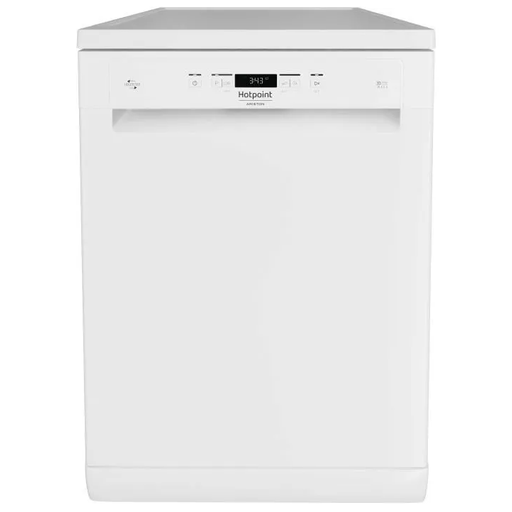 Image unavailable
Worth considering if you have enough width and regularly wash larger loads.
The model name indicates 14 place settings, 41 dB and an energy rating of C. If you plan to fit it under a worktop, check the final height and instructions for removing the top in the manual. Also compare its energy use per 100 cycles and Eco programme duration on the energy label.
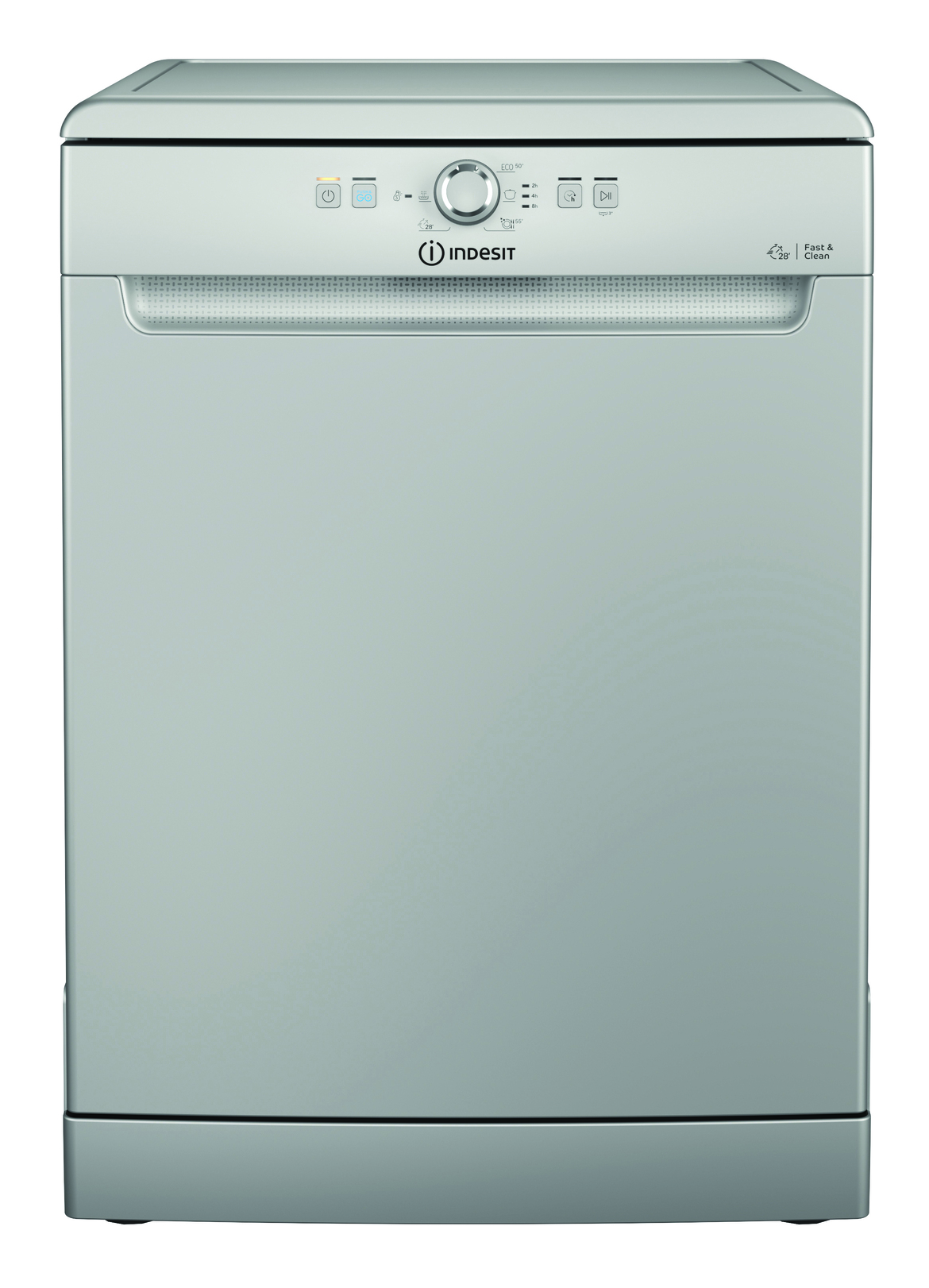 Image unavailable
Worth considering if your space can accommodate a 60 cm appliance and capacity matters more to you than a slimline design.
The model name indicates 14 place settings and an energy rating of E. Before fitting it under a worktop, check its height with the top removed and the installation instructions. Check the energy label for energy use per 100 cycles and the Eco programme duration.
No. According to Que Choisir, a freestanding dishwasher already has finished panels on the front, top and sides. It still needs a suitable space and the right connections.
No. Check that the model is designed for this type of installation and that its final height will fit. Bosch says removing the top can save 2 to 3 cm on the models that allow it; the manual sets out the requirements to follow.
Compare energy use per 100 cycles and water use per cycle on the model’s energy label, and don’t forget the Eco programme duration. According to the European Commission, the label also shows capacity and noise emissions.
If installation involves altering the property or its fittings, ANIL advises that you need the landlord’s written permission. Check the existing connections and the terms of your tenancy before drilling or making any changes.
Follow the instructions for your model, and only connect it yourself if you can do so in accordance with the manual. Bosch recommends using a professional to connect its AquaStop system, particularly to reduce the risk of problems caused by incorrect installation.