
Livraison le jour même ou le lendemain

Qualité garantie

Débloquez vos offres de bienvenue: Livraison GRATUITE | Jusqu'à -80 % | 30 jours d'essai gratuits à JoyPlus
Téléchargez l'application
Creating a decorative frame for a card, photo album or wedding invitation might seem straightforward. Yet a poorly chosen die can quickly become unusable: incompatible dimensions, details too fine for the paper you're using, or uncertain compatibility with your cutting machine. This selection will help you compare frame cutting dies based on your projects, without relying solely on marketing images.
A die described as a "frame" might create a border, a central opening, or simply a decorative motif. Before ordering, check the outer and inner dimensions when they're listed. For a standard-sized card, a frame that's too large may overhang the base. Conversely, a smaller model will often be better suited to a photo album page.
Metal dies aren't automatically compatible with every cutting machine. Check the accepted format, the thickness of materials, and whether you need an additional plate or shim. If the information is incomplete, consult the manufacturer's specifications or your creative cutting machine's manual.
A cutting die is primarily designed to cut paper. To achieve a raised effect, you may need a dedicated embossing plate or a specific setup. Some models can be used for creative embossing, but the result depends on the paper, pressure and accessories you use. It's best to clearly distinguish the cutting function from the embossing function.
Start by choosing a shape that suits your projects:
A paper cutting stencil with very fine, closely spaced details requires greater precision and a sufficiently sturdy paper. With thin paper, simpler motifs reduce the risk of tearing.
A metal scrapbooking die needs to be rigid enough to hold its shape as it passes through the machine. The product listing should ideally specify the material, the number of pieces and the structure of the design. Also examine any narrow areas: they can trap cut-outs and may require a pick tool or fine-point implement.
Lifespan also depends on usage. Alternating paper types, avoiding materials not intended for the die, and storing the pieces flat all help preserve their edges. Never force a plate if you encounter unusual resistance.
For DIY card-making, measure the card once folded, then allow a margin around the frame. For a photo album, compare the die's opening with the printed area of the photo. For a wedding invitation, a more intricate design can look beautiful, but factor in the time needed to remove the small paper pieces.
If you regularly produce batches, choose a set offering several sizes or shapes that are easy to replicate. For a one-off project, a single die may suffice and help you avoid unnecessary purchases.
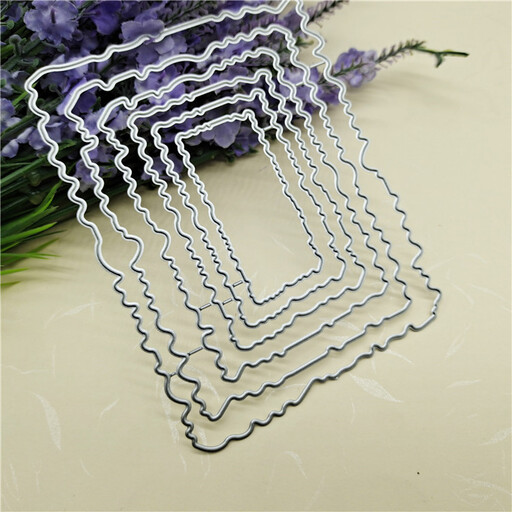
Why this choice suits this profile: its rectangular shape fits easily into cards, album pages and starter projects, without imposing an overly distinctive style.
The advertised design clearly matches a rectangular frame. Still, check the dimensions before purchase to avoid an ill-fitting opening.
A metal die designed for paper, thin card and scrapbooking or card-making projects.
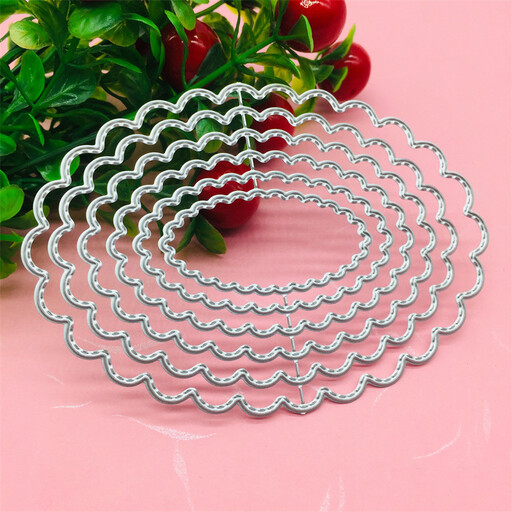
Why this choice suits this profile: the nesting frames and scalloped border offer multiple levels of finish for polished cards and elegant invitations.
Having several outlines makes it easier to adjust the look, rather than relying on a single frame size.
A nesting format with a lace-effect border, suitable for decorative card-making and embossing, depending on the machine used.

Why this choice suits this profile: a set of six sizes is ideal for those who switch between albums, cards, labels and batch compositions.
The different sizes mean you don't have to buy several separate dies to match the frame to your base.
Six pieces, irregular rectangular shapes and a stitched border for varied decorative cuts.
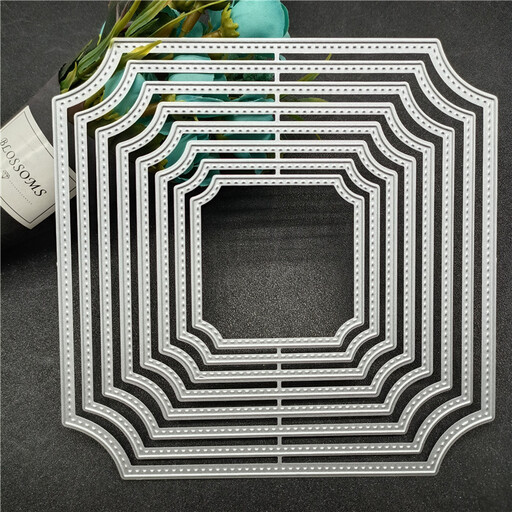
Why this choice suits this profile: the irregular and floral shapes will complement wedding cards, themed albums and seasonal decorations with ease.
The set brings together several designs, saving you from buying separate models when your project calls for different shapes.
A set of eight metal dies with shapes suited to decorative cards, paper and albums.
We've compiled a comprehensive, real-time updated list of products that fully meet these strict selection criteria and European safety regulations.
For a cleaner cut, choose paper with a weight that matches your machine's capabilities. Very thick card may require several passes, while paper that's too thin may crumple around the details.
No. Compatibility depends on the machine's format, the die's thickness and the plates you use. Always consult your device's manual before purchasing.
There's no universal lifespan. It depends on the number of cuts, the type of paper, the pressure applied and storage conditions. Regular use with suitable materials helps prevent premature wear.
Some models can be used to create a raised effect, but this requires an appropriate setup and compatible accessories. Check the product listing and test on a scrap piece before working on a card or invitation.