
Livraison le jour même ou le lendemain

Qualité garantie

Débloquez vos offres de bienvenue: Livraison GRATUITE | Jusqu'à -80 % | 30 jours d'essai gratuits à JoyPlus
Téléchargez l'application
Choosing a fountain pen is a deeply personal decision. Whether it's to rediscover the joy of handwriting, give a refined pen gift, or equip a student, the intention is always admirable. The problem? The market is flooded with models making various promises, and it's easy to fall into the classic traps that turn a joyful purchase into a real disappointment. As a Product Recommendation Manager at Joybuy, my role is to help you make an informed decision.
Before you fall for an elegant design or a tempting promotion, let's review the three most common mistakes when buying a fountain pen.
To avoid these pitfalls, simply focus on a few key criteria that will make all the difference.
The nib is the core of the experience. It's what defines the entire writing feel. Two aspects should be considered?:
The body material (resin, metal, wood, etc.) influences the pen's weight and balance. A metal model will offer a more substantial feel, while a resin pen will be lighter. The key is to find the balance point that suits you. For children or long writing sessions, an ergonomic fountain pen with a textured or pre-shaped grip section is a major asset for ensuring correct posture and preventing fatigue.
To help you see how these criteria translate in practice, here are a few models that suit distinct user profiles.
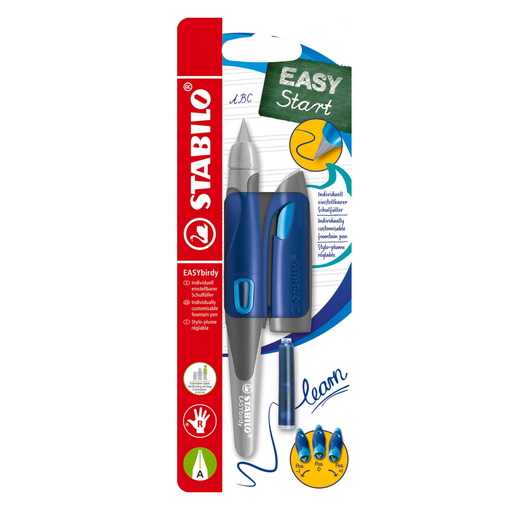
Why it's a great fit : Specially designed for children learning to write, this pen guides finger placement with its non-slip grip section. It's as much an educational tool as it is a writing instrument.
It overcomes the poor ergonomics trap. Its nib can be adjusted to three different angles to perfectly match the child's hand position, preventing the frustration of a scratchy nib.
Its adjustable nib and guided grip section make it the ideal partner for learning to write without strain. Bonus: the included blue ink is erasable.
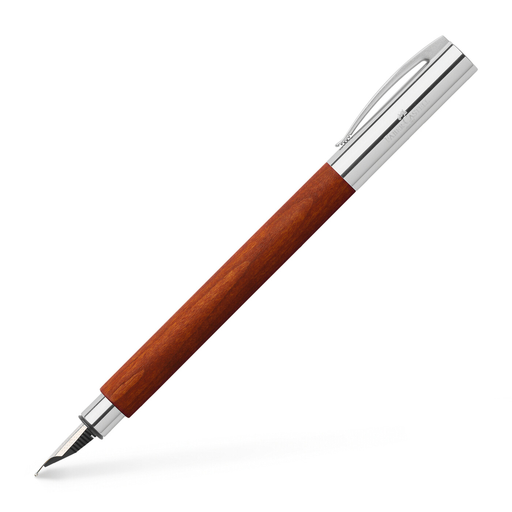
Why it's a great fit : This is the pen for the professional seeking a writing instrument that is both high-performing and a statement piece. The combination of pearwood and polished chrome-plated metal makes it a refined and distinguished object, perfect for signing contracts or taking notes in meetings.
It avoids the "style over substance" trap. Its elegant design is backed by a high-quality stainless steel nib from Faber-Castell, renowned for its reliability and flawless glide. It is compatible with both standard cartridges and converters.
The pearwood barrel offers a warm grip and a unique character, as each piece has a different grain. It's a beautiful object that will develop a patina over time.
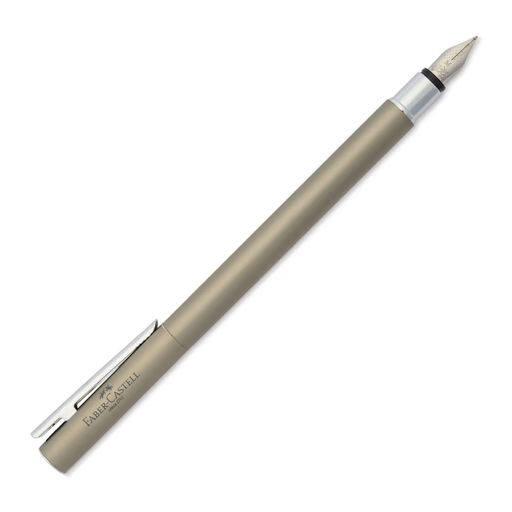
Why it's a great fit : Its slim, clean design in matte stainless steel is perfect for those who want a discreet, durable, and easy-to-carry writing instrument. Its light weight makes it ideal for slipping into a planner or jacket pocket.
It avoids the trap of bulky, impractical pens. Its ultra-slim profile doesn't sacrifice comfort or balance, ensuring a pleasant writing experience even over long periods, without tiring the hand.
Its fine (F) nib offers great precision for crisp, detailed writing. Its all-stainless-steel construction gives it a durability that is highly valued for daily use and travel.
Explore our complete selection of pens that meet all our criteria for quality and performance.
Regular maintenance is key to ensuring your pen's longevity. It's very simple: remember to rinse it with clean water (never soap!) every two or three months, or whenever you change ink colours. To do this, disassemble the pen and run water through the nib and its feed until it runs perfectly clear. Most importantly, always cap your pen after use to prevent ink from drying in the nib.
Yes, absolutely! Many left-handers love writing with a fountain pen. The secret to avoiding smudging is to choose a quick-drying ink and a fine (F) or extra-fine (EF) nib, which lays down less ink on the paper. Some models, like the STABILO EASYbirdy, even offer a version specifically designed for left-handers.
No need to break the bank! An excellent beginner fountain pen, one that's reliable and pleasant to use, can generally be found for between €20 and €50?. For a more sophisticated model, a beautiful gift pen, or a daily workhorse with more premium materials (wood, metal, etc.), the budget can range from €50 to over €150?.