Households looking for wholemeal flour
If this is your top priority, check the name and ingredients of the specific fougasse. The olive fougasses described by Auchan and PAUL aren’t labelled as wholemeal just because of their toppings.


For Candlemas, a ready-to-serve fougasse is a good choice if you want to keep sharing simple and its ingredients suit your guests. If you want to use wholemeal flour, making it at home lets you choose flour that is clearly labelled as wholemeal, but you’ll need to allow time for preparation, proving and baking. An olive topping or rustic appearance doesn’t mean a fougasse is made with wholemeal flour.
If this is your top priority, check the name and ingredients of the specific fougasse. The olive fougasses described by Auchan and PAUL aren’t labelled as wholemeal just because of their toppings.
For a Candlemas aperitif or meal, the size of the loaf and its storage or reheating instructions can help you plan when and how to serve it. These details vary by product.
If anyone needs to avoid certain ingredients, check the details for the exact variety, including its topping. The DGCCRF reminds shoppers that allergens must be highlighted in the ingredients list of prepacked foods.
First, decide between a ready-to-share fougasse and making one at home, based on how much time you have and how important wholemeal flour is to you.
Choose this if: you want to get the meal ready quickly and can find a variety with ingredients that suit your guests.
Bear in mind: its appearance or topping doesn’t prove that it contains wholemeal flour.
Choose this if: you want to select a flour that’s explicitly labelled as wholemeal.
Bear in mind: you’ll need time to prepare, prove and bake the dough. Check that the recipe works with your chosen flour.
| What to consider | What to check | Who it matters to |
|---|---|---|
| Flour and fibre | Look for wholemeal flour in the ingredients; compare the fibre per 100 g separately when this information is available. | If wholemeal flour is my priority for Candlemas, I want to see it in the ingredients rather than judge by how the bread looks. Around 42% of consumers put this check first. |
| Size and serving | Check the weight and the storage or reheating instructions for the specific product. | When I need to get a meal ready without making dough, I look for a loaf that’s easy to share at the right time. Around 33% of consumers put ease of serving ahead of other considerations. |
| Topping ingredients | Read the ingredients and allergen information for the exact variety. For a non-prepacked product, ask the retailer for these details. | If any guests need to avoid certain ingredients, I need to know what’s in the recipe before serving the fougasse. Around 25% of consumers put this compatibility first. |
A topping and appearance don’t tell you what type of flour has been used. Auchan lists wheat flour for its olive fougasse, while PAUL lists T65 flour for its version.
Look for wholemeal flour explicitly listed in the ingredients. Fibre per 100 g is a separate piece of information and, on its own, doesn’t prove what type of flour has been used.
The name of a fougasse doesn’t tell you everything about its ingredients. Recipes with olives, cheese or bacon have different ingredients to consider.
Check the ingredients and allergen information for the exact product before serving it. For a non-prepacked fougasse, ask the retailer for details at the point of sale.
Carrefour Traiteur lists a 300 g bacon fougasse for three people, while the olive fougasse available from Auchan that we looked at weighs 400 g. Their preparation instructions aren’t interchangeable.
Check the weight of the product you buy and follow only its own storage and reheating instructions.
The retailer offers fougasses with a range of toppings. Carrefour Traiteur, for example, describes a bacon version.
The retailer offers a 400 g olive fougasse, with ingredients and nutritional information per 100 g.
The bakery lists its olive and cheese fougasses separately, and their ingredients differ.
These flours are for making wholemeal fougasse at home for Candlemas. They aren’t ready-to-share fougasses, so choose a recipe that suits the flour you use.
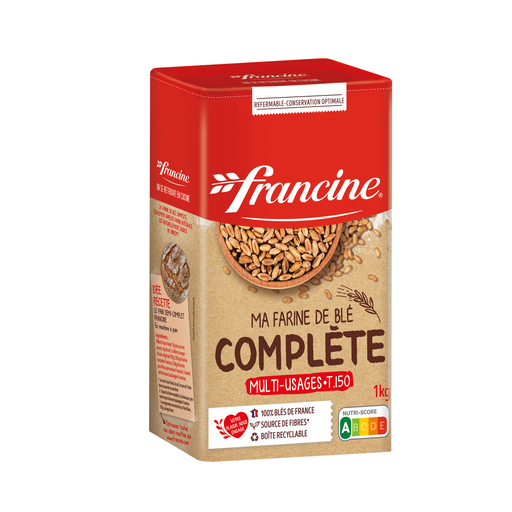 Image unavailable
Make your own fougasse with this flour if choosing a wholemeal variety is your priority. This T150 wheat flour comes in a 1 kg pack. The wholemeal fougasse recipe mentioned by Les petits plats de Patchouka uses a different type of flour. Check whether the dough will work with this flour before following the recipe, and compare fibre per 100 g if this is an important factor in your choice.
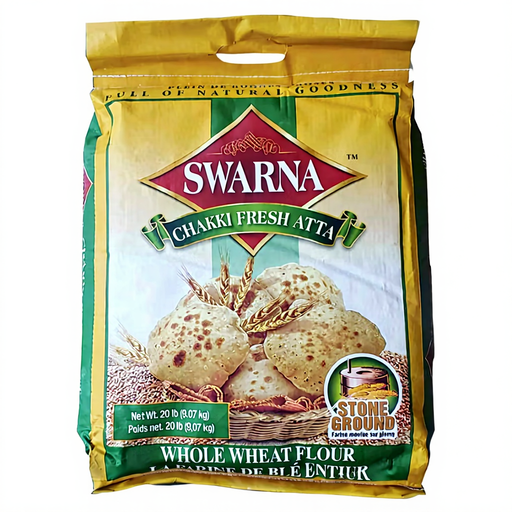 Image unavailable
For home baking if a 5 kg pack suits your needs. The Wholewheat Chakki Atta name identifies the flour, but it doesn’t guarantee that a fougasse recipe designed for a different flour will work without adjustments. Check the recipe you’re planning to use, and compare fibre per 100 g if you want to weigh up different flours.
No. The product listings for Auchan and PAUL’s olive fougasses respectively mention wheat flour and T65 flour, without describing either recipe as wholemeal. Check the name and ingredients of the specific fougasse.
Compare the values listed per 100 g for each product, including fibre, salt, sugars and fat, then consider how much you plan to serve. The DGCCRF states that nutritional information for the relevant foods is given per 100 g.
For a prepacked fougasse, read the ingredients for the variety you’ve chosen. The DGCCRF says that allergens must be highlighted in the list. For a non-prepacked fougasse, ask the retailer for information about the exact recipe.
No. Follow the instructions for the product you’ve bought. Carrefour Traiteur gives reheating instructions for its bacon fougasse, while Auchan’s storage information applies to a different product, its olive fougasse. Don’t apply these instructions to a homemade fougasse or one with a different topping.