Hosts who care about the choice of flour
You want to serve a wholemeal bread to share with drinks. The ingredients list will help you distinguish this from a fougasse that is simply topped or sprinkled with seeds.


If you want to serve a wholemeal fougasse, check the ingredients of a ready-to-share option or choose the flour yourself when making one at home. A topped fougasse is a better choice when quick serving is your priority; its name and topping alone don’t tell you what type of flour it contains.
You want to serve a wholemeal bread to share with drinks. The ingredients list will help you distinguish this from a fougasse that is simply topped or sprinkled with seeds.
You’re looking for a ready-to-share fougasse for drinks. The topping, ingredients and allergens in the product you choose matter just as much as how easy it is to serve.
You’d rather choose the flour and toppings yourself, and set aside enough time to prepare and bake it.
For your homemade get-together, first decide what matters most to you: the dough ingredients, quick serving or having control over the recipe.
| What matters | What to check | Who is it for? |
|---|---|---|
| Wholemeal flour and fibre | Look for wholemeal flour in the ingredients list, then compare the fibre per 100 g if nutritional information is available. | If I want a fougasse made with wholemeal flour, a rustic appearance isn’t enough to help me choose. Around 42% of consumers put this first. |
| Serving and toppings | Check the ingredients and allergens in the fougasse you choose, as well as the salt per 100 g if this information is provided. | When guests are about to arrive, I’d rather have a fougasse that’s ready to share, but its topping needs to suit them too. Around 33% of consumers prioritise quick serving. |
| Making it at home | Choose the flour and toppings, then allow time for the preparation and baking steps in your chosen recipe. | I’m happy to spend time in the kitchen if it means I can decide exactly what goes into the dough. Around 25% of consumers put having control over the recipe first. |
Olives, seeds or a rustic appearance don’t tell you what flour has been used. For example, the ingredients list for PAUL’s olive fougasse specifies T65 flour.
If you’re choosing it for the wholemeal flour, look for that in the ingredients of the specific product and compare the fibre per 100 g if this information is available.
A cheese, olive or charcuterie topping means there are other ingredients to check. PAUL’s cheese fougasse product information lists 1,47 g of salt per 100 g; this figure doesn’t apply to other fougasses.
Check the nutritional information and allergens for the fougasse you plan to serve, especially if a guest needs to avoid an ingredient.
A fougasse made from scratch takes work before it’s ready to serve. Lidl’s fougasse recipe, for example, includes shaping and baking for 25 minutes after preheating.
Choose your recipe and check the steps before deciding what time to serve drinks.
Carrefour’s ‘fougasse’ search shows products you can buy ready-made.
Auchan groups fougasses with other breads for drinks in its ‘Fougasse, focaccia, pinsa’ section.
PAUL publishes the ingredients for some of its fougasses, including the olive and cheese varieties.
These wholemeal wheat flours are options for making the dough yourself. They aren’t ready-to-serve fougasses, so choose a suitable recipe and check the quantities before you begin.
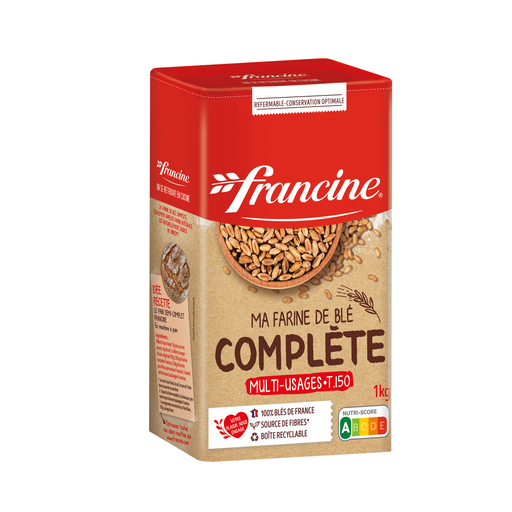 Image unavailable
Worth considering if you’re making fougasse at home and want to choose a wholemeal wheat flour. The pack contains 1 kg of T150 flour; check your recipe for guidance on using it in the dough.
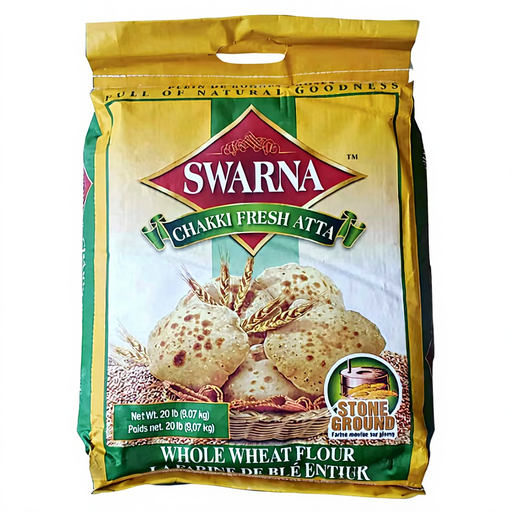 Image unavailable
This large pack of wholemeal wheat flour may suit a household planning to do several batches of home baking. The bag contains 10 kg of flour. For fougasse, follow the quantities in a suitable recipe rather than assuming the result from the type of flour alone.
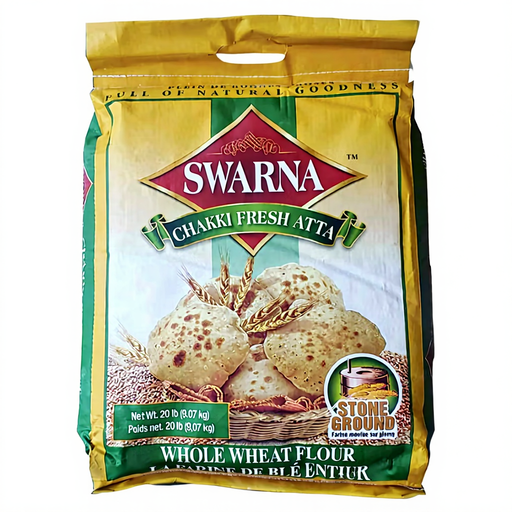 Image unavailable
This 5 kg pack of wholemeal wheat flour is another option for making dough at home. If you’d like to use it for fougasse, follow a suitable recipe for the quantities and method.
Check the flour listed in the ingredients: the name of the topping or the appearance of the bread isn’t enough. If nutritional information is available, compare the fibre on a like-for-like basis, per 100 g.
No: ‘with olives’ describes the topping, not the type of flour. PAUL’s olive fougasse, for example, lists T65 flour in its ingredients; always check the ingredients for the specific product you choose.
Check the ingredients list and allergens for the specific fougasse you’ll be serving. For prepacked foods, the French Directorate-General for Competition Policy, Consumer Affairs and Fraud Control says that allergenic ingredients must be highlighted in the list.