If you want to adjust the proportion of wholemeal flour for a child who is reluctant to try it, making fougasse yourself gives you more control than buying one with a filling already chosen. A ready-to-eat fougasse saves you the preparation, but check the flour, filling and allergens: its name alone doesn’t tell you whether it contains wholemeal flour.
Who are these options for?
Parents of children who are reluctant to try wholemeal flour
You’d like to try a dough that combines white and wholemeal flour, without starting with a fully wholemeal fougasse. Manger Bouger recommends choosing wholegrain or semi-wholegrain starchy foods, but doesn’t specify a flour ratio for this recipe.
Shoppers looking for a convenient snack
You’d rather have a ready-to-eat fougasse, but still want to quickly check which flour it contains, what the filling is and what nutritional information is available for the product you’re considering.
Families mindful of allergens and fillings
You need to check certain ingredients before buying. An olive fougasse and one filled with cheese or bacon lardons don’t have the same ingredients, so check the details for the exact product.
What should you look for in an afternoon snack?
When choosing between making fougasse at home and buying it ready to eat, start with what matters most to you: choosing the dough, saving time or checking the filling.
| What to consider |
What to check |
Who is this for? |
| Whether children will accept the flour |
When making it at home, you can choose which flours to combine. For a ready-to-eat product, look for an explicit mention of wholemeal or semi-wholemeal flour in the ingredients. |
If my child is unsure about less refined dough, I want to be able to change the ingredients rather than choose a fixed ratio. Around 46% of consumers make this transition a priority. |
| Convenience and ingredients |
Compare the ingredients and filling; check the nutritional values per 100 g if they’re listed on the product page. |
When the snack needs to be ready without any preparation, I need to know what the fougasse I’ve chosen contains. Around 36% of consumers prioritise convenience and clear ingredients. |
| Filling and allergens |
Check the ingredients and allergens for the exact product, especially if it contains cheese, cured meat or fish. |
If a filling isn’t right for my family, I need to spot that before choosing a fougasse. This is the main concern for around 18% of consumers. |
Pitfalls to avoid
-
Assuming an olive fougasse is semi-wholemeal
The product details for Auchan’s olive fougasse list wheat flour, but don’t mention wholemeal or semi-wholemeal flour.
If the flour mix is your deciding factor, look for an explicit mention in the ingredients or make the dough yourself using your chosen flours.
-
Relying on the filling’s name to identify allergens
Carrefour’s Provençal fougasse contains wheat, Emmental, butter and anchovies, among other ingredients. The word ‘Provençal’ doesn’t tell you what’s in it.
Check the ingredients and allergens for the exact product before buying.
-
Treating bacon lardon fougasse like plain bread
The filling matters when choosing an afternoon snack. For children under 11, Manger Bouger says cured meats should only be eaten occasionally, with the exception of cooked ham or poultry ham from time to time.
For a regular snack, check the ingredients of versions without cured meat first.
Fougasse brands to consider
Carrefour
Carrefour offers a 300 g Provençal fougasse and T150 wholemeal wheat flour for homemade baking.
- The ingredients for the Provençal fougasse let you check its filling before buying.
- This product contains bacon lardons, Emmental, butter and anchovies, among other ingredients. It isn’t a substitute for a vegetarian fougasse or dough made with the flour mix you’re looking for.
Auchan
Auchan offers a 400 g PAIN FRAIS olive fougasse.
- The product details list the ingredients and nutritional values, including 1.6 g of fibre and 1.1 g of salt per 100 g.
- The flour listed doesn’t mean this fougasse can be described as wholemeal or semi-wholemeal.
PAUL
PAUL’s online range includes olive and cheese fougasses.
- The product details for the cheese fougasse list 2.94 g of fibre and 1.47 g of salt per 100 g.
- These figures apply to the cheese fougasse, not other PAUL fougasses, so check the ingredients of the product you’re considering.
Flour for homemade fougasse on Joybuy
These two wholemeal flours can be used in homemade dough, so you can choose what goes into it. They’re not ready-to-eat fougasses or ready-made blends of white and wholemeal flour.
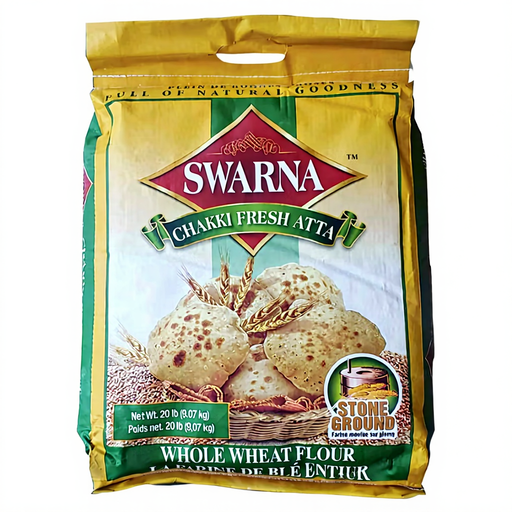 Image unavailable
Pillsbury Wholewheat Chakki Atta, 5 kg
Worth considering if you’re making the dough and want to add wholemeal flour. The bag contains 5 kg of flour. If you want to combine white and wholemeal flour, you’ll need to buy the white flour separately. Adjust the recipe to suit the dough you want and what your child is happy to eat, without assuming that a particular ratio will work for them.
View on Joybuy
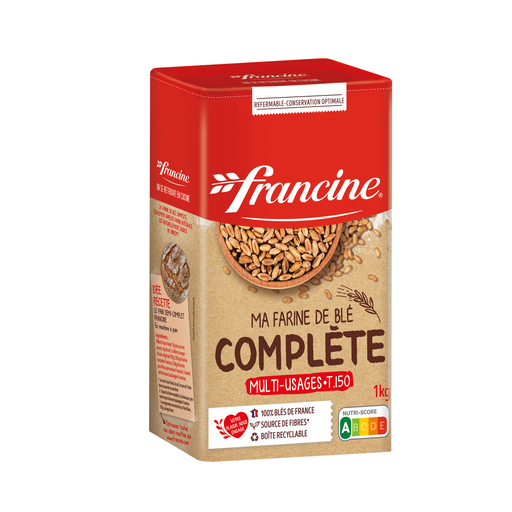 Image unavailable
FRANCINE T150 wholemeal wheat flour, 1 kg
Worth considering if you want to choose the amount of wholemeal flour in your homemade fougasse. This 1 kg pack contains T150 wholemeal wheat flour, not a ready-made blend, so buy white flour separately if your recipe calls for it. The type of flour alone can’t tell you whether your child will enjoy the fougasse.
View on Joybuy
Frequently asked questions
Is semi-wholemeal fougasse suitable for a child who is reluctant to try wholemeal food?
It may offer a different combination to try, but there’s no guarantee your child will like the taste or texture. Manger Bouger recommends choosing wholegrain or semi-wholegrain starchy foods. If you make fougasse at home, you can choose which flours to use, rather than assuming that a ready-to-eat version is semi-wholemeal.
What should you check on a fougasse label?
Start with the ingredients list to identify the flour and filling, then check the allergens and any nutritional information that matters to you. The DGCCRF states that allergenic ingredients must be highlighted on the labels of relevant food products.
Is bacon lardon fougasse comparable to plain fougasse as an afternoon snack?
Not in terms of its ingredients: bacon lardons add cured meat to the filling. For children under 11, Manger Bouger says cured meats should only be eaten occasionally, with the exception of cooked ham or poultry ham from time to time. Bear the filling in mind when making your choice.
How should you store bought fougasse?
Follow the storage instructions and use-by date shown for the product you’ve bought. Don’t apply the storage instructions for an olive fougasse to a fresh version or one with a different filling.


