What should you prioritise?
First decide whether the dough’s ingredients or ease of serving matters most for your meal. Either way, check that the topping suits everyone at the table.
Homemade fougasse
Choose this if: you want to measure out the white and wholemeal or semi-wholemeal flour separately.
Bear in mind: preparation and baking take time, and the texture will depend on the recipe you choose.
Ready-made fougasse to share
Choose this if: you want to spend less time preparing the pre-dinner spread on the day.
Bear in mind: the ingredients and topping are set by the product you choose. Check the ingredients if the flour blend matters to you.
| Consideration |
What to check |
Who is it for? |
| Flour blend |
Look for white and wholemeal or semi-wholemeal flour explicitly listed in the ingredients, or choose the flours separately for homemade dough. |
For some families, keeping the dough familiar for children while choosing which flours to use would be the top priority. Around 45% of consumers would put this first. |
| Ease of serving |
Check the size, storage instructions and whether the specific product needs reheating. |
When there’s already plenty to do to prepare the meal, being able to serve fougasse without making the dough becomes the main concern for around 33% of consumers. |
| Topping ingredients |
Read the ingredients and allergen information. To compare two products, check the nutritional values per 100 g. |
If guests need to avoid an ingredient or dislike certain toppings, choosing something that suits them takes priority over other considerations. This would be the main concern for around 22% of consumers. |
Flours for homemade fougasse on Joybuy
These two wholemeal flours are suitable for homemade dough when you want to choose the blend yourself. To make dough with both white and wholemeal flour, you’ll also need white flour. Check the fougasse recipe you plan to follow.
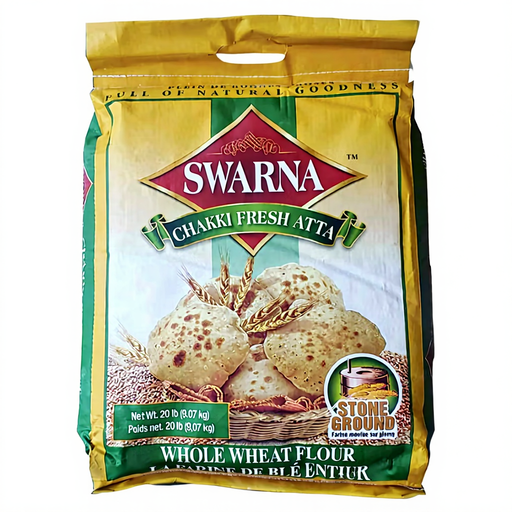 Image unavailable
Pillsbury Chakki Atta wholemeal wheat flour, 5 kg
For homemade baking when you want to choose how much wholemeal flour to use. The pack contains 5 kg of flour; you’ll need separate white flour to make the blend you’re looking for. Check that your fougasse recipe is suitable for this flour rather than assuming what the texture will be like.
View on Joybuy
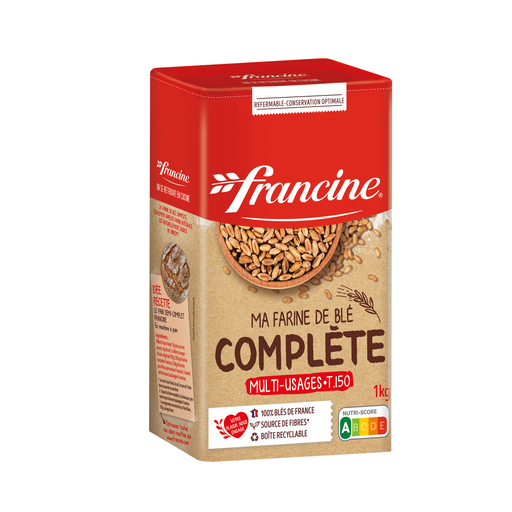 Image unavailable
FRANCINE T150 wholemeal wheat flour, 1 kg
For mixing your own flours into homemade dough. This is a 1 kg pack of T150 wholemeal wheat flour, not a ready-made fougasse to share. Add the white flour specified in your recipe separately. The result and texture of the fougasse depend on more than the type of flour alone.
View on Joybuy
Frequently asked questions
Does olive fougasse always contain wholemeal flour?
No. The ingredients list for Auchan’s 400 g olive fougasse names wheat flour, wheat gluten and malted wheat flour, but no wholemeal or semi-wholemeal flour. For any other product, check its own ingredients list.
How can you offer a flour blend to children who are reluctant to try new things?
Making fougasse at home lets you choose the white and wholemeal or semi-wholemeal flours separately, then follow a recipe designed for that blend. Manger Bouger recommends choosing wholegrain or semi-wholegrain starchy foods when they’re made from cereals. However, this won’t tell you whether your children will like the texture of your fougasse.
Which allergens should you check on fougasse bought in France?
Check the ingredients and declared allergens for the exact product, especially if its dough or topping contains wheat or milk. For prepacked foods, the DGCCRF states that allergens must be highlighted in the ingredients list.
How should you store or reheat bought fougasse?
Follow the instructions for the product you’ve chosen. For its bacon lardon fougasse, Carrefour Traiteur recommends reheating in a conventional oven for 2 to 3 minutes at 170 °C. This guidance doesn’t automatically apply to other fougasse products.
Is the Nutri-Score enough to choose a fougasse to share?
No. If the product displays a Nutri-Score, also check its ingredients, allergens and nutritional information per 100 g. The score alone won’t tell you whether the dough contains the flours you’re looking for or whether the topping suits your guests.


