What should you check before buying?
For a barbecue, first decide whether your priority is wholemeal flour, a fougasse to share, or precautions relating to the recipe and serving. Then compare only the information for the product you’re considering buying.
| Priority |
What to check |
Who is it for? |
| Flour and fibre |
Look for an explicit mention of wholemeal or semi-wholemeal flour. Compare the fibre per 100 g where it’s listed. |
If I want to serve wholegrain bread, I need to distinguish the flour from the topping alone. Around 50% of consumers put wholegrain ingredients and fibre at the top of their needs. |
| Flavour and sharing |
Check the topping and weight, then see whether the fougasse is ready to serve or needs reheating. |
If I’m serving fougasse with grilled food, I want a topping and size that suit the meal. Taste and sharing are the priority for around 30% of consumers. |
| Label and preparation |
Check the allergens and salt per 100 g, as well as the storage and cooking instructions. |
When guests need to avoid certain ingredients, I want to be able to check the recipe before serving. These checks, along with preparation requirements, are the priority for around 20% of consumers. |
Flours for making your own at home on Joybuy
These two wholemeal wheat flours are options for making bread at home to share at a barbecue. They aren’t ready-to-serve fougasses, so choose a suitable recipe and check the information on each pack.
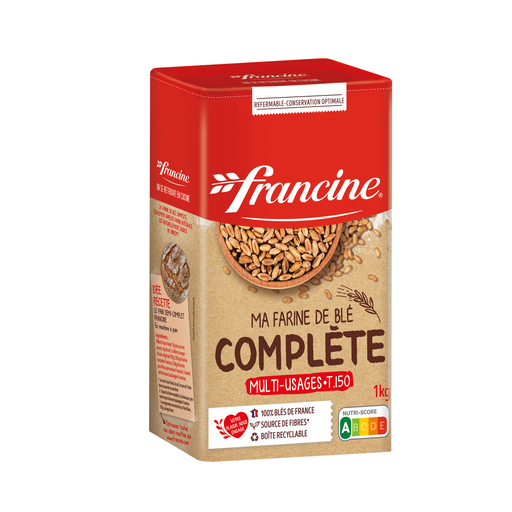 Image unavailable
FRANCINE, T150 wholemeal wheat flour, 1 kg
This T150 wholemeal wheat flour is an ingredient for baking, not a ready-to-serve fougasse, making it an option for preparing bread to share. Choose a recipe suited to the flour and check the pack to compare fibre per 100 g and review the allergen information.
View on Joybuy
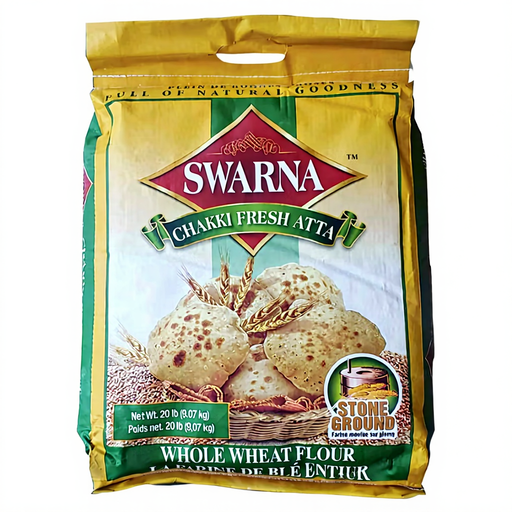 Image unavailable
Pillsbury Wholewheat Chakki Atta, 5 kg
This wholemeal wheat flour could be used to make bread at home for a barbecue, provided you choose a suitable recipe. The 5 kg pack isn’t a ready-to-share fougasse. To check whether this product meets your needs, look at the pack for fibre per 100 g and allergen information.
View on Joybuy
Frequently asked questions
How can you tell if a fougasse is made with wholemeal flour?
Look for an explicit mention of wholemeal flour, whole wheat or semi-wholemeal flour in the product name or ingredients. Olives, seeds or a dark colour aren’t enough to confirm what flour it contains. Then compare the fibre per 100 g if the information is listed.
Does an olive fougasse always contain more fibre than a cheese fougasse?
No: you can’t tell how much fibre a fougasse contains from its topping. PAUL lists 3.56 g of fibre per 100 g for its olive fougasse and 2.94 g per 100 g for its cheese fougasse; Auchan lists 1.6 g per 100 g for one of its 400 g olive fougasses. Always compare the specific recipes on the same per-100 g basis.
Which allergens should you check before serving fougasse?
Read the ingredients for the fougasse you’ve chosen, particularly for wheat and, depending on the recipe, milk. Also check any may-contain information, and ask for product-specific details if you’re buying it in store. An olive topping doesn’t mean the recipe is suitable for everyone who needs to avoid an allergen.
Can you reheat all fougasses in the same way?
No, follow the instructions for the product you’ve bought. Carrefour Traiteur says to reheat its mini olive fougasse for 2 to 3 minutes at 170 °C, while Auchan describes another olive fougasse as frozen and par-baked. Check its storage and preparation instructions before the barbecue rather than using the instructions for a different product.


