
Livraison le jour même ou le lendemain

Qualité garantie

Débloquez vos offres de bienvenue: Livraison GRATUITE | Jusqu'à -80 % | 30 jours d'essai gratuits à JoyPlus
Téléchargez l'application
Buying football equipment seems straightforward… until your first training session in the rain or your first change of pitch. A ball that soaks up water, studs that don’t suit the surface, or a size chosen out of habit can quickly turn a budget-friendly purchase into a wasted expense.
So before you start comparing prices, it’s worth running through a few practical criteria. Here are the most common mistakes to avoid, along with a selection of equipment suited to different types of players.
A ball that’s too big can make technical moves harder for a child. On the flip side, a model that’s too small won’t necessarily feel right for a teenager or adult. The correct size depends on age, build, and how you plan to use it.
Some coverings get dirty quickly or hold onto moisture. If you play outdoors regularly, especially on damp grass, a waterproof football with a seamless cover can be a practical choice. That said, you’ll still need to clean it and store it properly after each use.
The AG and FG markings aren’t just for show. An AG sole is designed for artificial turf, while an FG sole is meant for firm natural grass. Wearing FG boots on synthetic surfaces or AG boots on natural grass can affect comfort, grip, and the lifespan of the sole.
The most common sizes break down like this:
These guidelines can vary depending on your club or coach’s recommendations. For introductory sessions, a soft surface and good shock absorption often make the ball more pleasant to handle.
A seamless rubber foam construction limits water absorption and makes maintenance easier. The Longsail models featured here have a double-layer valve and a latex or butyl bladder, depending on the version. The product sheet states an air loss of between 1 and 3% over 48 hours, under the reference conditions specified.
Having a pump with inflation needle included saves you from having to buy extra accessories straight away. Still, check the pressure regularly, especially before a match or after several training sessions.
To choose Joma football boots, measure your foot at the end of the day, wearing the socks you’ll use on the pitch. According to the size charts provided, a UK size 9.5 corresponds to a foot length of approximately 27.7 to 27.9 cm, while a UK size 10.5 suits a foot of around 28.4 to 28.8 cm.
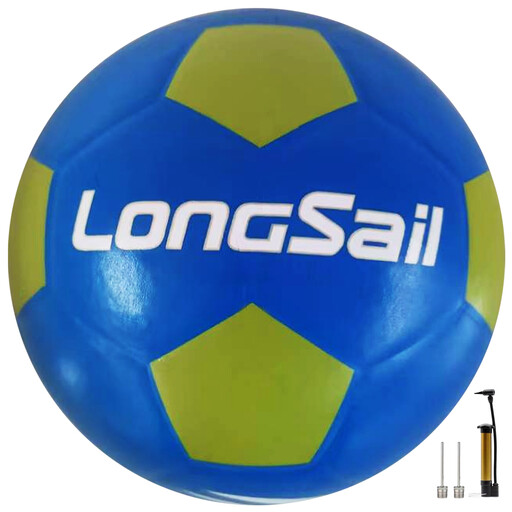
Why this suits this profile: Its size 3 format is ideal for young children and early sessions. A pump, needle and mesh bag are also included.
Its smaller size stops you from choosing an adult ball for a child. The seamless rubber foam cover is advertised as water-resistant.
Size 3, advertised waterproof surface, inflation accessories and storage bag included.
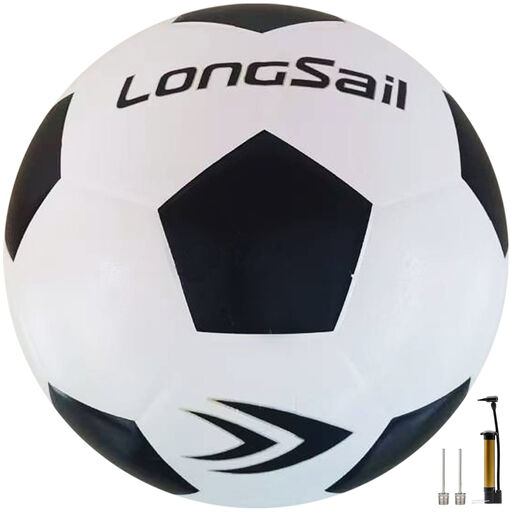
Why this suits this profile: The size 5 format meets the needs of adults and players over 12 who want to train with a ball at standard dimensions.
Its advertised waterproof design reduces the risk of water absorption swelling during outdoor training sessions.
Advertised circumference of 68 to 71 cm, recommended pressure of 8.7 to 11.6 PSI, pump and bag included.
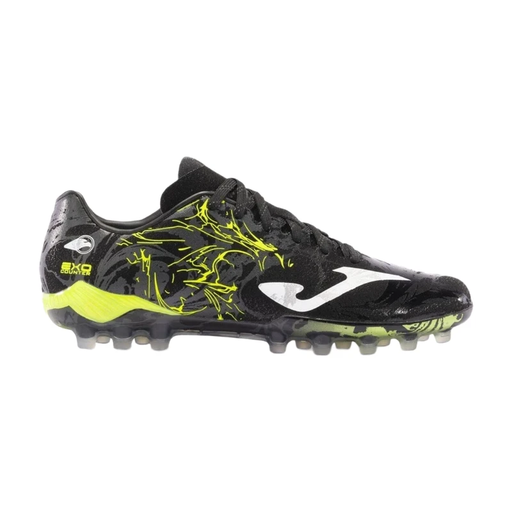
Why this suits this profile: This men’s pair is designed for artificial turf and available in UK size 10.5, which corresponds to an advertised foot length of 28.4 to 28.8 cm.
The AG marking reduces the risk of choosing a sole meant for natural grass. The product sheet also advises against using them on natural grass or indoors.
AG sole, lace-up closure, synthetic material and advertised reinforcements at the toe and heel.
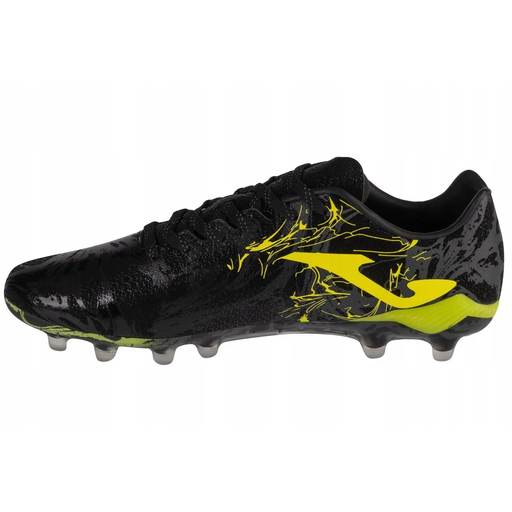
Why this suits this profile: This pair is aimed at men who play on firm natural grass and need a UK size 9.5, which corresponds to approximately 27.7 to 27.9 cm according to the size chart provided.
The FG sole is clearly intended for natural grass. The product sheet advises against synthetic and hard surfaces, which reduces the risks of using them incorrectly.
FG sole, lightweight synthetic upper, laces and advertised reinforcements on the toe and heel.
We’ve put together a comprehensive, real-time updated list of products that meet these demanding selection criteria and European safety regulations.
Well-maintained equipment stays comfortable and reliable session after session. For a ball, wipe off mud with a damp cloth, let it air dry, and keep it away from sharp objects and strong heat sources. Above all, avoid storing it wet in a closed bag.
For boots, brush off any soil residue, clean the upper with a damp cloth, then let them dry naturally in the shade. The washing machine, prolonged soaking, bleach and the tumble dryer can all damage the materials. Before each match, take a few seconds to check the condition of the studs and the sole.
Size 3 is generally suitable for children under 8. Between 8 and 12, size 4 is most commonly used. From age 12, size 5 is the adult standard. However, the club or competition organiser may specify a different size.
No. A cover advertised as waterproof limits water absorption, but the ball still needs to be wiped down after a wet session. Also check its pressure and store it away from excessive moisture.
AG boots are designed for artificial surfaces. On firm natural grass, choose FG boots instead. Always check the manufacturer’s instructions and the condition of the pitch before putting on your boots.