
Livraison le jour même ou le lendemain

Qualité garantie

Débloquez vos offres de bienvenue: Livraison GRATUITE | Jusqu'à -80 % | 30 jours d'essai gratuits à JoyPlus
Téléchargez l'application
By Joybuy, our product specialist | Published: August 27, 2026
Sore feet, aching arches after a long day on your feet? It's a feeling many of us know all too well. The at-home foot massager seems like the perfect solution for restoring comfort and well-being. But the market is flooded with models making tempting promises, and it's easy to make the wrong choice.
To prevent this feel-good purchase from turning into a costly disappointment, let's break down the common pitfalls to avoid.
To avoid these traps, let's focus on the technical criteria that truly make a difference.
Analysing a device's spec sheet is the best way to ensure it will meet your expectations, whether you're looking for simple foot relaxation or relief from more targeted pain like plantar fasciitis.
The choice mainly comes down to two major types of devices:
The quality of the massage depends directly on the built-in technologies.
A good heated foot massager must do more than provide vague warmth. For a real benefit, look for models that feature an adjustable temperature range (for example, from 35°C to 48°C / 95°F to 118°F). The ability to maintain this temperature is also a mark of quality, especially for a foot spa device where water tends to cool down quickly.
To help you sort through the options, here is our selection of products that stand out for their performance and suitability for different needs.
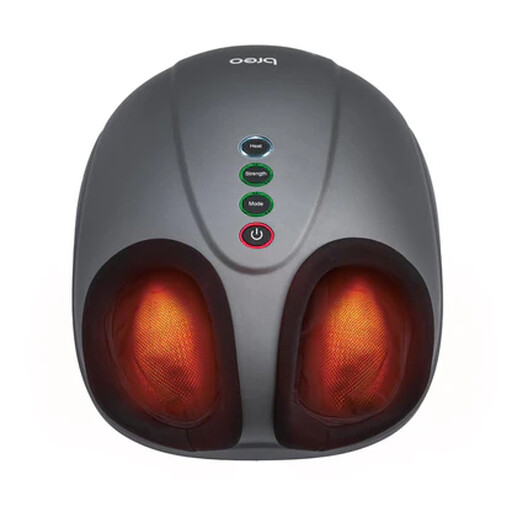
Why we recommend it: Perfect for those who suffer from chronic pain (like plantar fasciitis) or spend their days on their feet. It combines multiple massage techniques for intense and precise relief.
This model offers a genuinely powerful Shiatsu massage, coupled with air compression. It's light-years ahead of simple manual rollers. Its heating function reaches a truly effective temperature (40-45°C / 104-113°F).
The combination of deep kneading and adjustable air compression allows it to target painful areas with high precision while stimulating circulation.
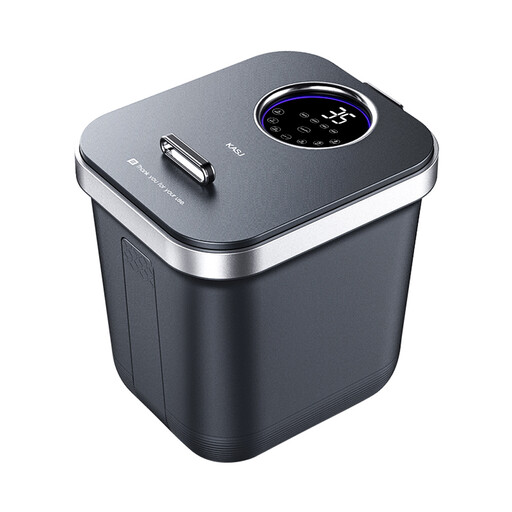
Why we recommend it: For those who want total immersion and the benefits of hydrotherapy. Its high-walled basin can even soothe the calves, delivering a truly complete at-home spa experience.
It checks all the boxes: the temperature is adjustable up to 48°C (118°F), the rollers are motorised for a proper massage, and the UV sterilisation system with removable plates ensures impeccable hygiene.
Its high-walled basin that envelops the calves and its hot water circulation system create an immersive thalassotherapy experience, a rare feature for a consumer-grade device.
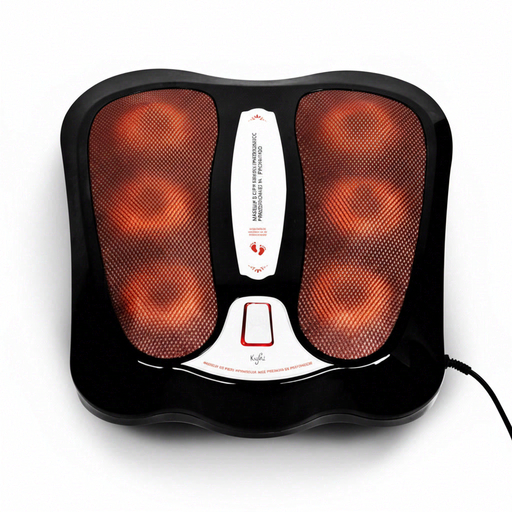
Why we recommend it: The perfect companion for a quick and easy relaxation session after work. It gets straight to the point: an effective arch massage with a touch of heat, all without the hassle of a foot spa.
As a dry massager, it immediately eliminates concerns about hygiene and water cleanup. Its infrared heating is direct, and its single-button control makes it incredibly simple to use.
Its 18 massage heads are strategically placed to cover the entire arch of the foot, ensuring a complete and effective kneading massage, all at an accessible price point.
We have curated a complete and up-to-date selection of products that meet our demanding selection criteria and current safety standards.
Most manufacturers recommend sessions of 15 to 30 minutes. Any longer and you risk overstimulation or skin irritation. In fact, many models include an auto-shutoff timer for added safety and peace of mind.
It all depends on the model. Some spa devices are equipped with a dedicated compartment (sometimes called an 'herb box') for adding salts, oils, or herbs without the risk of clogging the jets or the pump. If your device doesn't have one, it is strongly advised not to add anything directly into the water. When in doubt, always consult the user manual.
Many users report significant relief from pain associated with plantar fasciitis with the regular use of a shiatsu foot massager. The deep tissue massage, combined with heat, can help relax the plantar fascia and reduce inflammation. However, a word of caution: a massager is never a substitute for medical advice. It is essential to consult a healthcare professional for an accurate diagnosis and an appropriate treatment plan.