
Livraison le jour même ou le lendemain

Qualité garantie

Débloquez vos offres de bienvenue: Livraison GRATUITE | Jusqu'à -80 % | 30 jours d'essai gratuits à JoyPlus
Téléchargez l'application
With promises of “energy”, “immunity” and beauty everywhere, vitamin and mineral food supplements should not be chosen based on the number of ingredients listed on the label. The dosage, form of the nutrients, length of use and compatibility with your diet are far more important.
A man or woman over 50, a vegan or an adult simply looking to supplement their diet occasionally will not have the same needs. Here are the main points to check before buying, along with a selection of products suited to different uses.
A high percentage of the nutrient reference values (NRVs) may seem reassuring, but it does not guarantee that the formula is right for you. For example, some vitamin B12 supplements provide 1 000 µg per serving, which is far above the NRV. This dosage may be appropriate in certain situations, but it should be considered alongside your diet, your actual needs and, where necessary, advice from a healthcare professional.
The same caution applies to vitamin D3, 1 000 mg vitamin C supplements and combinations of vitamin D3 and vitamin K2 MK-7.
A supplement promoted as beneficial for immunity or energy is no substitute for a varied diet, sufficient sleep or medical monitoring. In the European Union, authorised claims must remain precise: certain vitamins and minerals, for example, contribute to the normal function of the immune system or to the reduction of tiredness, provided that the recommended conditions of use are followed.
Claims such as “fast absorption”, “guaranteed results” or “complete action” should therefore be treated with caution, particularly when detailed ingredients are missing.
An inexpensive bottle may contain only 30 tablets, while a 365-tablet formula could last an entire year when taken once a day. To compare prices properly, calculate the cost per serving, then check the actual number of servings required each day.
The format matters too. Gummies are pleasant to take, but they often contain sugar or glucose syrup. Tablets are generally more compact. A liquid formula may be easier to consume for people who struggle to swallow tablets, but it requires more care after opening.
Focus on the amount provided per daily serving, rather than simply the total number of ingredients. For vitamin D, check the conversion between IU and micrograms carefully: 2 000 IU equals 50 µg, while 4 000 IU equals 100 µg.
The form of the nutrient is sometimes specified: cyanocobalamin or methylcobalamin for vitamin B12, ascorbic acid for vitamin C, magnesium oxide for marine magnesium used in certain formulas, or menaquinone-7 for vitamin K2 MK-7.
If you are looking for vegan food supplements, check the source of every ingredient. Vitamin D3 derived from lanolin is not vegan, even if the tablet itself is vegetarian. By contrast, vitamin D3 extracted from lichen may be suitable for a vegan formula.
Depending on your diet, also check for gluten-free, lactose-free, gelatine-free and GMO-free claims. Allergens must be clearly stated, particularly soya, which is present in some multivitamins.
A bottle of 120 gummies may provide 60 days’ supply if the recommended serving is two gummies, rather than 120 days. Similarly, a 500 ml bottle taken at 15 ml per day provides approximately 33 servings.
Follow the recommended storage temperature, close the container securely and keep it out of the reach of children. Liquid products often need to be refrigerated after opening. If your supplement contains biotin, tell your doctor or the laboratory before having a blood test, as this vitamin can interfere with certain results.
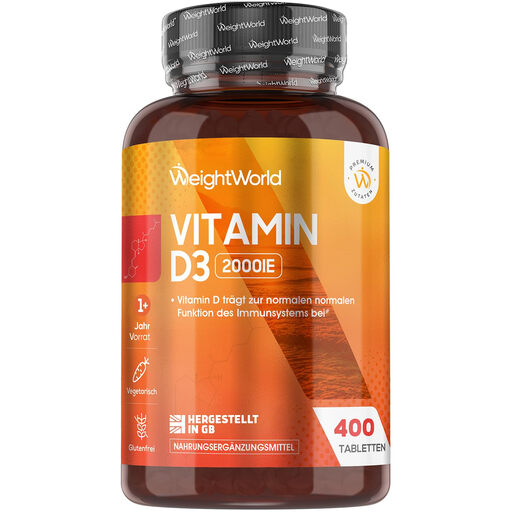
Why this choice suits this profile : A simple formula in a compact tablet, ideal for discovering vitamin D3 with one tablet a day and more than a year’s supply.
The 2 000 IU dosage and one-tablet daily serving are clearly stated, making it easier to assess the daily cost.
400 tablets, vegetarian format, gluten- and GMO-free, with 8 mm tablets.
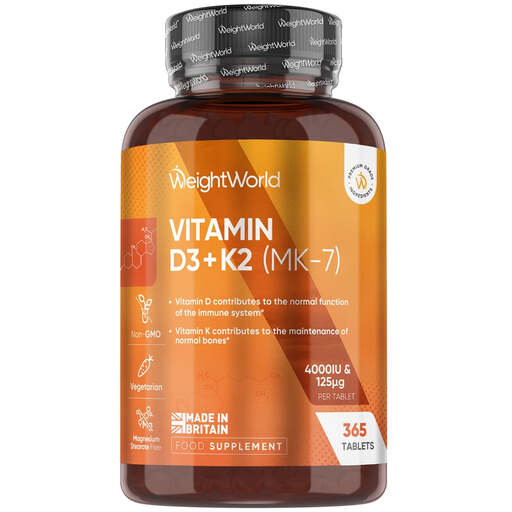
Why this choice suits this profile : This combination is designed for adults looking for a targeted formula bringing together vitamin D3 and K2 MK-7 in one daily tablet.
Both dosages are listed separately : 4 000 IU of D3 and 125 µg of K2 MK-7 per tablet. The composition is not hidden behind a vague promise of a complete formula.
365 tablets, vegetarian formula, GMO-free and free from magnesium stearate. Ask for medical advice if you take anticoagulant medication.
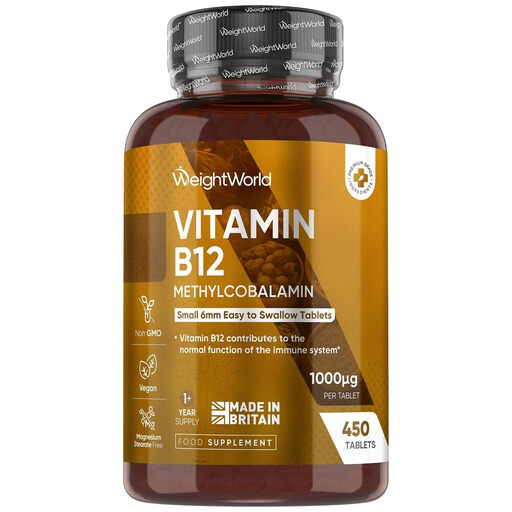
Why this choice suits this profile : Its vegan format and long-lasting supply are particularly suitable for people who avoid animal products and want to order less frequently.
The form of B12, the 1 000 µg dosage and the one mini-tablet daily serving are clearly stated, without combining them with a long list of difficult-to-compare active ingredients.
450 6 mm tablets, vegan formula and no declared allergens. Medical advice is recommended if you are taking medication or are pregnant.
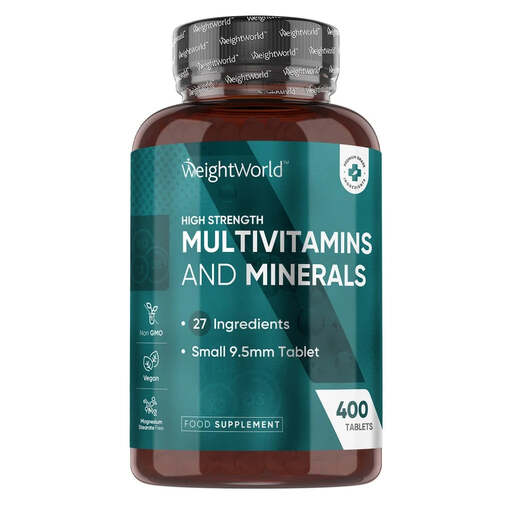
Why this choice suits this profile : An all-round formula may suit people who prefer to combine several vitamins and minerals in one daily tablet.
The nutritional information gives the amounts per tablet, particularly for vitamins C, D3 and B12, magnesium and zinc. This allows you to spot any potential duplication with other supplements.
400 tablets, vegan formula, gluten- and lactose-free, with a peppermint flavour.
We have put together a complete, real-time updated list of products that meet these strict selection criteria and European safety regulations.
Sometimes, but start by comparing the formulations. A multivitamin may already contain vitamin D, zinc, biotin or B12. Adding a separate formula could then lead to unnecessary or even excessive intake. Ask a healthcare professional for advice if you are taking medication, are pregnant or have a chronic illness.
It depends entirely on the product and the daily dosage. A bottle of 400 tablets taken at one tablet a day lasts more than a year, while a pack of 45 effervescent tablets provides approximately 45 days’ supply for an adult. Follow the dosage instructions on the packaging and do not continue targeted supplementation without a clearly established reason.
No. They can supplement your diet when necessary, but they are no substitute for varied meals, good hydration or a balanced lifestyle. If you experience persistent tiredness, hair loss or an unusual symptom, medical advice can help identify the cause before you choose a supplement.