
Livraison le jour même ou le lendemain

Qualité garantie

Débloquez vos offres de bienvenue: Livraison GRATUITE | Jusqu'à -80 % | 30 jours d'essai gratuits à JoyPlus
Téléchargez l'application
Choosing a food storage container is not a decision to take lightly. An unreliable seal, an unsuitable capacity or overly demanding care can quickly turn a practical purchase into an item forgotten at the back of a cupboard. Whether you want to store leftovers, organise cereals or prepare portions in advance, it is worth considering a few essential criteria.
A lid that fits securely is not necessarily airtight. With dry foods, moisture can soften cereals, dried fruit or biscuits. For leftovers, an insufficient seal also increases the risk of leaks in the fridge.
Check for a silicone seal, the type of closure system and the usage instructions provided by the manufacturer. An airtight container must also be completely dry before you put food inside it.
Glass is generally dishwasher-safe, but its lid is not always suitable for this type of cleaning. Wood, particularly acacia, often needs to be washed by hand and should not be left submerged.
This precaution helps prevent the lid from warping and the seal from deteriorating. Before choosing a container advertised as dishwasher-safe, check whether this applies to the entire product or just the container itself.
A container that is too small means having to divide food between several containers. Conversely, an oversized model takes up unnecessary cupboard space and makes storage more difficult. A 750 ml food storage container is suitable for small quantities of cereal, rice, short pasta, dried fruit or a prepared portion.
For a family, 2-litre formats are often more practical for dry foods that are eaten regularly. Shape also matters: a rectangular model is generally easier to stack than a round jar.
A glass storage container lets you identify its contents immediately and see how much is left. Borosilicate glass is described as heat-resistant on some models, but it remains sensitive to thermal shock. Avoid moving it directly from cold to hot, or pouring boiling liquid into a jar that is not designed for this purpose.
Plastic is lighter and can be particularly practical for larger capacities. However, you should check the instructions regarding use in the oven, microwave and with hot food. A plastic container intended for storage should not automatically be used to reheat its contents.
For storing cereals, pasta and rice, choose a closure that limits exposure to moisture and dust. A wooden lid with a silicone seal can combine an attractive appearance with a secure fit. A white or transparent plastic lid may, on the other hand, be easier to clean.
The term ‘airtight’ should always be considered alongside the manufacturer’s instructions: it does not mean that the contents can be stored indefinitely, nor that the container removes the need to follow good hygiene practices.
A transparent kitchen storage jar lets you identify the contents without opening every container. Stackable, rectangular formats make the most of the space in a fridge or cupboard. Round jars can nevertheless look more attractive displayed on a worktop, particularly for coffee, nuts or dried fruit.
Before buying, measure the available space and compare the external dimensions: the stated capacity alone is not enough to assess the actual amount of space the container will occupy.
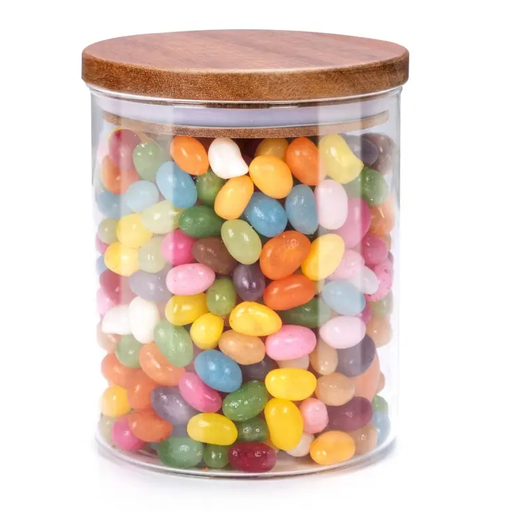
Why this choice suits this profile : At 600 ml, this compact format is ideal for starting to organise a worktop or cupboard, particularly for spices, small quantities of cereal and dried fruit.
The acacia lid and secure closure help protect the contents from moisture. The hand-washing instructions also help prevent damage to the wood.
Transparent glass jar measuring 9.5 × 9.5 × 11 cm, with an acacia lid that should be wiped with a damp cloth.
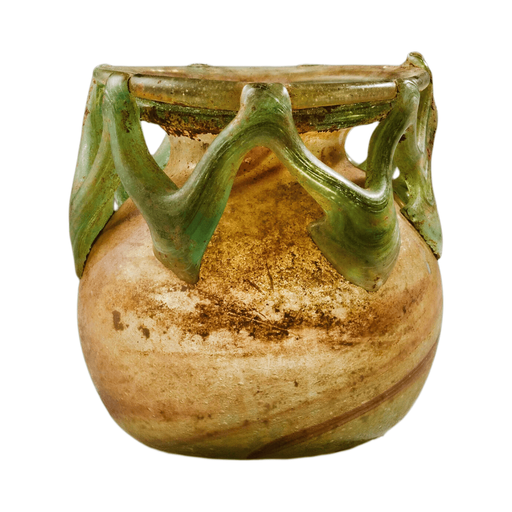
Why this choice suits this profile : With its 750 ml capacity and textured glass inspired by amphorae, this jar is aimed at those who want to store their food while also presenting it attractively.
The silicone seal is designed to limit exposure to moisture. Washing the lid by hand reduces the risk of damage in the dishwasher.
Hammered borosilicate glass, 750 ml capacity, visible contents and an acacia lid fitted with a food-grade silicone seal.
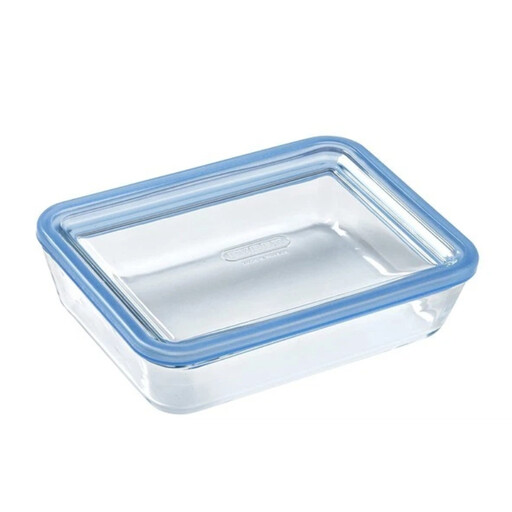
Why this choice suits this profile : Its rectangular 0.8-litre format is suitable for leftovers and prepared portions. It can be moved from the fridge to the freezer, oven, microwave or dishwasher, provided you follow the usage instructions.
The compatible uses are specified, but the risk of thermal shock remains very real: allow the glass to return to room temperature before moving it between environments.
Borosilicate glass, stackable format, 0.8-litre capacity and stated compatibility with the fridge, freezer, oven and dishwasher.
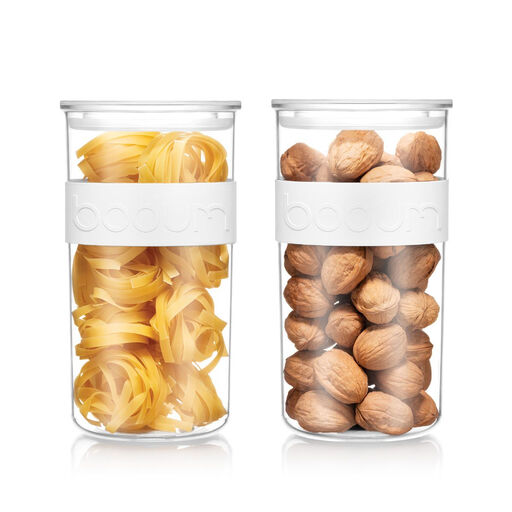
Why this choice suits this profile : This set of two 2-litre containers is ideal for regularly storing pasta, rice, cereal, snacks or large quantities of leftovers.
The transparent body and lid described as airtight make it easy to keep track of your supplies. To prevent deformation, do not use these containers in the oven or microwave, and allow food to cool before closing them.
Two 2-litre containers, transparent body, plastic stated to be BPA-free, and dishwasher cleaning to be confirmed for the exact model.
We have put together a complete, real-time selection of products that meet these strict criteria and the requirements of European safety regulations.
To keep a glass food storage container in good condition:
Lifespan depends on how frequently the container is used, the knocks it sustains and whether the manufacturer’s instructions are followed. For dry foods, also note the opening date on a label so you can keep better track of your supplies.
For one person or occasional use, 600 to 800 ml may be enough. For a family or daily use, a 1.5 to 2-litre container means it needs refilling less often. Always compare the capacity with the actual amount of space available in your cupboard.
Not necessarily. Even when a container is advertised as oven-safe, thermal shock can cause it to crack. Allow it to return to room temperature and follow the manufacturer’s instructions before reheating it.
No. A dishwasher-safe container may have a wooden lid that needs to be washed by hand, or a plastic lid whose suitability must be checked for the model concerned. Consult the instructions before the first wash cycle.