People who prepare vegetables regularly
If you grate, slice or chop several times a week, a food processor can take care of all these jobs. Check that it comes with the discs and blades you need, and make sure you have somewhere to store them.


A food processor is a good choice if you regularly grate, slice, chop and blend, provided it comes with the accessories you need and you have room for it in your kitchen. If you only use one or two functions, separate appliances may be easier to store. Either way, choose a bowl capacity that suits the amounts you usually prepare.
If you grate, slice or chop several times a week, a food processor can take care of all these jobs. Check that it comes with the discs and blades you need, and make sure you have somewhere to store them.
Compare the bowl capacity with your usual portions. If it’s too small, you may need to work in batches; if it’s too bulky, it could be difficult to store with all its accessories. Measure the space you have in mind for the complete set.
If you already have a blender or chopper, think about which tasks you still need to cover. A few separate appliances may still make more sense if you’d only use a small proportion of a food processor’s accessories.
Start with the jobs you do regularly, then compare the functions and bowl, and make sure there’s room for all the parts you’ll need to store.
| Priority | What to check | How it applies to me |
|---|---|---|
| Useful functions | Compare the discs, blades and other accessories actually included with the jobs you want to do. In its test protocol dated 26 March 2026, UFC-Que Choisir explains that additional functions are tested only when the relevant accessories are supplied. | I grate and slice often, so the right tools matter more to me than the number of functions listed. |
| Type of appliance | If you regularly do several different jobs, compare a food processor with the appliances you already use. For just one or two tasks, consider how much space each specialist appliance and its parts will take up. | I mainly chop small amounts, so a chopper could do the job without me having to store a whole set of discs. |
| Bowl capacity | Choose a capacity that suits your usual portions and recipes, and check whether a small bowl is included for smaller quantities. UFC-Que Choisir recommends choosing a bowl that suits your household and habits. | For everyday meals, I want to avoid having to work in repeated batches or using a bowl that’s bigger than I need. |
| Storage for the whole set | Measure the space for the base and bowl, then allow room for the lids, blades and discs. Check whether your chosen model includes a storage box or space to store accessories inside the bowl. | I want to keep my worktop clear, so I need an accessible place for the appliance and all the parts I use. |
| Care and cleaning | Check the instructions for how to clean each part and find out what repair options are available for the model. Don’t assume that every part is dishwasher-safe. | If I cook often, I want to be able to clean and put away the accessories without having to handle too many separate parts. |
A listed function may require a separate accessory. A food processor will only handle the jobs you have in mind if the necessary parts are included or available to buy separately.
Check exactly what’s in the box against the recipes you make regularly, especially if you want to grate, slice or blend.
Bowls, lids, discs and blades all take up space too. In a small cupboard, storing them can be more of a challenge than finding room for the base.
Measure the space you have for the complete set and check whether the model comes with a storage box or space inside the bowl for the accessories.
A bowl that’s too small may mean working in batches, while a large bowl will also need somewhere to go after use.
Base your choice on the amounts you usually prepare, and only look for an extra small bowl if you often make small portions.
A food processor designed for preparing ingredients shouldn’t be chosen on the assumption that it can cook meals automatically or handle every baking task.
If cooking or frequent kneading is your priority, start by looking at the relevant appliance category, then check the functions and capacities of the model you’re considering.
These options include food processors that bring several preparation tasks together, as well as choppers for more specific jobs. Compare their functions with your usual needs, and remember to allow space for the bowls and accessories.
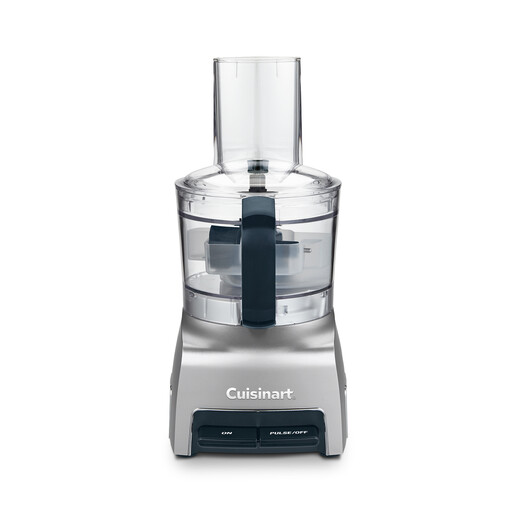 Image unavailable
If you want to grate or chop small amounts, compare its 1.1 L bowl with your usual portions. You’ll also need room for the disc and blade, as well as the appliance itself.
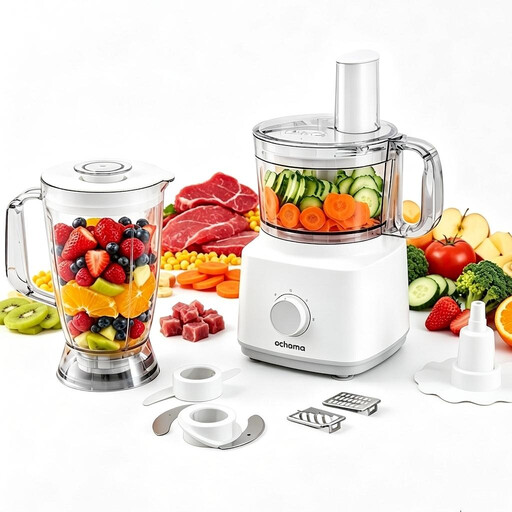 Image unavailable
The product listing mentions slicing, grating, chopping and blending. If you’re counting on these functions in a small kitchen, check which accessories are included and measure the space you’ll need for the complete set.
 Image unavailable
This 300 W chopper comes with two bowl sizes, so you can choose the right one for the amount you’re preparing. It’s worth considering if chopping is more important to you than grating; make sure you have room for both bowls.
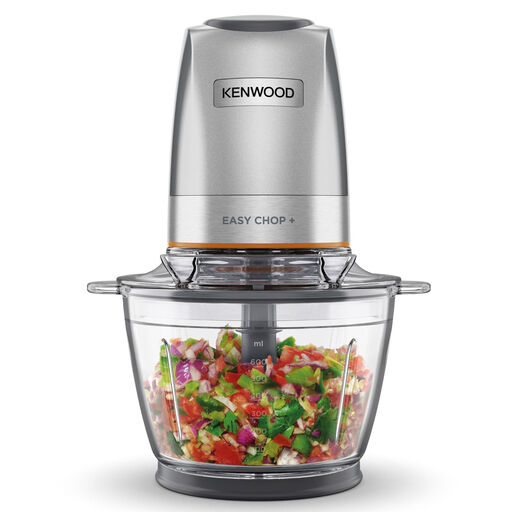 Image unavailable
This mini chopper is a good fit if you’re mainly looking to chop, rather than use a full set of functions. If you also want to grate or slice, check separately how you’ll manage those tasks and where you’ll store the parts.
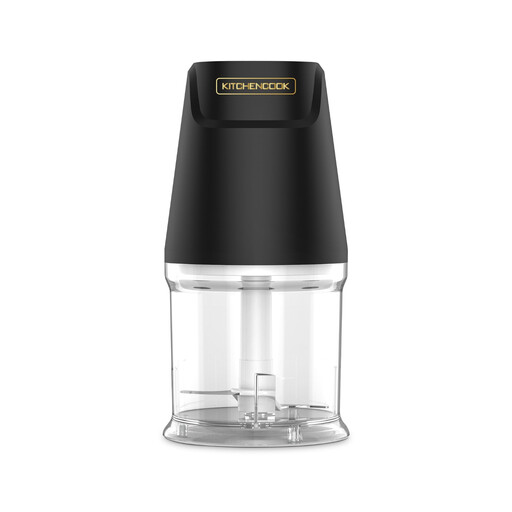 Image unavailable
With its 0.5 L bowl, this model is better suited to chopping small amounts than preparing larger meals. Follow the stated limit of 15 to 20 seconds of continuous use, and let it cool between cycles.
Start by checking that it comes with the tools you need for the jobs you do regularly: discs for grating or slicing, a blade for chopping, and the right accessory for blending or kneading. UFC-Que Choisir explains that it only tests additional functions when the relevant accessories are supplied.
Choose a capacity that suits your portions and the space you have, rather than assuming one size will work for everyone. UFC-Que Choisir recommends taking your household and habits into account. Also check whether you’ll need an extra bowl for smaller preparations.
No. It will only cover the tasks you need if the right accessories are available and you use them often enough to justify storing them. If you only have one or two occasional jobs, compare the space taken up by a few specialist appliances with that needed for the complete food processor set.
Measure the space for the base, then include the bowl, lids, discs and blades in your storage plan. Check whether the parts for your chosen model fit inside the bowl or in a dedicated box.
Check the instructions for how to clean each bowl, lid and accessory, then look into the parts and repair options available for your chosen model. For a small appliance that’s no longer used or has stopped working, ADEME suggests considering repair, donation or a collection scheme.