
Livraison le jour même ou le lendemain

Qualité garantie

Débloquez vos offres de bienvenue: Livraison GRATUITE | Jusqu'à -80 % | 30 jours d'essai gratuits à JoyPlus
Téléchargez l'application
A food waste disposer for your sink can make managing peelings and small leftovers after meals much easier. But you need to choose a model that's compatible with a UK-style installation. The wrong sink flange, an underestimated noise level or a flimsy grinding system can quickly turn a practical purchase into an unnecessary expense.
Before comparing prices, take a moment to steer clear of three common pitfalls.
For a small household dealing with food waste every day, a 1/2 HP sink disposer can be a balanced choice. However, do check the electrical power in watts, the motor type and the feed method.
A continuous-feed disposer runs while you add waste gradually. This setup works well for everyday meals, as long as you don't tip in too large a quantity all at once. Run cold water before starting the appliance, keep it running during grinding, and then for a few more seconds after switching off to help the waste flow away.
A stainless steel grinding system generally stands up well to moisture and repeated use. That doesn't mean the disposer can handle every type of waste, though. Metal, glass, plastic, textiles, large bones and very hard shells should be kept out, unless the manufacturer explicitly says otherwise.
The chamber capacity is also worth your attention. A 1,000 ml chamber offers a comfortable volume for everyday leftovers, but you shouldn't fill it to the max every time. By adding waste little by little, you reduce the risk of overloading and blockages.
In an open-plan kitchen or a flat, noise can quickly become a deciding factor. Look for a measured figure and check for essential protections: overheat protection, overload protection and a reset button.
A disposer with a pneumatic switch is operated by pressing a button connected to the unit by a small air tube. The installation must comply with local plumbing and electrical regulations. Before ordering, measure the space under your sink and check the compatibility of the sink flange and the waste pipe connection.
The right choice depends on your home, how often you cook and how important noise levels are to you. The cards below show several usage profiles, while clearly distinguishing a sink disposer from a simple kitchen accessory.
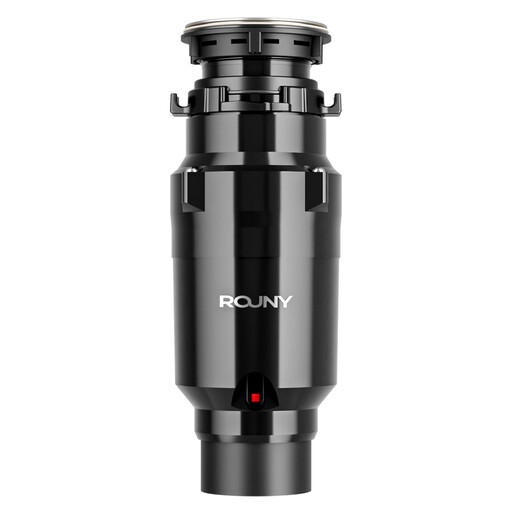
Why this choice suits this profile: this electric disposer delivers 375 W, operates on continuous feed and features a quick four-point fixing system. A setup that can work well as a first appliance for a small household.
The listing mentions a 1,000 ml grinding chamber, overheat and overload protection, and a supplied pneumatic switch. That helps you avoid buying extra accessories, provided the whole setup is compatible with your sink.
Permanent magnet motor, stainless steel grinding, stated noise level ≤ 50 dB and quick four-point mounting.
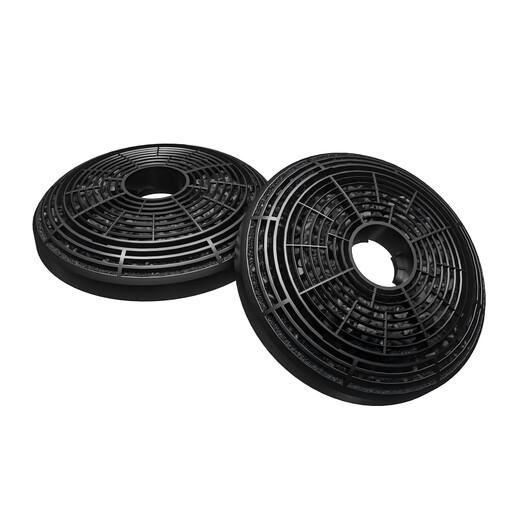
Why this choice suits this profile: this filter is not a replacement for a sink disposer. Instead, it complements a kitchen where controlling odours and maintaining the extractor hood are priorities.
Its compatibility is limited to certain Ciarra hood models. Be sure to check your appliance's reference before buying to avoid ending up with a consumable you can't use.
Stated dimensions of 11 × 11 × 4 cm and tool-free replacement according to the product listing.
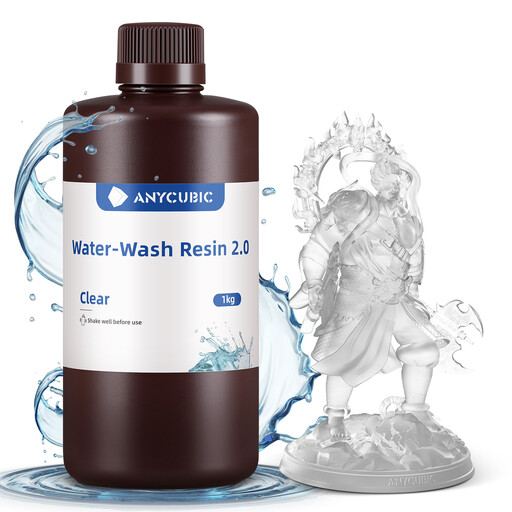
Why this choice suits this profile: this consumable is intended for 3D printing, not for disposing of food waste. It appears here only to avoid any confusion between different categories of technical products.
The listing states that cleaning water must never be poured down the drains. This resin must therefore never be used with a sink disposer.
Stated compatibility with 3D printers using a 405 nm wavelength and cleaning with water or isopropyl alcohol at 95% or higher.
We've selected a full list, updated in real time, of products that meet these demanding selection criteria and European safety standards.
Before you start, check that your sink accepts the fixing system and that the space under the basin allows the motor and pipes to be installed properly. If you're renting, also get the necessary permission when the installation involves modifying the waste pipe.
Then follow these steps:
No. You need to check the diameter and type of sink flange, the space available under the sink, the waste pipe connection and the electrical supply. The installation must also comply with local plumbing and electrical regulations.
The running time depends on how often you cook, the type of waste, how well you maintain it and whether you follow the manufacturer's instructions. Feeding waste gradually, using cold water and keeping out hard or non-food items all help to reduce blockages and overloads.
That depends entirely on the motor power and the actual running time. Used for a few moments to deal with reasonable amounts, the appliance doesn't run continuously. Compare the power in watts, the feed method and the built-in protections rather than relying solely on a promise of savings.