
Livraison le jour même ou le lendemain

Qualité garantie

Débloquez vos offres de bienvenue: Livraison GRATUITE | Jusqu'à -80 % | 30 jours d'essai gratuits à JoyPlus
Téléchargez l'application
With promises of ‘high strength’, travel-friendly formats and bottles designed to last, buying food supplements can quickly become a headache. A higher dosage is not necessarily more suitable, while a value pack may mean taking ingredients you do not really need.
To make an informed choice in France, start by checking the actual quantity provided, the form of the nutrients, the duration of use and the precautions mentioned on the label. Here are the criteria to review before placing your order.
A label may state the weight of a mineral salt without clearly specifying the amount of elemental mineral. In the case of magnesium citrate, for example, the weight of the citrate and that of the elemental magnesium are not the same. It is the latter figure that allows you to compare two formulas.
The same principle applies to zinc citrate and certain products containing potassium. Before comparing two products, look for the wording ‘of which’ or the line showing the ‘elemental amount’.
High-strength formulas may catch your eye, but they are not suitable for every situation. With zinc, selenium or vitamin D3, in particular, you need to take into account the amounts already provided by your diet and any other products you may be taking.
A food supplement is not a substitute for a varied diet. If you are taking a supplement for a prolonged period, using a high dosage or have a particular health concern, it is best to seek advice from a healthcare professional. For example, the WeightWorld Zinc Citrate 50 mg product states that it provides 15 mg of elemental zinc per gummy, equivalent to 150% of the NRV, and recommends not continuing to use it for more than three months without medical supervision.
Capsules, tablets, gummies and chewable tablets suit different routines. A bottle containing 365 tablets may seem particularly good value, but you should still check the daily dose, the best-before date and the storage conditions.
Gummies may contain sugar or glucose syrup. Unflavoured tablets are generally easier to incorporate into a simple, discreet routine. The best format is still the one you can take regularly while following the stated dosage.
For vitamins and minerals, always compare:
WeightWorld magnesium citrate provides 222 mg of elemental magnesium per capsule and contains 240 capsules. Its formula is described as vegan and free from gluten and lactose. The marine magnesium oxide with vitamin B6 from the same brand, on the other hand, provides 360 mg of magnesium per two capsules. These figures cannot be compared directly without taking into account the daily serving and the form of the mineral.
A vegan food supplement deserves a closer look: the capsule shell, texturing agents, flavourings and the origin of the vitamins. The vitamin D3 in the product providing 2,000 IU comes from lanolin. It may therefore be suitable for vegetarians, but not necessarily for people looking for a vegan formula.
Nutri&Co’s French organic spirulina comes in tablet form and is made solely from organic spirulina. It is Ecocert AB certified and described as free from gluten and declared excipients. The recommended dose for adults is six tablets per day, providing a 20-day course with the bottle of 120 tablets.
A pack designed to last six months or a year can reduce the need to reorder, but it should never encourage you to exceed the recommended dose. Take particular care with products containing zinc, selenium, vitamins D3 and K2, potassium or iron.
The vitamin D3 providing 4,000 IU with K2 MK-7 supplies 100 µg of vitamin D3 and 125 µg of vitamin K2 per tablet. This is a high-strength formula, so check that it is right for your needs with a healthcare professional, particularly if you are taking an anticoagulant or another supplement containing vitamin D.
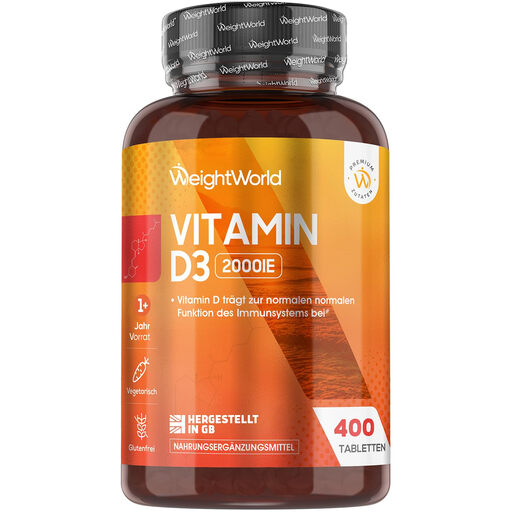
Why this choice suits this profile: A simple formula in the form of 8 mm microtablets, with one daily dose and a bottle of 400 tablets.
The label clearly distinguishes the 2,000 IU, equivalent to 50 µg of vitamin D3, from the total number of tablets.
400 tablets, vegetarian formula, free from gluten and GMOs, with no flavouring.
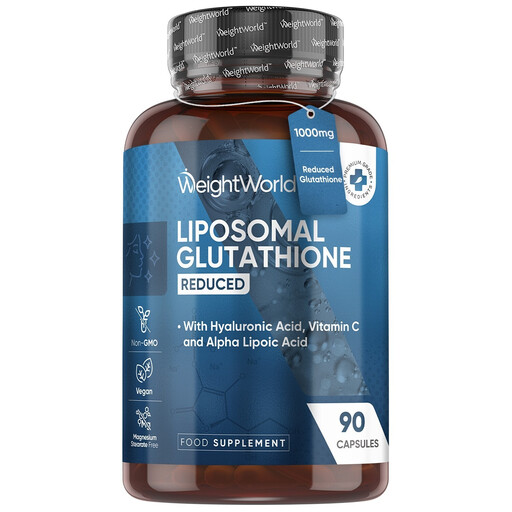
Why this choice suits this profile: This formula is designed for users looking for a combination of liposomal glutathione, vitamin C, alpha-lipoic acid and hyaluronic acid.
The detailed composition allows you to check the quantity of each active ingredient, rather than relying solely on the term ‘liposomal’.
333.3 mg of reduced glutathione per capsule, with a vegan, GMO-free formula.
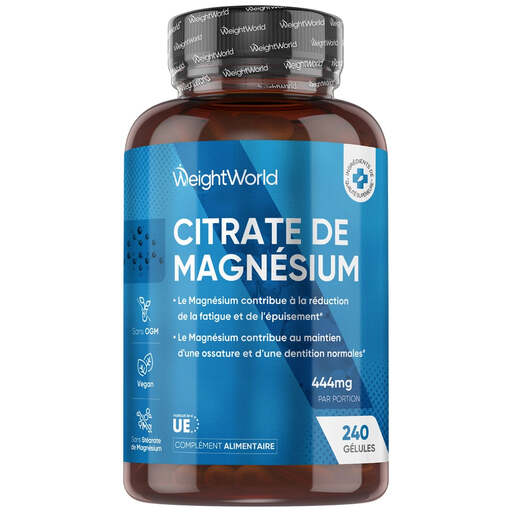
Why this choice suits this profile: With 240 capsules, this format suits anyone who wants to reduce the number of orders while maintaining a daily routine.
The product information distinguishes between 740 mg of citrate and 222 mg of elemental magnesium per capsule.
Citrate form, vegan formula, free from gluten and lactose, providing eight months’ use when taken at the stated dosage.
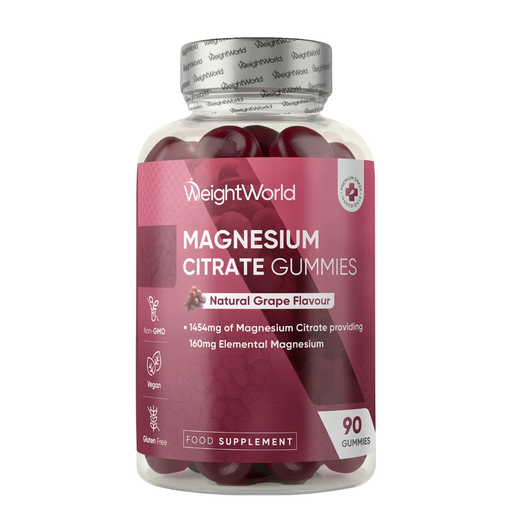
Why this choice suits this profile: Their chewable format and grape flavour make them easy to take at work, while travelling or for anyone who dislikes swallowing capsules.
The serving is clearly set at two gummies and provides 160 mg of elemental magnesium, with 2 g of sugars.
Vegan gummies, free from gelatine, gluten and GMOs, with 45 servings per bottle.
We have brought together a complete, real-time updated selection of products that meet these strict criteria and European safety requirements.
Follow the best-before date, close the bottle carefully and store it away from heat, moisture and direct light. Gummies are particularly sensitive to high temperatures. You should also avoid transferring tablets to another container, so that all traceability information is retained.
They are easy to chew and do not require water, but they may contain sugar or gelling agents. Capsules and tablets often offer a more neutral formula. Before choosing, compare the daily serving, ingredients and storage conditions.
A combination such as vitamin C and zinc can bring together several nutrients in a single dose. However, taking several products containing zinc, selenium or vitamin D3 can unnecessarily increase the total amount. Check the labels of each product and seek advice from a healthcare professional if you are receiving treatment, are pregnant or breastfeeding, or have a health condition.