
Livraison le jour même ou le lendemain

Qualité garantie

Débloquez vos offres de bienvenue: Livraison GRATUITE | Jusqu'à -80 % | 30 jours d'essai gratuits à JoyPlus
Téléchargez l'application
Food supplements can meet a wide range of needs: providing vitamins and minerals, improving sleep, supplementing protein intake, supporting nutrition or complementing sporting activities. With so many promises, dosages that can be difficult to compare and a wide variety of formats, making the right choice can quickly become a real headache.
Before filling your basket, three pitfalls deserve your attention:
A food supplement should not replace a varied, balanced diet. If you are pregnant or breastfeeding, taking medication, living with a medical condition or have specific nutritional needs, seek advice from a healthcare professional.
Always compare the amount of active ingredient per daily dose, rather than just the product’s total weight. A pack may contain a large number of tablets while providing a different dose depending on the recommended daily intake.
Take a magnesium citrate supplement as an example: the number of capsules alone is not enough to compare two products; you need to check how much elemental magnesium they provide. For a melatonin formula for sleep, check the dose per tablet, the recommended time of use and the precautions relating to drowsiness. WeightWorld Melatonin Complex provides 1.9 mg of melatonin per tablet, along with magnesium, vitamin B6 and passionflower and chamomile extracts.
Length of use also matters. Formats containing 365 or 400 tablets reduce the need for repeat orders, but they require suitable storage conditions and a best-before date that is sufficiently far away.
Choose a format that fits your routine:
Read the full list of ingredients. Whey protein generally contains milk proteins and may also contain soya, particularly in the form of lecithin. Bars may contain polyols, sweeteners or peanuts. Vegan supplements should also specify the source of the relevant ingredients: in some formulas, for example, vitamin D3 comes from lichen.
For iron and folic acid, calcium, and vitamin D3 K2, also check whether these nutrients are present in other supplements you already take, particularly a multivitamin. This helps you avoid unnecessary duplication.
In France and the European Union, a food supplement must state a recommended daily dose, the list of ingredients, allergens, storage conditions and a warning explaining that it should not be used as a substitute for a varied diet.
Permitted nutrition claims should not be confused with general promises. Certain claims relating to vitamin D, calcium or vitamin C are allowed when they meet the conditions laid down by European regulations. However, they do not guarantee the same effect for every person.
Medical nutrition is a separate case. A product intended for the dietary management of a risk of undernutrition must be used in accordance with its labelling and, where necessary, under medical supervision.
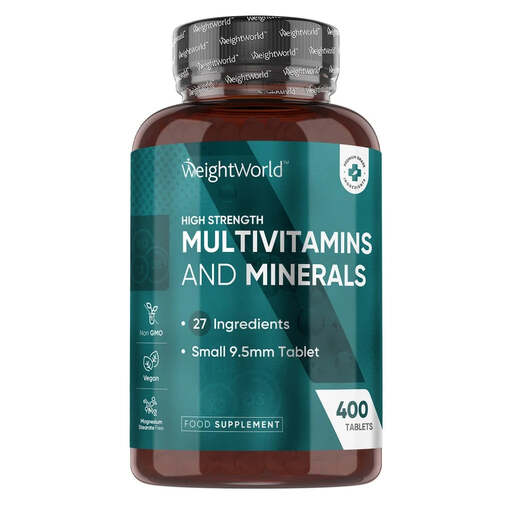
Why this choice suits this profile : One tablet a day and a long-lasting format are ideal for adults looking for a general formula without having to buy multiple bottles.
The composition and quantities are detailed per tablet, making it easier to check which vitamins and minerals are already present in your diet.
27 vitamins and minerals listed, 400 tablets, a gluten-free formula and suitable for vegan diets according to the product information.
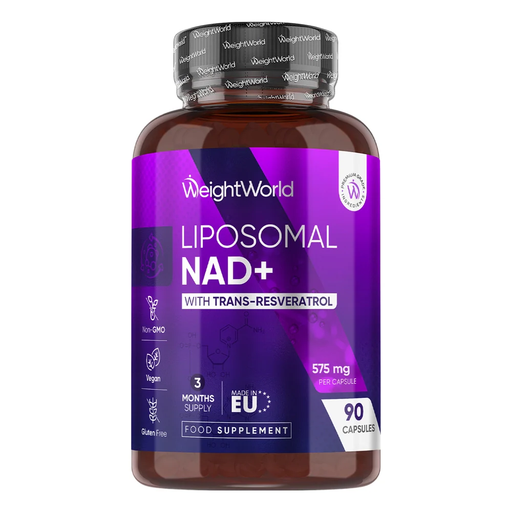
Why this choice suits this profile : This formula is designed for adults looking for a targeted composition combining NAD+ precursors, resveratrol and a phospholipid complex.
The daily dose is limited to two capsules and the quantity of each component is specified, so the product does not rely solely on a promise that cannot be quantified.
90 capsules, a neutral flavour and a combination of three clearly listed ingredient categories.
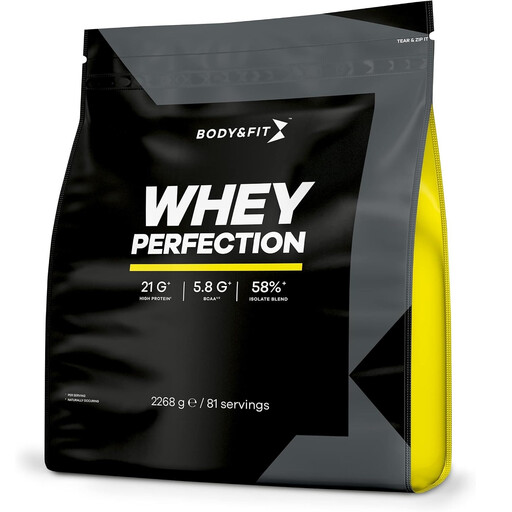
Why this choice suits this profile : Athletes and fitness enthusiasts who regularly consume protein powder can make the most of this large format, which provides around 81 servings.
Values per serving are clearly stated: 22 g of protein, 1.5 g of carbohydrates and 1.6 g of fat per 28 g of powder.
A blend of whey protein isolate, concentrate and hydrolysate, with milk and soya clearly highlighted.
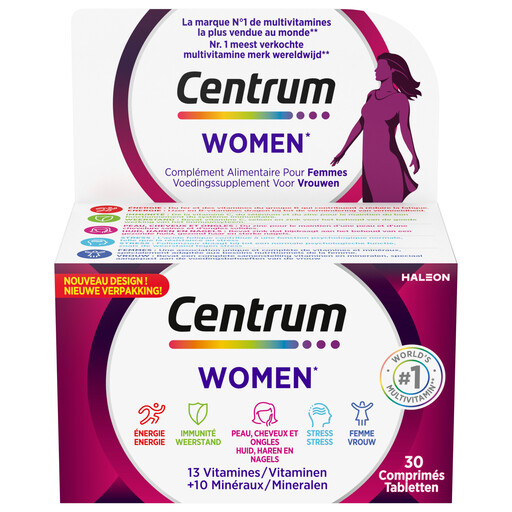
Why this choice suits this profile : Its 30-tablet format and composition, which includes iron, folic acid, calcium and vitamin D, make it easy to follow a targeted monthly routine.
The quantities are detailed per tablet: 10 mg of iron, 300 µg of folic acid, 320 mg of calcium and 10 µg of vitamin D.
13 vitamins and 10 minerals listed, with soya highlighted in the composition.
We have put together a complete, real-time updated list of products that fully meet these strict selection criteria and European safety regulations.
This is possible in some cases, but you need to compare the compositions carefully. A multivitamin may already contain magnesium, iron, calcium, vitamin D or folic acid. Combining several formulas increases the risk of duplication. Check your daily intakes and seek advice from a healthcare professional if you are taking medication.
Follow the best-before date shown on the packaging, as well as the storage instructions. Close containers properly and protect them from heat, moisture and direct sunlight. After opening, some powders must be consumed within a specific period: the casein-based medical nutrition product, for example, states that it should be used within four weeks.
Not always. Sports supplements, such as whey protein, protein bars or fruit pastes, can make it easier to obtain protein or carbohydrates depending on your training and daily routine. They are intended to complement meals, not replace them. Before buying, compare the serving size, sugar content, allergens and total quantity of product.