
Livraison le jour même ou le lendemain

Qualité garantie

Débloquez vos offres de bienvenue: Livraison GRATUITE | Jusqu'à -80 % | 30 jours d'essai gratuits à JoyPlus
Téléchargez l'application
Looking for food supplements and vitamins to complement your diet, but finding the labels confusing? High doses, claims about immunity or beauty, appealing formats and year-long courses can sometimes push the criteria that really matter into the background.
Before buying vitamin D3, a multivitamin or gummies, check the ingredients, daily dose and whether the product is suitable for your circumstances. A convenient supplement is not necessarily right for everyone.
A dosage expressed in thousands of international units, such as 4,000 IU of vitamin D3 or 10,000 IU of vitamin A, may seem appealing. However, a high dose is not automatically suitable for prolonged daily use. Vitamins A and D are fat-soluble: the body can store and accumulate them.
The WeightWorld Vitamin A product containing 10,000 IU provides 3,000 µg of retinyl acetate per tablet. Its label states that prolonged intake of more than 3,000 µg per day may pose risks. This type of supplement should therefore be used with caution, particularly during pregnancy or breastfeeding, or if you are undergoing treatment or medical monitoring.
A box of 365 tablets may reduce the cost per serving, but it also commits you to a long-term vitamin course. Start by checking the amounts per serving and any potential overlap with your other supplements.
For example, combining a multivitamin that already contains vitamin D, vitamin A, zinc or biotin with dedicated tablets may unnecessarily increase your intake. Always compare the labels before adding more products to your routine.
Vitamin gummies are easy and pleasant to take, but they often contain glucose syrup or sugar. Tablets may be more concentrated and easier to store. A liquid formula may be more suitable for people who dislike swallowing tablets, but it generally requires more care after opening.
The right format is therefore the one that fits into your daily routine: tablets, gummies, effervescent solutions and liquid vegan food supplements each come with different practical considerations.
On a European label, the NRV is the nutrient reference value for an adult. It is a useful benchmark for comparing products, but it does not replace personalised medical advice.
At 1,000 mg per tablet, a vitamin C formula is considerably more concentrated than a daily multivitamin providing around 80 to 120 mg. A vitamin C and zinc supplement combines two nutrients in a single dose, while a vitamin C-only product makes it easier to control your associated intake.
Vitamin D3, or cholecalciferol, may come from lanolin or lichen. If you are looking for a vegan food supplement, check every ingredient: a formula described as vegetarian is not necessarily vegan.
Vitamin A may be provided as retinyl acetate or beta-carotene. Vitamin K2 may be listed as MK-7. These details are not merely technicalities: they help you distinguish between products and choose a formula compatible with your dietary preferences.
Check for the possible presence of gluten, lactose, soya, gelatine, sweeteners, sugar or caffeine. For example, the Swedish Nutra liquid multivitamin contains 63 mg of caffeine per 15 ml dose: an important detail to consider if you are sensitive to caffeine.
Also read the storage instructions carefully. Some liquids must be refrigerated after opening and consumed within a specified period. Tablets and micro-tablets are generally easier to store, provided they are kept in a dry place and out of the reach of children.
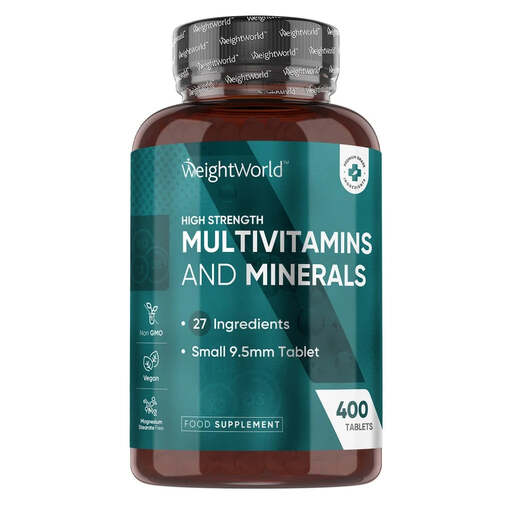
Why this choice suits this profile : One daily dose and 400 tablets give you the chance to try a multivitamin formula without having to replace the box too soon.
The ingredients and amounts per tablet are clearly stated, making it easier to compare the product with your other daily supplements.
27 vitamins and minerals, small tablets, a vegan formula and no gluten.
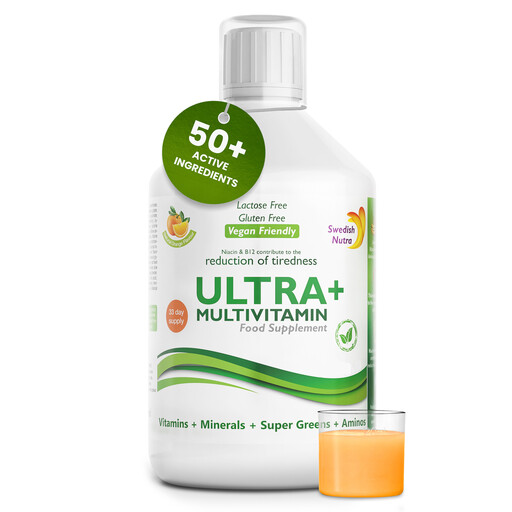
Why this choice suits this profile : Its orange-flavoured liquid format is ideal for adults who prefer to avoid tablets and are looking for a complete vegan formula.
The 15 ml dose and caffeine content are clearly stated, so you can incorporate it into your routine fully informed.
500 ml, providing approximately 33 doses, with a vegan formula free from gluten and lactose, plus vitamins, minerals and vitamin K2.
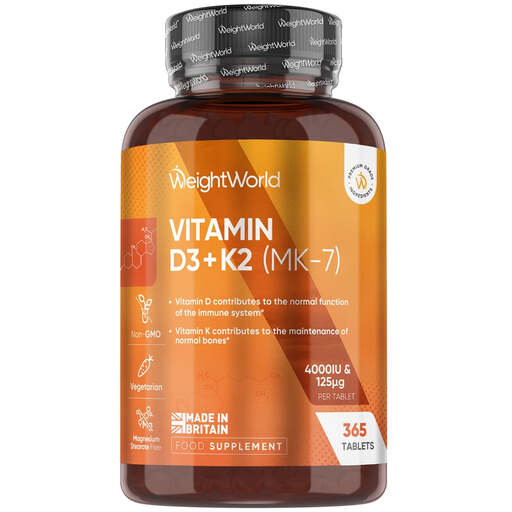
Why this choice suits this profile : This combination is designed for people specifically looking for a formula that brings together vitamins D3 and K2 in a single daily dose.
The dosages are detailed on the label: 4,000 IU of D3 and 125 µg of K2 per tablet. This transparency reduces the risk of miscalculating your intake.
365 tablets, vegetarian format, with no GMOs or magnesium stearate.
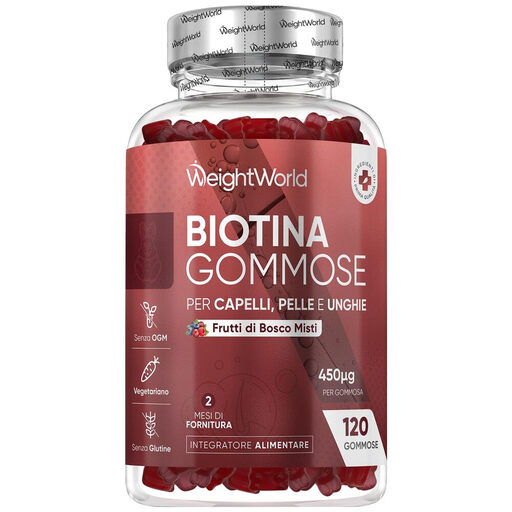
Why this choice suits this profile : People looking for biotin for their hair, skin and nails may prefer this chewable format, which avoids having to swallow a tablet.
The 450 µg content per gummy and the approximately four-month usage period are clearly stated. The product also makes no claim to treat a condition.
120 pectin gummies with raspberry flavour and a formula described as vegan.
We have selected a complete, real-time updated list of products that meet these strict criteria and European safety requirements.
Yes, provided the instructions allow it and the formula meets your needs. However, check your combined intake of vitamin A, vitamin D, zinc, iron and iodine, especially if you take several supplements.
The duration depends on the product and your nutritional goal. Some boxes contain 30 doses, while others contain 180 or 400 tablets. A long course should not be chosen solely because its cost per dose is lower: the dosage and suitability of the formula remain the priorities.
Gummies are convenient and enjoyable to chew, but they may contain sugar or polyols. Tablets often offer a more concentrated formula. Choose the format you will be able to take regularly, while checking the ingredients list and daily dose.