
Livraison le jour même ou le lendemain

Qualité garantie

Débloquez vos offres de bienvenue: Livraison GRATUITE | Jusqu'à -80 % | 30 jours d'essai gratuits à JoyPlus
Téléchargez l'application
Between the promises of instant energy, XXL dosages and “all-in-one” formulas, choosing food supplements for sport and wellbeing can quickly become a headache. An active adult, a fitness enthusiast, a runner or a combat sports practitioner all have different needs and habits.
Before buying sports supplements, three points deserve your attention: the exact composition, the amount of active ingredient per serving, and how well it fits with your lifestyle. Here’s an overview of the pitfalls to avoid and the formulas suited to different profiles.
A 300 g sachet or a bottle of 240 capsules doesn’t tell you how much active ingredient you’re actually consuming each day. Check the nutritional table and make sure you distinguish between:
A serving of BCAA might, for example, weigh 15 g but only provide 8 g of amino acids. The rest is made up of flavourings, sweeteners or texturising agents.
Some plant-based formulas display an “equivalent weight” obtained from a concentrated extract. This indication should be interpreted with caution: it doesn’t necessarily mean the capsule actually contains that amount of raw material.
To compare two supplements, check the extract ratio, the amount of active ingredient per serving, and whether a maximum dosage is clearly stated.
A formula advertised as vegan may still contain ingredients incompatible with your preferences if you don’t consider the capsule, flavourings or place of manufacture. In particular, check for:
Food supplements are not a substitute for a varied, balanced diet. If you are taking medication, are pregnant or breastfeeding, or have a health condition, seek advice from a healthcare professional before use.
Capsules and powders aren’t suited to the same uses. Capsules slip easily into a sports bag and can be taken without preparation, whether at the office or on the go. Powder offers more flexibility for adjusting your portion, but requires a glass or shaker.
For amino acids, always compare the form and quantity stated. BCAA, for example, are usually presented according to the L-leucine, L-isoleucine and L-valine ratio. A 2:1:1 formula lets you know exactly how these three amino acids are distributed.
The needs related to training, sleep or everyday vitality are not the same. Focus your research according to your priority:
The authorised claims for vitamins and minerals must be distinguished from marketing promises. Magnesium officially contributes to the normal function of muscles and to the reduction of tiredness when consumed under the conditions set out by European regulations.
People looking for vegan supplements, or those that are gluten-free or lactose-free, should consult the full product details. A hypromellose capsule can be suitable for a vegan diet, unlike a gelatine capsule. As for the “no declared allergens” mention, it doesn’t necessarily guarantee the complete absence of traces in the manufacturing environment.
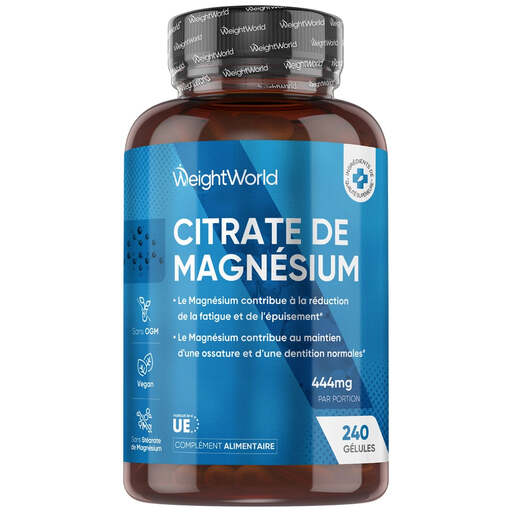
Why this choice suits this profile: With just one capsule a day, this format fits easily into a regular routine and is ideal for those who want to take magnesium without any preparation.
The product page shows the amount of elemental magnesium per capsule, rather than just the weight of the citrate. With 240 capsules, calculating the daily cost is also simpler.
222 mg of elemental magnesium per capsule, with a vegan formula, and free from gluten and lactose according to the product page.
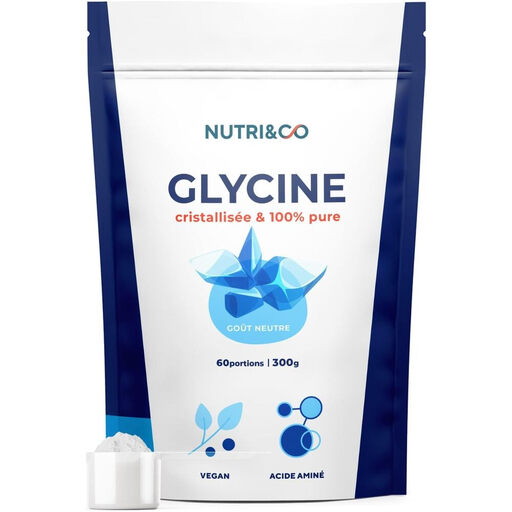
Why this choice suits this profile: This powder, made from 100% L-glycine, is aimed at adults looking for a short, vegan formula that can be easily dosed according to their needs.
The composition doesn’t hide behind an opaque blend: the stated ingredient is clearly crystallised L-glycine. The serving size and maximum dose are specified on the product page.
300 g format, free from gluten and gelatine, with no added flavourings or sweeteners, and a recommended dose of 3 to 5 g per day.
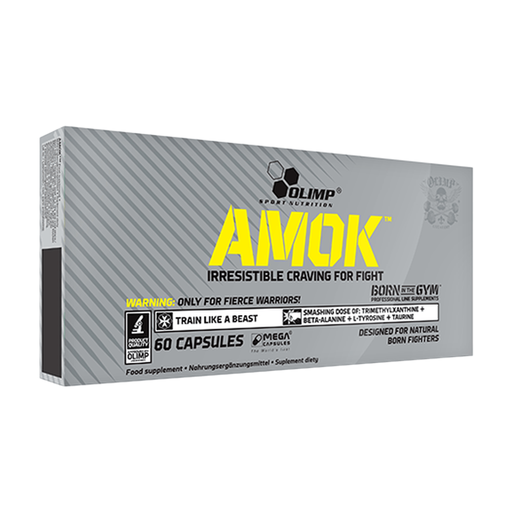
Why this choice suits this profile: This pre-workout formula is aimed particularly at active adults who practise MMA, kick-boxing or especially demanding sessions.
The caffeine content is clearly displayed: 125 mg per capsule and up to 300 mg for two capsules according to the product page. This helps you avoid unknowingly stacking several stimulants.
The formula combines taurine, beta-alanine, caffeine, guarana, magnesium and vitamin B6. It is not recommended for children, pregnant or breastfeeding women, or people with heart conditions or high blood pressure.
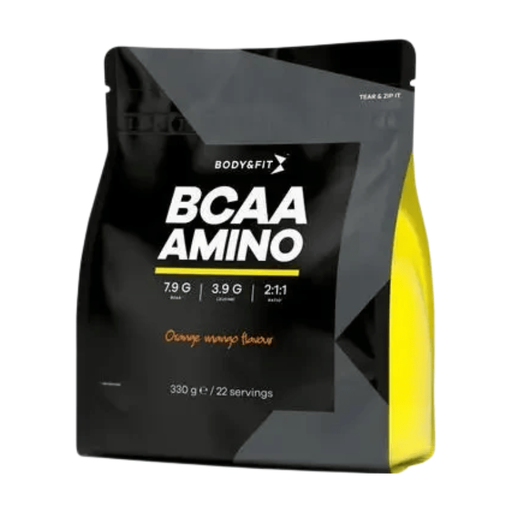
Why this choice suits this profile: The powder format will suit athletes who already use a shaker before, during or after their workout.
The serving size is clearly defined: 15 g of powder provides 8 g of BCAA in a 2:1:1 ratio. This means you can estimate the number of servings before placing your order.
330 g, providing approximately 22 servings, with a formula suitable for vegetarians and vegans according to the product page. The product contains dextrose, flavourings and sweeteners.
We’ve put together a comprehensive, regularly updated selection of products that meet these strict criteria, in line with European safety regulations.
It depends on the formula, the dosage and your goal. Some bottles contain 60, 90 or 180 servings, while a sachet of powder might cover 30 to 60 days. To compare offers, calculate the price per serving rather than the price of the container. Always stick to the dose stated on the packaging and avoid combining several products that contain the same vitamins or stimulants.
Not for everyone. A balanced diet, good hydration, sufficient sleep and a sensible training progression remain the foundations of muscle recovery. Protein, BCAA or certain amino acids can nevertheless be useful, especially when meal timing is tricky. Their value should be assessed in the context of your overall diet.
It’s possible in some cases, but you need to add up the intake from all the products you consume. Check the daily doses, particularly for vitamin B6, zinc, caffeine and magnesium. If you are on medication or have a specific condition, ask a doctor or pharmacist for advice to avoid interactions and incompatibilities.