
Livraison le jour même ou le lendemain

Qualité garantie

Débloquez vos offres de bienvenue: Livraison GRATUITE | Jusqu'à -80 % | 30 jours d'essai gratuits à JoyPlus
Téléchargez l'application
Temporary tiredness, disrupted sleep, an unbalanced diet or the desire for targeted support for your skin and hair: food supplements are becoming an increasingly common part of French consumers’ wellbeing routines. But an appealing promise on the label is not enough to make the right choice.
The most common mistakes are easy to avoid:
When comparing vitamins and minerals, focus on the amount provided per daily dose rather than just the product’s total weight. For example, WeightWorld Magnesium Citrate states that it provides 222 mg of elemental magnesium per capsule, with a recommended intake of one capsule per day. This information is far more useful than the total weight of the citrate.
The form of the supplement can also affect how easy it is to use. Options include:
Also check how many doses are required each day. A concentrated formula requiring one capsule a day is easier to fit into a busy schedule than a supplement that needs to be taken several times a day.
If you follow a vegan diet, look for the vegan claim on the product page and check the composition of the capsule shell. HPMC capsules are generally plant-based. However, this alone is not enough to classify a product as an “organic supplement”: only a clearly stated organic certification can confirm this.
Also keep an eye out for allergens:
Certification, the country of manufacture, the identity of the responsible person in the European Union and the manufacturer’s contact details are all useful details for checking a product’s traceability.
A formula containing vitamin D3 K2, zinc, iron or vitamin B6 deserves careful attention to its daily dosage. Nutrient Reference Values, or NRVs, help put the stated intake into context, but they do not replace medical advice tailored to your circumstances.
Particular care is advisable in the following situations:
Food supplements should not be used as a substitute for a varied, balanced diet. Follow the dosage stated on the packaging and ask a healthcare professional for advice if you have any doubts.
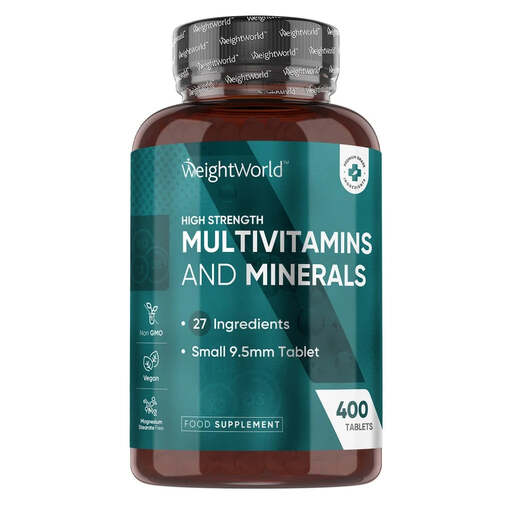
Why this choice suits this profile : An easy-to-adopt daily formula with 27 stated vitamins and minerals, supplied in a bottle containing 400 tablets.
The ingredients and one-tablet-a-day dosage make it easy to compare the cost per dose, without having to juggle several different products.
Stated vegan and gluten-free formula, small tablets and a sufficient supply to last over time.
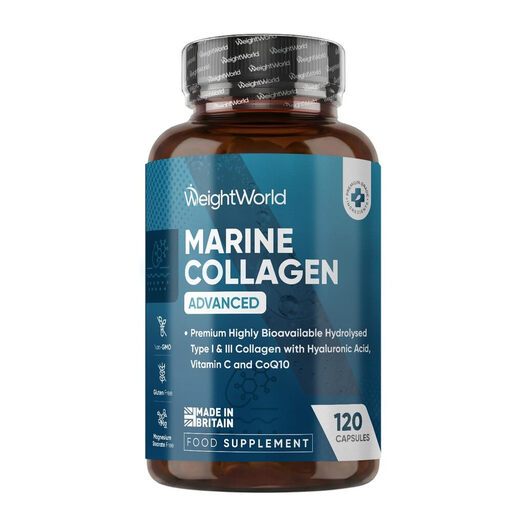
Why this choice suits this profile : A targeted formula for anyone looking for a combination of marine collagen, vitamin C, zinc, hyaluronic acid and coenzyme Q10.
The quantity is stated for a four-capsule dose, helping you avoid confusing the bottle’s total contents with the daily intake.
1170 mg of hydrolysed marine collagen per stated dose, a vegetable capsule and 80 mg of vitamin C.
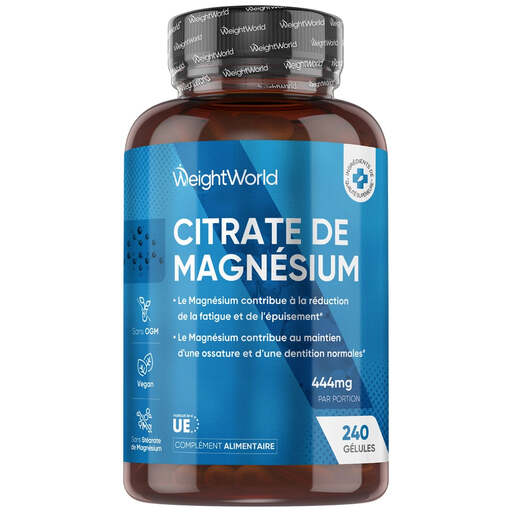
Why this choice suits this profile : A practical solution for adults who want to add a daily magnesium intake to a long-term routine.
The label clearly distinguishes magnesium citrate from the amount of elemental magnesium, a nuance that is often overlooked.
222 mg of elemental magnesium per capsule, vegan format, gluten- and lactose-free, with 240 capsules in total.

Why this choice suits this profile : A vegan formula presented as organically certified, for adults who want to add KSM-66 ashwagandha to their routine.
The product page details the amount of extract, its equivalent quantity and its standardisation to 5 % withanolides, rather than being vague about its concentration.
600 mg of organic extract per two-capsule dose, an HPMC shell and no declared allergens.
We have put together a complete, real-time updated selection of products that meet these strict criteria, as well as European safety requirements.
It all depends on the formula, dosage and desired outcome. Some bottles contain 30 doses, while others can last for several months. Before buying, calculate the number of daily doses and check the duration stated on the packaging. If you plan to use a supplement for an extended period, it is best to discuss it with a healthcare professional.
Sometimes, but start by comparing the ingredients to avoid duplicating nutrients, particularly vitamin D, zinc, magnesium, iron or vitamin B6. A multivitamin already often contains several nutrients found in a targeted supplement. Add up the daily intakes and follow the recommendations specific to each manufacturer.
No. The “vegan” claim mainly indicates the absence of animal-derived ingredients, while “gluten-free” refers to a different characteristic. These two details must therefore be checked separately on the product page and label.