
Livraison le jour même ou le lendemain

Qualité garantie

Débloquez vos offres de bienvenue: Livraison GRATUITE | Jusqu'à -80 % | 30 jours d'essai gratuits à JoyPlus
Téléchargez l'application
Looking for vitamin and mineral food supplements, but finding that all the labels start to look the same? Between claims of a “complete formula”, XXL dosages and value-size formats, it’s easy to choose a product that doesn’t match either your diet or your lifestyle.
The right choice isn’t just about the number of ingredients. Above all, you need to look at their dosage, form, length of use and the precautions to take. Here are the criteria to consider before placing your order.
A high dosage doesn’t necessarily mean greater effectiveness. A vitamin providing several hundred per cent of the NRV — the reference nutrient values — may prove unnecessary if your diet already meets your needs.
Be especially careful when combining several products: a multivitamin, vitamin D3, a zinc supplement, magnesium and vitamin B6, or a menopause formula may provide some nutrients twice over.
A bottle containing 400 tablets may seem like excellent value, but you should also check the daily dose. A box of 120 capsules lasts 40 days if the recommended intake is three per day. Conversely, a bottle of 240 capsules taken at one capsule per day can last several months.
The best measure is therefore the cost per day, not just the displayed price.
Claims such as “vegan”, “gluten-free” or “made to GMP standards” may be useful, but they don’t replace checking the ingredients. Look for allergens, the presence of soya, the source of the vitamin D3, sweeteners, and recommendations relating to pregnancy, medical treatment or blood tests.
A food supplement is not a substitute for a varied, balanced diet. If you are taking medication or have a health condition, seek advice from a healthcare professional.
For a general-purpose formula, start by checking which vitamins and minerals are actually present. A women’s multivitamin and a men’s multivitamin may differ in particular in their levels of iron, magnesium, vitamin D or zinc.
For a specific need, the form of the nutrient also matters:
Taking one dose a day makes it easier to stay consistent. Conversely, a formula requiring four tablets a day can become inconvenient, especially if it doesn’t fit your usual routine.
Pack sizes vary widely: 30 tablets for a first trial, 180 capsules for several months or 365 tablets to build up a supply. Store your supplements in a dry place, away from heat and out of the reach of children.
When choosing vegan food supplements, check the composition of the capsule or tablet, as well as the excipients. Gummies may contain sugar, while some vitamin D3 products are animal-derived. As for the “gluten-free” claim, it may suit a dietary preference without necessarily guaranteeing that the product is appropriate for a particular medical condition.
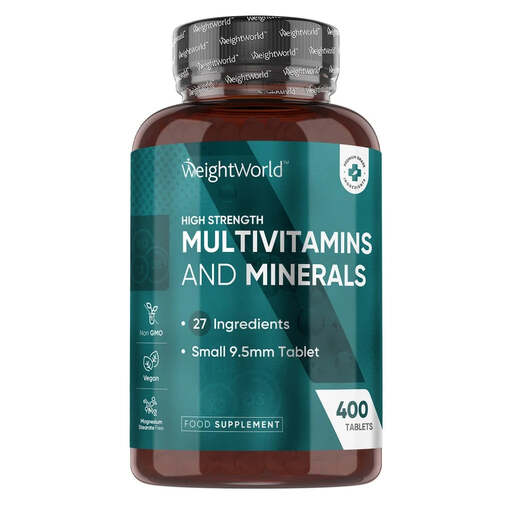
Why this choice suits this profile : A daily dose and a pack of 400 tablets suit adults who want to start with a general-purpose formula without having to buy multiple bottles.
Its long-lasting format lets you compare the cost per day rather than the price of the bottle. The formula provides 27 vitamins and minerals, with one tablet per day.
Vegan formula, gluten- and lactose-free, with vitamins C, D3 and B12, magnesium, zinc and iron.
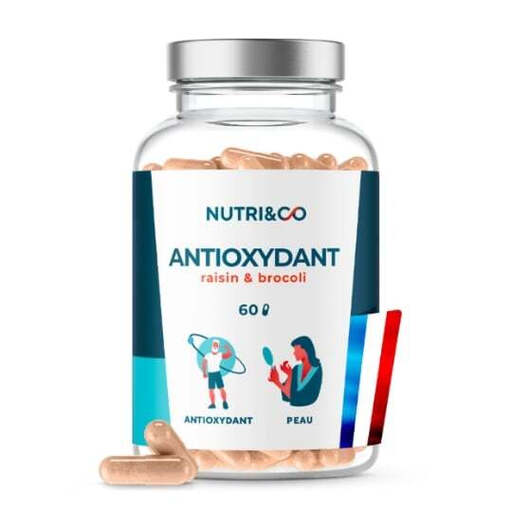
Why this choice suits this profile : This vegan formula, taken as two capsules a day, is aimed at adults looking for a detailed composition rather than a simple multivitamin.
Amounts are given for a serving of two capsules, with details of the grape-seed and broccoli extracts, coenzyme Q10 and vitamin C.
Vegan HPMC capsules, titanium dioxide-free, with 180 mg of OPC and 20 mg of coenzyme Q10 per serving.
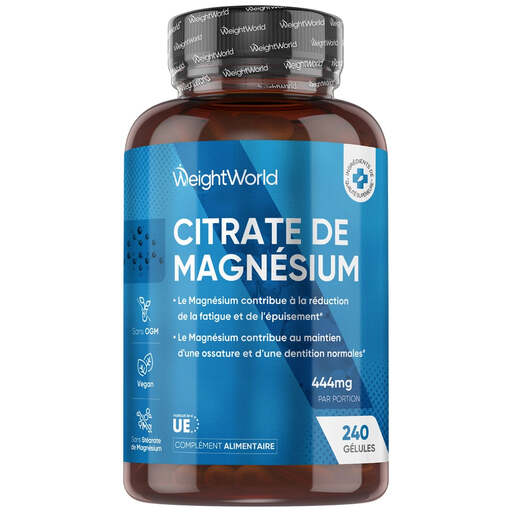
Why this choice suits this profile : People who want to target their magnesium intake may choose this daily formula, particularly as part of an active routine.
The product information states that each capsule provides 222 mg of elemental magnesium. There’s no risk, therefore, of confusing the weight of the citrate with the amount actually supplied.
240 capsules, vegan formula, gluten- and lactose-free, with 222 mg of elemental magnesium per dose.
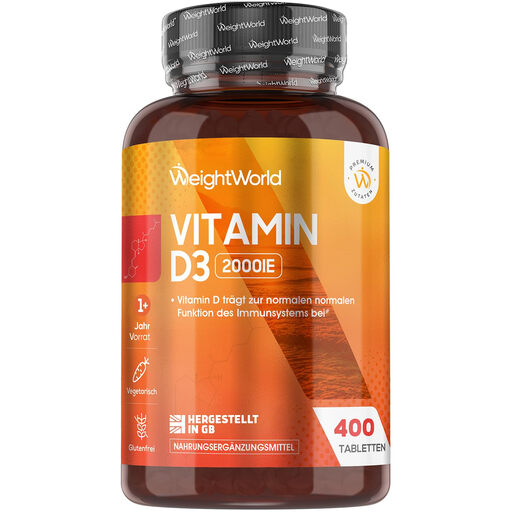
Why this choice suits this profile : One tablet a day and a large pack may suit people who want to make vitamin D3 part of their regular routine.
The dose is clearly stated: 2,000 IU, or 50 µg, per tablet. This makes it easier to compare with other sources while following the recommendations.
400 micro-tablets, vitamin D3 from lanolin, gluten-free formula suitable for vegetarians.
We’ve brought together a complete, real-time updated selection of products that meet these demanding criteria and European safety regulations.
Follow the best-before date shown on the packaging. Once opened, keep the bottle closed, in a dry place and away from light. Gummies and tablets that are sensitive to moisture require particular care.
Sometimes, but add up the amounts of vitamins and minerals supplied by each product. Vitamin D, zinc, iron, magnesium and vitamin B6 should be monitored in particular. A pharmacist or doctor can help you check that the combinations are suitable.
As a general rule, food supplements are not covered by the French public health insurance system. Their price depends on the dosage, form, number of doses and length of use. Before ordering, always compare the cost per day.