
Livraison le jour même ou le lendemain

Qualité garantie

Débloquez vos offres de bienvenue: Livraison GRATUITE | Jusqu'à -80 % | 30 jours d'essai gratuits à JoyPlus
Téléchargez l'application
Between the promises of vitality, high dosages and long-lasting formats, choosing vitamin and mineral supplements can quickly become a minefield. A multivitamin formula isn’t automatically right for everyone, and a high dosage doesn’t necessarily mean better results when taken daily.
To make an informed purchase, start by looking at the ingredients, the actual amount per dose and the usage instructions. Here are the criteria to check before choosing vitamin D3, a B-complex, zinc, iron combined with probiotics, or a formula designed for skin, hair and nails.
A bottle of 365 or 400 tablets might look like great value. But how long it lasts depends on the dosage: some products require one tablet a day, while others recommend two.
The smart move is to work out the actual number of days’ use, then compare the price per dose. The number of tablets alone isn’t enough to judge a deal.
Claims like “high strength” easily catch your eye, especially for vitamin D3, vitamin C or zinc. Yet a large dose may need extra caution if you’re on medication, pregnant, breastfeeding or have a health condition.
For example, a vitamin D3 supplement at 4,000 IU or a zinc supplement at 50 mg shouldn’t be added to your routine without checking the label and, if necessary, consulting a healthcare professional.
Vegans and vegetarians need to check not only the source of the nutrients but also the capsule shell. Some products contain lactose, gluten, gelatine or processing aids you might prefer to avoid.
Claims like vegan, gluten-free, non-GMO or magnesium stearate-free should be confirmed on the product page. Don’t rely solely on the packaging image.
Start by noting the amount of each nutrient provided by the recommended daily dose. The RNI, or reference nutrient intake, gives you a benchmark, but it doesn’t replace personalised advice.
In a multivitamin formula, pay particular attention to the levels of vitamins A, C, D3, B6, B9 and B12, as well as magnesium, iron, zinc and iodine.
If you’re feeling tired, a B-complex might seem appealing, but persistent fatigue warrants a medical opinion. Authorised health claims in the European Union state that certain vitamins contribute to normal energy metabolism or to the reduction of tiredness and fatigue. They don’t guarantee individual results.
Tablets, capsules and effervescent tablets suit different habits. Small tablets of 8 to 9.5 mm can be easier to swallow for some people. Effervescent tablets offer a more pleasant way to take them, but may contain polyols, which in excessive amounts can have a laxative effect.
The chemical form of the nutrient is also worth a look: vitamin D3 from lichen or lanolin, vitamin B12 as methylcobalamin, zinc bisglycinate or iron bisglycinate – these are all details to compare in the ingredients list.
A long-lasting format means you don’t have to reorder as often. However, once opened, the bottle must be kept tightly closed, in a dry place, away from heat and out of reach of children.
For vitamin C, protection from moisture is especially important. Also check the dosage: 180 tablets could mean three, six or nine months’ supply, depending on the daily dose.
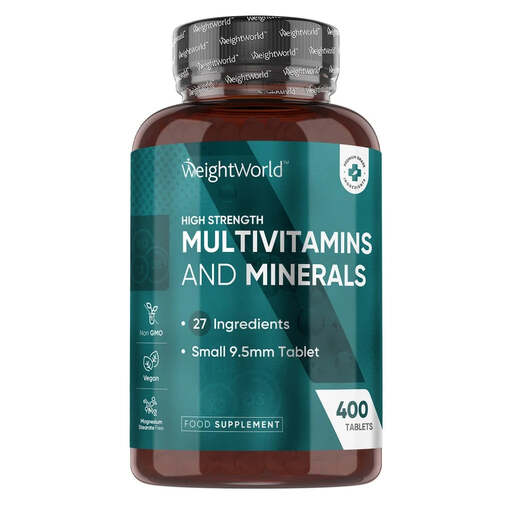
Why this product suits this profile: Just one daily tablet provides 27 vitamins and minerals. The bottle contains 400 tablets and the formula is described as vegan and gluten-free, in a compact format.
The product page details the nutrients per tablet and states up to 400 days’ use with one daily dose.
27 nutrients, peppermint-flavoured tablets and a formula described as vegan and gluten-free.
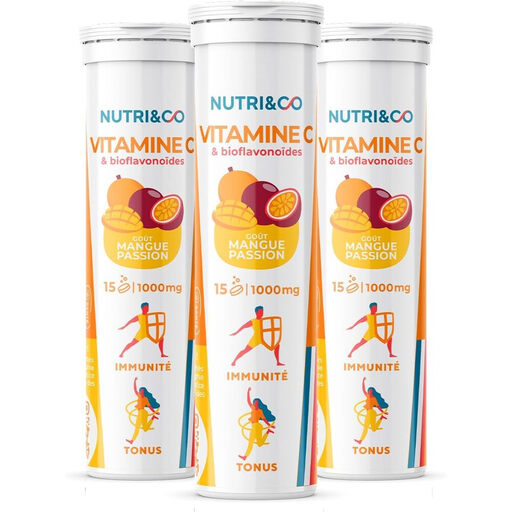
Why this product suits this profile: Its effervescent format and mango-passion fruit flavour fit easily into a routine where you prefer to dissolve your supplement rather than swallow a tablet.
The product page states 1,000 mg of vitamin C per tablet, 45 tablets in total and a vegan, gluten-free, lactose-free formula with no added sugars.
A pack of three tubes, orange bioflavonoids and a traceability QR code mentioned by the manufacturer.
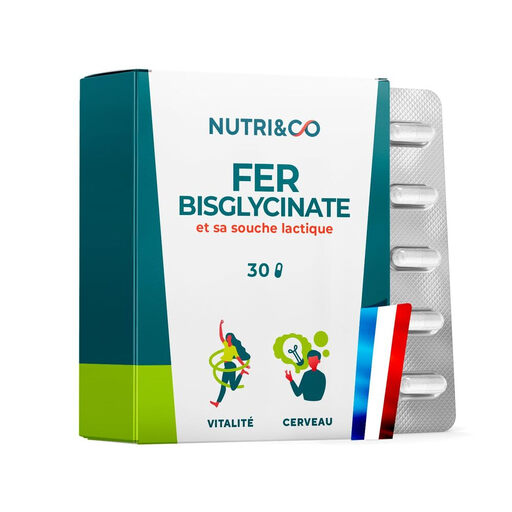
Why this product suits this profile: This targeted formula combines 14 mg of iron, 40 mg of vitamin C and a strain of Lactobacillus plantarum in a vegan capsule.
The product page specifies situations that require medical advice, including iron overload, certain types of anaemia and pregnancy.
14 mg of iron bisglycinate, vitamin C and 500 million CFU of Lactobacillus plantarum per capsule.
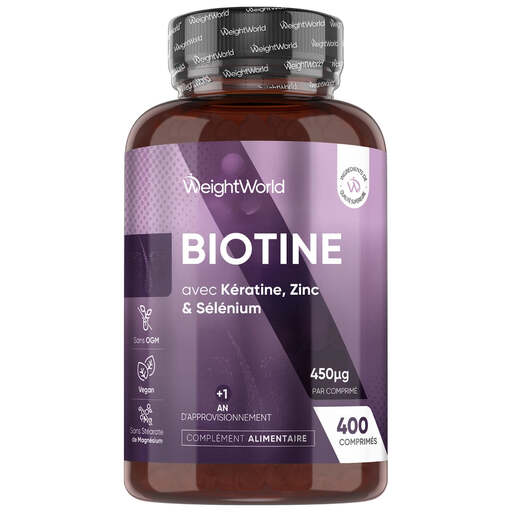
Why this product suits this profile: This formula combines biotin, zinc, selenium and hydrolysed keratin. It’s aimed at adults looking for a supplement for hair, skin and nails that’s easy to incorporate into daily life.
The ingredients and daily dose are clearly stated. The formula is described as vegan, gluten-free and lactose-free.
400 tablets, a simple daily dose and the presence of biotin, zinc and selenium.
We’ve put together a comprehensive, real-time selection of products that meet these exacting criteria, while taking European safety regulations into account.
It depends on the nutrient, the dosage and your individual situation. A long-lasting bottle can be convenient, but prolonged use of iron, high-dose zinc or vitamin D3 should be assessed with a healthcare professional.
It’s possible in some cases, but you need to add up the intake from each product. A multivitamin formula often already contains vitamin C, zinc, iron or B vitamins. Check the labels to avoid unnecessary duplication.
Look for an explicit vegan or vegetarian claim, as well as a gluten-free indication on the product page. Also check the source of the vitamin D3 and the composition of the capsule shell.