
Livraison le jour même ou le lendemain

Qualité garantie

Débloquez vos offres de bienvenue: Livraison GRATUITE | Jusqu'à -80 % | 30 jours d'essai gratuits à JoyPlus
Téléchargez l'application
Food supplements cater to a wide range of needs: vitamins and minerals, sports recovery, sleep, stress management, hair and skin beauty, or menstrual comfort. But an attractive package alone isn’t enough to make a wise choice.
Three common pitfalls keep cropping up among British shoppers:
Always compare the information for the daily serving, not just for one tablet or capsule. The reference intake (RI) values help you see how much of a vitamin or mineral a product provides compared with an adult’s reference needs.
For a multivitamin formula, check in particular:
Multivitamins for men and for women are not necessarily interchangeable. Some formulas designed for women contain more iron, while a product for men over 50 may have different levels of vitamin D, magnesium or iron. That doesn’t mean one formula automatically suits everyone.
A formula marketed as “marine collagen” may also contain vitamin C, biotin, hyaluronic acid or zinc. Look at the exact amounts, the origin of each ingredient and the allergens. Because marine collagen comes from fish, it isn’t suitable for anyone with a seafood allergy.
For whey protein, compare the protein content per serving, the presence of milk and soya, and the carbohydrate and fat levels. A 30 g serving of Optimum Nutrition Gold Standard 100 % Whey provides 24 g of protein in the chocolate flavour, compared with 23.7 g for the vanilla version. The composition can vary depending on the flavour.
For vegan food supplements, check for a vegetable capsule, pectin in gummies and the absence of animal-derived ingredients. The absence of gluten or lactose should also be confirmed on the label, rather than assumed from the format or product image.
The format should fit into your routine. Powders mix easily into water, chewable tablets can suit people who struggle to swallow capsules, and stick packs slip neatly into a bag for taking at the office or on the go.
A few examples:
Products made in Japan, such as certain ORIHIRO references, typically state the country of origin, the daily serving and storage conditions. The ORIHIRO Calcium + Lactic Acid Bacteria formula provides 350 mg of calcium per five tablets and contains milk. The ORIHIRO Iron + Folic Acid reference supplies 10 mg of iron per four tablets and contains several B vitamins. In both cases, the European label and usage precautions should remain your priority.
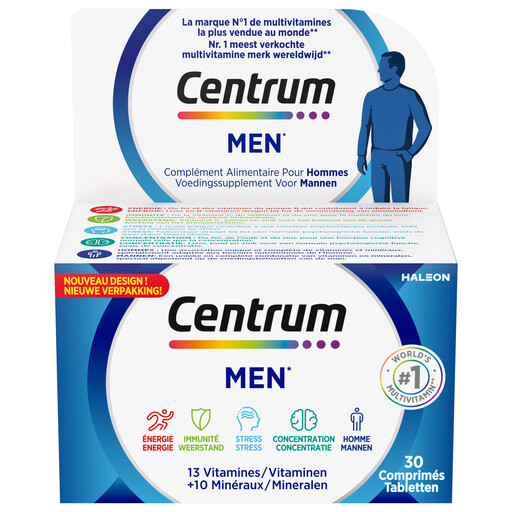
Why this choice suits this profile: A single daily tablet makes it easy to incorporate a basic formula into a simple routine, especially for adult men.
The composition and intakes are detailed per tablet, so you don’t rely solely on the number of nutrients advertised on the front of the pack.
13 vitamins and several minerals, including 120 mg of vitamin C, 120 mg of magnesium and 5 µg of vitamin D per tablet.

Why this choice suits this profile: The liquid format in individual stick packs is ideal for those who prefer a ready-to-drink, simple and consistent daily intake.
The serving is clearly defined as one 25 ml stick, with the amounts of collagen, biotin, vitamin C and vitamin D stated.
30 sticks of 25 ml, 12,500 mg of hydrolysed marine collagen per serving and 50 µg of biotin.
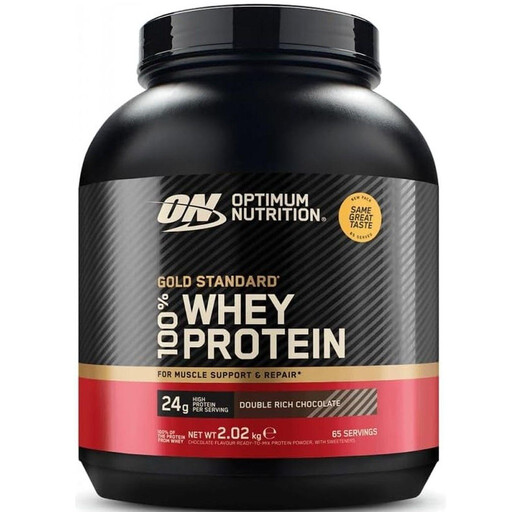
Why this choice suits this profile: The large 2.02 kg tub is aimed at regular gym-goers who consume protein after training or between meals.
The protein content is stated per 30 g serving, while the presence of milk and soya lecithin is clearly flagged.
24 g of protein per serving in the chocolate flavour and up to 65 servings claimed for the 2.02 kg pack.
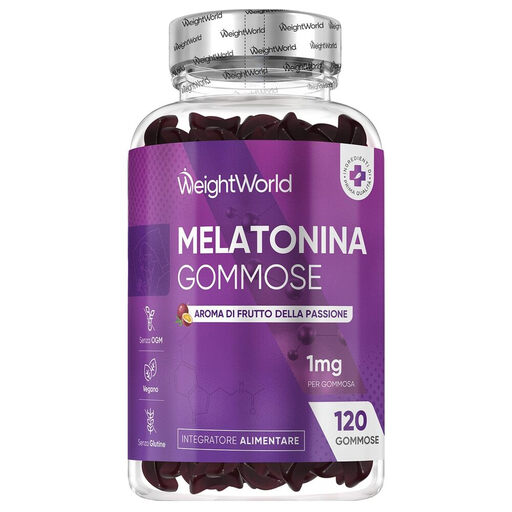
Why this choice suits this profile: The chewable format fits easily into an evening routine, provided you stick to the stated dose and timing.
The dose is limited to one gummy per day, with 1.9 mg of melatonin and a recommendation to take it around 30 minutes before bedtime.
120 gummies, a vegan formula with no gluten or lactose, plus vitamin B6 and passionflower extract.
We’ve put together a comprehensive, real-time updated list of products that meet these strict selection criteria and European safety regulations.
It’s possible in some cases, but you need to add up the vitamin and mineral intakes to avoid overlaps. Pay particular attention to the amounts of iron, vitamin D, zinc, magnesium and vitamin B6. If you’re on medication, pregnant, breastfeeding or have a health condition, seek advice from a healthcare professional.
The duration depends on the formula, the recommended serving and your goal. A box of 30 tablets typically lasts 30 days when the dose is one tablet per day. A product containing 120 gummies can cover four months if only one gummy is recommended daily. Follow the duration stated on the packaging and respect the best-before date.
No. They can complement your diet in certain situations, but they don’t replace varied meals, proper hydration or a balanced lifestyle. To choose wisely, compare the composition, reference intakes, allergens, format and usage precautions, rather than relying on general promises on the packaging.