
Livraison le jour même ou le lendemain

Qualité garantie

Débloquez vos offres de bienvenue: Livraison GRATUITE | Jusqu'à -80 % | 30 jours d'essai gratuits à JoyPlus
Téléchargez l'application
Food supplements shouldn’t be chosen based solely on a promise printed on the packaging. Between high-dose multivitamins, powders designed for athletes, plant extracts and “long-course” formats, it’s easy to end up with a product that doesn’t really match your needs.
Three common pitfalls keep cropping up:
A food supplement is not a substitute for a varied diet or medical advice. If you are pregnant, have a chronic condition, are on medication or suspect a deficiency, please consult a healthcare professional.
Compare the amount of active nutrient per serving, rather than just the total product weight. For a magnesium citrate supplement, for example, you need to distinguish the weight of the citrate from the amount of elemental magnesium. The WeightWorld reference provides 222 mg of elemental magnesium per capsule, with one capsule per day.
For vitamins and minerals, also look at the NRV (Nutrient Reference Value). Exceeding 100 % of the NRV is not necessarily a mark of quality or a deciding factor. Your diet, age and individual recommendations are often far more important.
Combination formulas also call for caution: zinc magnesium vitamin B6, multivitamins, vitamin D3 K2 or selenium may duplicate other products you’re already taking.
The most practical format really depends on your habits:
Remember to calculate the cost per day or per serving. A box of 120 WeightWorld gummies, designed to last around four months at one gummy a day, can’t be directly compared to a bottle of 30 tablets.
Choose products with a clear ingredient list, the identity of the manufacturer or responsible party established in the European Union, and explicit storage conditions. Claims like vegan, gluten-free, organic or GMP should be verified on the product page and are not, on their own, a guarantee of effectiveness.
For plants and extracts, standardisation can make it easier to compare different products. Nutri&Co’s organic KSM-66 ashwagandha, for instance, provides 600 mg of extract per day with 5 % withanolides. Shilajit resin, on the other hand, requires precise dosing: the WeightWorld product includes a spatula and recommends a daily dose of 800 mg.
Needs vary depending on budget, diet, sporting activity and the intended duration. Here is a selection based on the composition and format information provided.
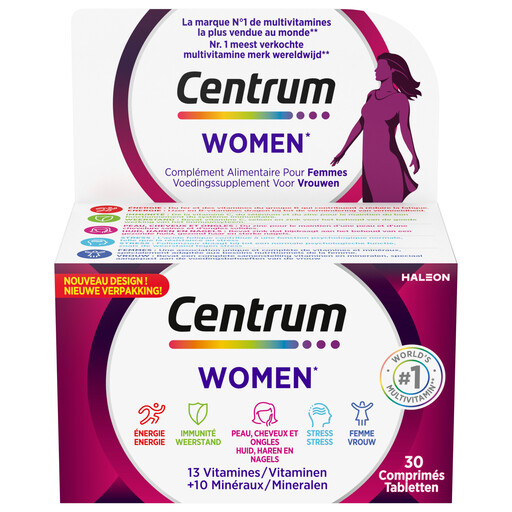
Why this choice suits this profile: A once-daily dose and a 30-tablet format let you start a monthly course without investing in a large pack.
The detailed composition lets you examine the 13 vitamins and 10 minerals separately, rather than relying on a blanket promise.
One tablet a day, containing iron, calcium, magnesium, zinc and selenium among others.
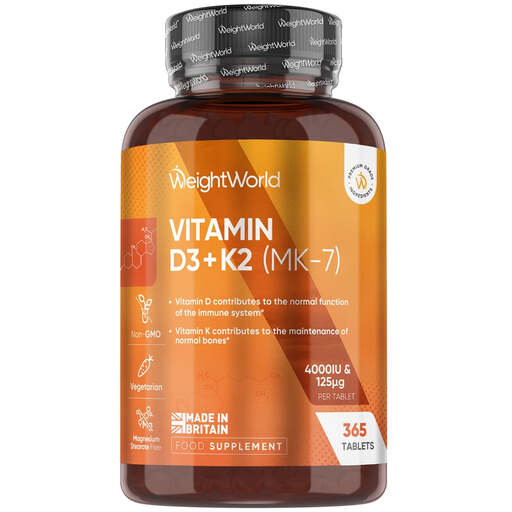
Why this choice suits this profile: The year-long bottle is ideal for those who prefer to plan their routine and minimise reordering.
The dose per tablet and the total number of servings are clearly stated: 365 tablets, at one per day according to the product page.
The combination of vitamins D3 and K2 MK-7, a vegetarian formula and manufacture to stated GMP standards.
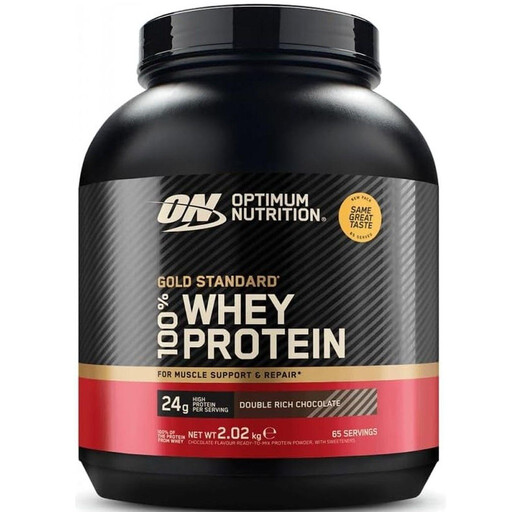
Why this choice suits this profile: Regular athletes can measure out a serving after training or between meals, depending on their daily diet.
The product page states 24 g of protein per 30 g serving, along with the presence of milk and soya. Anyone with allergies can therefore rule it out with full knowledge.
A 2.02 kg format, approximately 65 servings and a blend of whey isolate, concentrate and hydrolysate.
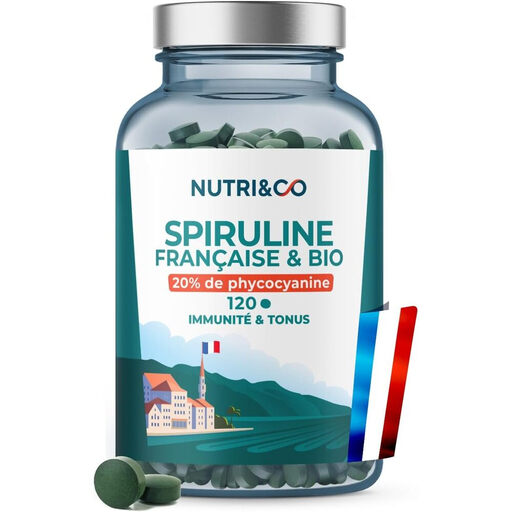
Why this choice suits this profile: This organic spirulina, produced and packaged in France, is ideal for those looking for a vegan and gluten-free formula.
The product page states a 100% organic spirulina composition, with no additives or excipients, and an Ecocert AB certification.
120 tablets, an adult serving set at 6 tablets and a stated heavy metal analysis.
Other products may meet more specific needs: biotin for hair, skin and nails, L-citrulline, BCAA, protein bars, milk thistle, liposomal glutathione or slimming tea. For plants such as organic ashwagandha, shilajit resin and milk thistle, read the contraindications carefully and do not automatically combine them with any medication.
We have put together a comprehensive, real-time updated selection of products that meet these demanding criteria and European safety requirements.
It is possible in some cases, but start by comparing the ingredients to avoid duplication. A multivitamin may already provide zinc, magnesium, vitamin D or selenium. Check the cumulative doses and ask a healthcare professional for advice if you are on medication or have a medical condition.
It all depends on the product and the recommended dose. Some products are designed for 20 days, others for six months or a year. Always follow the instructions, the daily dose and the use-by date. A long course never justifies exceeding the stated dose.
No. Whey protein, BCAA, L-citrulline or protein bars can make it easier to organise meals around physical activity, but they do not replace a balanced diet. Before buying, always compare the protein content, the amount of sugar, the allergens and the actual recommended serving.