
Livraison le jour même ou le lendemain

Qualité garantie

Débloquez vos offres de bienvenue: Livraison GRATUITE | Jusqu'à -80 % | 30 jours d'essai gratuits à JoyPlus
Téléchargez l'application
Between the promises of immune support, reduced fatigue and beautiful hair, choosing a food supplement based on vitamins and minerals can quickly become a headache. A high-strength formula isn’t necessarily the right one for you, and a large number of tablets doesn’t guarantee better nutritional coverage.
Before you place your order, here are the main pitfalls to avoid and the criteria to compare.
Some products display impressive percentages of the Nutrient Reference Value (NRV). Certain vitamin B12 formulas claim 40,000% of the NRV, while vitamin D3 tablets can reach 4,000 IU. These figures need to be put into context: they are not a personalised recommendation.
Combining a multivitamin, a magnesium supplement and a vitamin C and zinc formula can also lead to an accumulation of certain nutrients. Always check the daily intakes and maximum doses stated on the packaging.
Swallowable tablet, chewable gummy, capsule or liquid solution: each format suits different habits. Gummies are pleasant to take, but sometimes contain sugar or sweeteners. Liquid solutions are suitable for people who struggle to swallow tablets, but often need to be refrigerated after opening.
For a supplement taken daily, consistency also matters. A simple-to-use formula is much easier to fit into an already busy routine.
Terms like “natural”, “fast absorption” or “advanced formula” never replace a careful read of the label. Check the form of the vitamin or mineral, the amount per dose, the excipients, the allergens and the actual number of servings per bottle.
Nutrition and health claims authorised in the European Union should be distinguished from vaguer commercial promises. A food supplement does not replace a varied diet or medical supervision.
Compare the values per daily dose, not just the total quantity in the bottle. A vitamin C formula may provide 1,000 mg per tablet, while a multivitamin offers a more moderate dose spread across several vitamins and minerals.
For vitamin D3, check the unit used: IU and micrograms (µg) are not interchangeable. As a guide, 2,000 IU equals 50 µg. High dosages require extra caution, especially if you are on medication or have a health condition.
Depending on your needs, look for a consistent composition:
A multivitamin formula can be convenient, but it doesn’t always provide a significant amount of a given nutrient. Conversely, a targeted supplement helps you avoid accumulating ingredients you don’t actually need.
A bottle of 400 tablets can last over a year at one tablet per day, while a tube of 15 effervescent tablets is better suited to a short course or occasional use. Also check for gluten-free, lactose-free, vegan or gelatin-free labels, without assuming they apply automatically to an entire brand’s range.
Pregnant or breastfeeding women, people taking anticoagulant medication or undergoing long-term treatment should seek advice from a healthcare professional before any supplementation. Depending on your situation, vitamin K2, high-dose vitamin D and biotin may require particular attention.
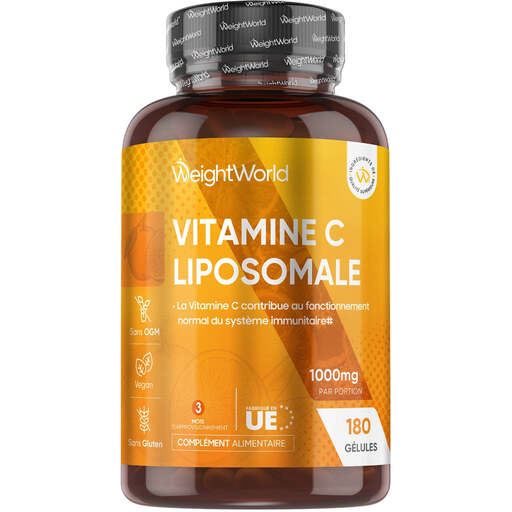
Why this choice suits this profile: A simple combination of two nutrients, with a daily dose and a 180-tablet format. Enough to get started without buying multiple bottles.
The ingredients are easy to read: 1,000 mg of vitamin C and 10 mg of zinc per tablet, sugar-free and suitable for vegans. Comparing it with other products is therefore straightforward.
180 tablets, a vegan formula, scored tablets and no added sugar according to the product listing.
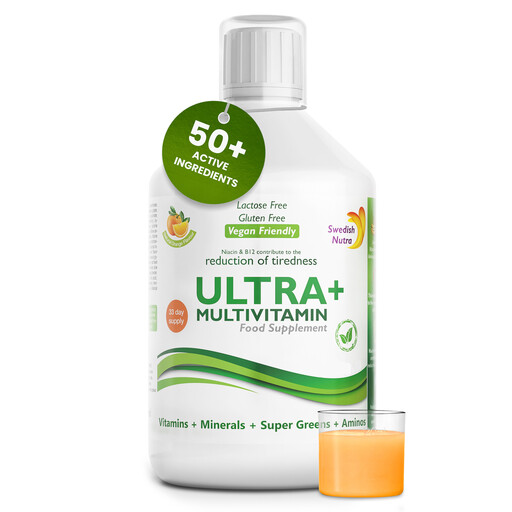
Why this choice suits this profile: The liquid format is ideal for adults who want to combine several vitamins and minerals in a measured 15 ml dose.
The dose is given in millilitres and the bottle states the duration of use. However, be aware of the caffeine content and remember to refrigerate after opening.
A vegan formula, gluten-free and lactose-free, with vitamins C, D3 and B12, biotin, zinc, magnesium and K2, all in an orange-flavoured liquid.
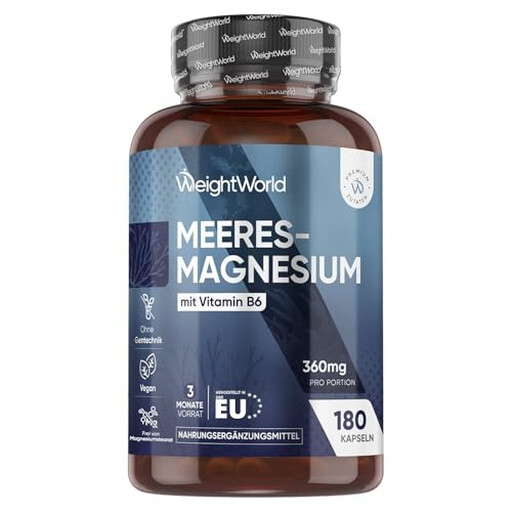
Why this choice suits this profile: This targeted formula is designed for people who want to precisely monitor their magnesium and vitamin B6 intake.
The listing clearly states 360 mg of magnesium and 2 mg of vitamin B6 per 2 capsules. This allows you to compare the actual dose with that of a multivitamin.
180 capsules, a vegan formula, gluten-free and lactose-free, with 90 servings stated.
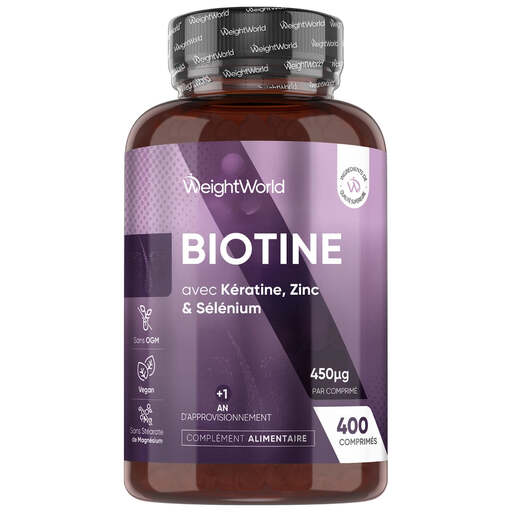
Why this choice suits this profile: A targeted formula for adults looking for a supplement for hair, skin and nails, with an easy daily dose.
The presence of biotin, zinc, selenium and keratin is clearly detailed in black and white, rather than hidden behind a vague beauty promise.
400 tablets, a vegan and gluten-free format, with a dose of one tablet per day according to the product listing.
We have put together a comprehensive, real-time selection of products that meet these strict criteria and European safety requirements.
It is possible in some cases, but you must add up the intakes from each product. A multivitamin that already contains zinc, vitamin D or magnesium may make a separate supplement unnecessary. Read the labels carefully and seek advice from a healthcare professional if you are on medication.
It depends on the format and the recommended dose: allow 15 days for a pack of effervescent tablets, 45 days for some gummies, or several months for bottles of 180 to 400 tablets. Stick to the stated dose and do not prolong targeted supplementation without a clearly established reason.
No. The term “vegan” only means the product contains no animal-derived ingredients. It does not guarantee the absence of gluten or lactose. These characteristics must be stated separately on the packaging or in the product listing.