
Livraison le jour même ou le lendemain

Qualité garantie

Débloquez vos offres de bienvenue: Livraison GRATUITE | Jusqu'à -80 % | 30 jours d'essai gratuits à JoyPlus
Téléchargez l'application
Persistent fatigue, a plant-based diet, a craving for gummies or looking for an immune-support supplement: everyone’s needs are different. Yet packaging often mixes together numerous active ingredients and high dosages, making it hard to compare.
Before buying vitamin and mineral food supplements, three pitfalls deserve your attention:
Always compare the amount provided by the recommended dose, not a theoretical serving that can vary from brand to brand. The NRV (Nutrient Reference Value) indicates the reference amount of a nutrient for an adult. It offers a useful benchmark, but is not a personalised medical recommendation.
A multivitamin formula can work for daily use when the intakes are spread across several vitamins and minerals. Conversely, a product focused on vitamin B12, magnesium or zinc should address a clearly identified need. Above all, avoid stacking several products that contain the same nutrients.
The chemical or nutritional form usually appears in the ingredients list: ascorbic acid for vitamin C, zinc citrate, magnesium oxide or cyanocobalamin for vitamin B12, for example. The term marine magnesium describes a source derived from sea salts, but you still need to check the form of magnesium and the stated elemental amount.
To choose a vegan food supplement, look for a vegetable capsule, pectin in gummies and an explicit statement of compatibility with a vegan diet. Claims like “gluten-free” and “lactose-free” should also be verified on the label, rather than assumed from the product format.
Follow the stated daily dose, storage conditions and minimum recommended age. Products containing iron, potassium or high doses of vitamin C require extra caution if you are on medication, pregnant, breastfeeding, have kidney disease or specific medical history.
Iron and vitamin C for children should only be considered by strictly following the stated age and, if necessary, after seeking advice from a healthcare professional. Gummies must be kept out of reach of children, even if they look like sweets.
The following products stand out for their format, stated composition and intended use. They are not a substitute for a varied diet or medical advice.
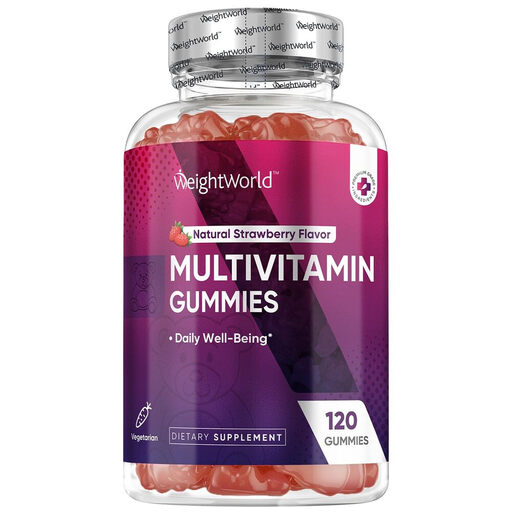
Why this choice suits this profile: The chewable format makes it easy to adopt a daily routine, with two gummies per day and 13 declared vitamins and minerals.
The product page states the quantities for two gummies. This lets you compare the actual recommended serving, rather than relying on the number of active ingredients alone.
Pectin-based formula, strawberry flavour, vitamins A, C, D3 and E, B vitamins, zinc and iodine.
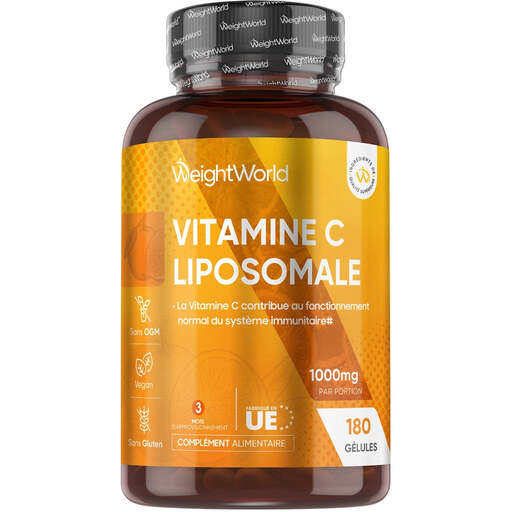
Why this choice suits this profile: This product is aimed at consumers who care about the delivery form and are looking for a tasteless vitamin C in vegetable capsules.
The description clearly states that the 1,000 mg dose corresponds to two capsules, with added sunflower phospholipids and rosehip extract. This makes the actual dose consumed much easier to assess.
Vegan formula, gluten-free and tasteless, 180 capsules, vitamin C in the form of L-ascorbic acid.
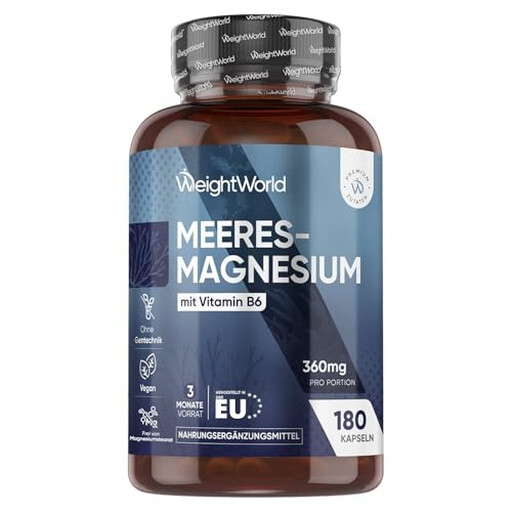
Why this choice suits this profile: Two capsules provide 360 mg of magnesium and 2 mg of vitamin B6, with a stated supply lasting around three months.
The product page details the amount corresponding to two capsules and specifies that it is magnesium oxide derived from sea salt. This information prevents confusion between the compound weight and the stated magnesium amount.
Vegan formula, gluten-free, lactose-free and sugar-free, with 180 capsules and vitamin B6.
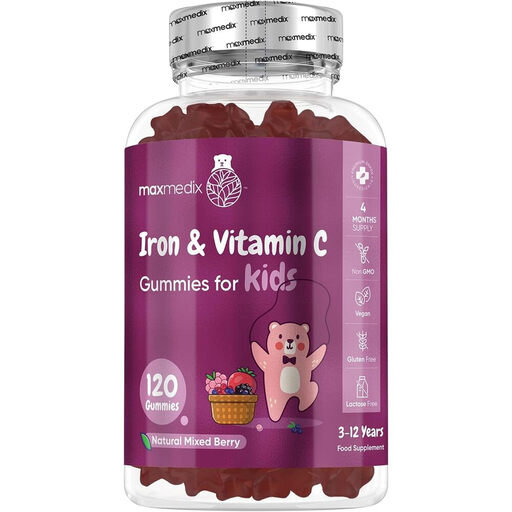
Why this choice suits this profile: The formula is stated for children aged 3 to 12, with one chewable sweet per day and a peach flavour.
The recommended age, the dose per sweet and the amounts of iron and vitamin C are all stated separately. This clarity reduces the risk of giving a child a serving intended for a different audience.
7 mg of iron and 10 mg of vitamin C per sweet, vegan recipe and gluten-free according to the product page.
We’ve put together a comprehensive, real-time updated list of products that meet these demanding selection criteria and European safety regulations.
An oral food supplement and a topical skincare product serve different purposes. To hydrate the skin and revive its radiance, a mask or serum may contain a vitamin C derivative, hyaluronic acid or niacinamide. Read the INCI list, check your skin’s tolerance and apply sun protection in the morning. Cosmetic claims should be taken as usage indications, not medical promises.
Fatigue can have many causes. Vitamins B12 and C, as well as magnesium, play recognised nutritional roles when consumed in sufficient amounts. However, a supplement marketed for energy or fatigue won’t identify the underlying cause. Check your intake, avoid overlaps and seek advice from a healthcare professional if fatigue persists.
It’s possible in some cases, but formulas can overlap. Add up the amounts of vitamin C, zinc, iron, vitamin D or B12 present in each product, then stick to the stated doses. Potassium citrate, iron and high doses of vitamin C require extra caution if you are on medication or have a health condition.
Follow the best-before date and the manufacturer’s instructions. Seal gummies, powders and capsules tightly, then store them in a cool, dry place out of reach of children. Any change in smell, colour or texture, as well as exposure to moisture, should mean you do not use the product.