
Livraison le jour même ou le lendemain

Qualité garantie

Débloquez vos offres de bienvenue: Livraison GRATUITE | Jusqu'à -80 % | 30 jours d'essai gratuits à JoyPlus
Téléchargez l'application
Bloating after meals, irregular bowel movements or a feeling of heaviness: food supplements for digestion cater to a wide range of needs. The promises printed on the packaging alone aren't enough to make the right choice. The strain of a probiotic, the amount of fibre, or even the timing of your dose can make a real difference to how well a formula works for you.
Here are the key factors to consider before buying, along with a selection of products suited to different user profiles.
A high CFU count — that's "colony-forming units" — might look reassuring, but it's not enough to compare two products. When choosing a probiotic supplement, pay close attention to the strains used, their quantity per daily dose, and the storage conditions.
A blend designed to support gut flora may combine several lactobacilli and bifidobacteria, whereas a more targeted formula might rely on a single strain. These products aren't necessarily intended for the same purpose.
A box of 60 capsules doesn't necessarily cover 60 days. Depending on the instructions, you may need to take one, two or three per day. So compare the number of servings, the daily cost, and the length of use the pack actually covers.
The same caution applies to probiotic gummies: two gummies may make up the daily dose, sometimes with added sugar or glucose syrup in the recipe.
A food supplement is not a medicine. It should not be presented as being able to diagnose, treat or prevent a disease. Claims like "detox", "flat tummy" or "fat burner" should therefore be taken with a pinch of salt. The ingredients, usage precautions and authorised claims within the European Union remain your best points of reference.
When comparing probiotic capsules, check the following:
Prebiotics, such as inulin or FOS, are fibres that can accompany a probiotic formula. However, they aren't always well tolerated by sensitive individuals. Start by sticking to the recommended dose, without trying to increase it too quickly.
A supplement containing digestive enzymes shouldn't be compared by milligrams alone. The activity units — DU for amylase, HUT for protease, or FIP for lipase, for example — give a much clearer picture of the formulation.
The Nutri&Co product, for instance, combines amylase, protease, cellulase, lactase and lipase with fennel, peppermint and ginger. Its product sheet recommends taking it before meals and highlights several situations where medical advice is needed, including pregnancy, breastfeeding and certain bile-related conditions.
Psyllium husk fibres absorb water. It's therefore essential to take them with a large glass of water and to make sure you stay well hydrated. Don't choose a psyllium product just because it's organic: also check the amount per serving and the number of capsules you need to take.
Organic ginger for digestion can be a good option for those who prefer a botanical in capsule form. However, it's a herbal ingredient, not a one-size-fits-all solution. Read the warnings carefully, especially if you're on medication or have a sensitive digestive system.
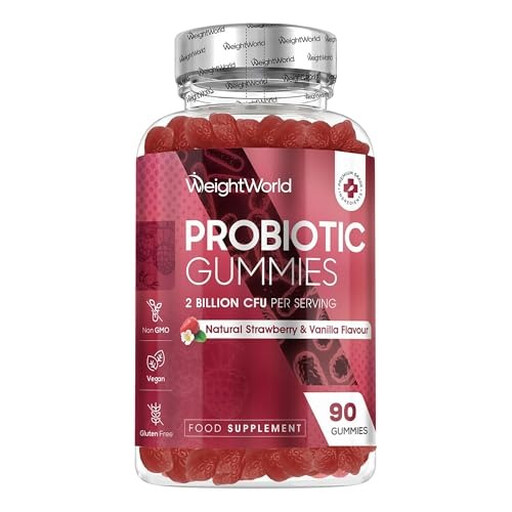
Why this suits this profile: The chewable format is ideal for adults who prefer to avoid capsules and take their supplement with a meal. The bottle contains 90 gummies, providing 45 days of use at the recommended dose.
The dose is clearly set at two gummies per day, providing 2 billion CFU of Bacillus coagulans and 100 mg of inulin per serving.
A vegan format, free from gluten and GMOs according to the product sheet, with a strawberry-vanilla flavour.

Why this suits this profile: This formula is designed for those who want to scrutinise the strains, dosage and release mechanism of a probiotic intended for the gut microbiome.
The product sheet details eight strains, 60 billion CFU per two-capsule dose, and an acid-resistant vegetable capsule.
A vegan formula, free from gluten and soya, made in France according to the information provided by the brand.
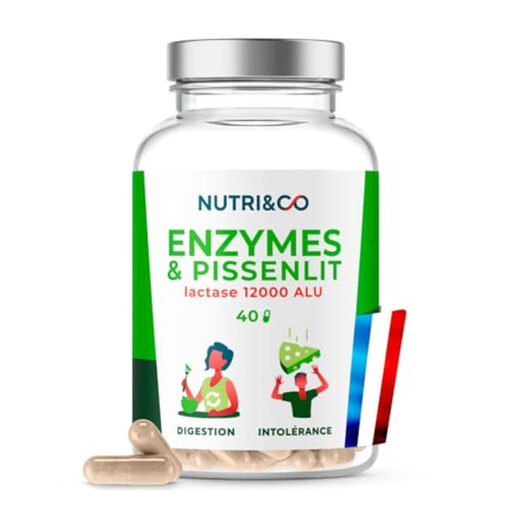
Why this suits this profile: Its recommended use before meals and its combination of enzymes and botanical extracts may suit those looking for a formula focused on digestive comfort after eating.
The activity units are specified for amylase, protease, lactase, lipase and cellulase, rather than relying solely on total weight.
HPMC vegetable capsules, free from titanium dioxide and artificial colours according to the description.

Why this suits this profile: This format is aimed at adults looking for a simple, water-free option, with a cranberry flavour and a formula presented as tailored to women's needs.
The serving is set at two gummies per day, with four strains and 2 billion CFU per serving, plus a full list of ingredients.
A vegan format, free from gluten and lactose according to the product sheet, with 90 gummies providing 45 servings.
We've selected a full range, updated in real time, of products that meet these selection criteria as well as the requirements of European safety regulations.
It all depends on the formula and the recommended dose. Some packs cover 30 days, others 45 or 60 days. Follow the instructions and observe how your body tolerates it over time. If a symptom persists or seems unusual, seek advice from a healthcare professional.
These products serve different purposes, and combining them isn't always necessary. Psyllium requires adequate hydration, while enzymes are typically taken before meals. Avoid stacking supplements without checking their ingredients, dosages and any potential interactions with your medications.
Activated charcoal can adsorb certain substances in the digestive tract, but it can also reduce the absorption of medications or other supplements. It should be taken at a different time from any treatments and in line with the precautions on the label. If you're on regular medication, it's best to ask your doctor or pharmacist for advice.