
Livraison le jour même ou le lendemain

Qualité garantie

Débloquez vos offres de bienvenue: Livraison GRATUITE | Jusqu'à -80 % | 30 jours d'essai gratuits à JoyPlus
Téléchargez l'application
Energy, sleep, digestion, sports performance or joint comfort: food supplements can serve very different purposes. But not all formulas are equal when it comes to composition, dosage or course duration. Attractive packaging and a long list of ingredients aren't enough to make an informed choice.
Before buying food supplements in capsules, start by identifying your main need, compare what each product actually provides, and check the usage precautions. This simple approach helps you avoid the most common pitfalls.
A product might display "2,000 mg" on the front, when that figure actually refers to the plant equivalent used to obtain just a few dozen milligrams of extract. To compare two products, check the amount actually present per daily dose and, where available, the standardisation level.
A blend of vitamins, herbs, amino acids and stimulants may look versatile. However, it becomes harder to assess the cumulative intake, especially if it contains caffeine, magnesium, vitamin B6 or vitamin D. If you're already taking vitamins or minerals, compare labels carefully to avoid duplication.
A bottle of 60 capsules doesn't necessarily mean 60 days' use. Some products recommend two, four or six capsules per day. Also remember to check for gelatine, fish, shellfish, soya or other allergens. Vegan, organic or gluten-free claims aren't always a given.
Start by defining your specific use:
To work out how long a product will last, divide the number of capsules in the bottle by the daily dose. A formula with 240 capsules could cover eight months at one capsule per day, while a bottle of 120 capsules might only last a month if the recommended dose is four capsules daily.
Then compare the cost per day of use, rather than the price of the bottle. This approach makes it easier to evaluate formulas designed to last several months.
Look for a full list of ingredients, the manufacturer's or EU responsible party's contact details, the batch number, the best-before date and storage conditions. Mentions of GMP, HACCP, ISO, Ecocert or Organic farming can provide useful indicators, but they don't replace a careful review of the composition.
Always stick to the recommended dose. Food supplements are not a substitute for a varied diet or a balanced lifestyle. If you are pregnant, breastfeeding, on medication, have a chronic condition or an allergy, seek medical advice before use.
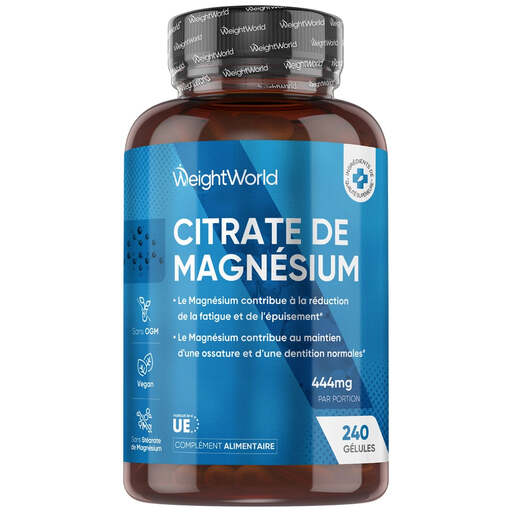
Why this suits this profile: With one capsule per day and 240 capsules in the bottle, this formula offers a stated eight-month course — a simple way to start without stretching your budget.
The listing states 222 mg of elemental magnesium per capsule, making it easy to compare with other products.
A citrate form, a vegan capsule, a gluten-free and lactose-free formula, and a clearly stated daily dose.
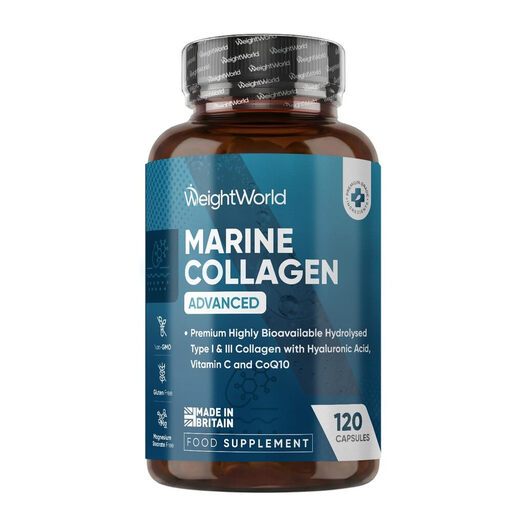
Why this suits this profile: This formula combines hydrolysed marine collagen, vitamin C, zinc, hyaluronic acid and coenzyme Q10 in plant-based capsules.
The daily amount is detailed: 1,170 mg of collagen for four capsules, rather than a vague overall quantity.
Vitamin C and zinc provide 100% of the nutrient reference values per dose, while the fish source is clearly stated.
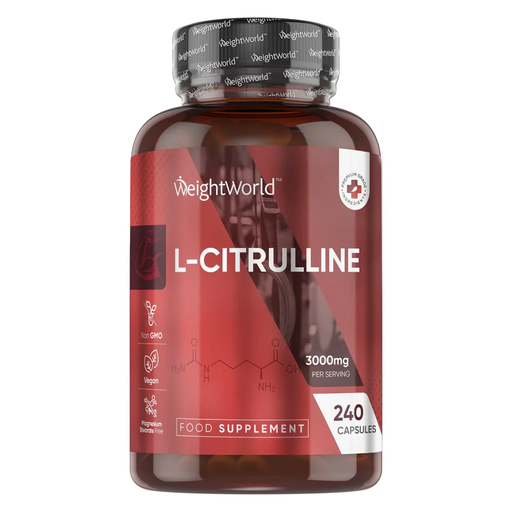
Why this suits this profile: Regular exercisers get 3,000 mg of L-citrulline per serving of four capsules, giving 60 servings per bottle.
The dose is expressed per full serving, so you won't confuse the amount in one capsule with the daily intake.
A vegan formula, free from gluten and declared allergens, with 240 capsules and a neutral taste.
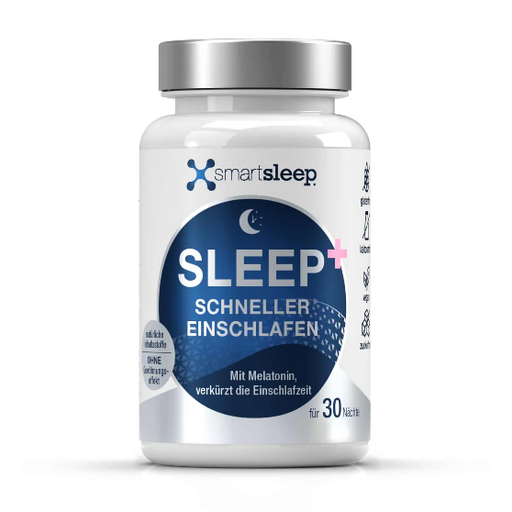
Why this suits this profile: Taken as one capsule in the evening, this vegan formula made in Germany combines 1 mg of melatonin, ashwagandha, lemon balm, passionflower and magnesium.
The dosage per capsule, the timing (around 30 minutes before bed) and the 30 nights' use are all clearly stated.
150 mg of magnesium per capsule, a plant-based shell and a formula with no declared animal-derived ingredients.
We've put together a comprehensive list, updated in real time, of products that meet these strict selection criteria and EU safety regulations.
The duration depends on the formula, the daily dose and your goal. Refer to the instructions on the label and avoid extending use without reason. For regular use, calculate the actual duration the bottle will cover before you buy it.
It's sometimes possible, but you first need to compare the common ingredients. Combining magnesium, vitamins and a sports formula can increase cumulative intake. Caffeine, vitamin B6, zinc and vitamin D deserve particular attention. If you're on medication or have a health condition, seek advice from a healthcare professional.
It all depends on the dose and your habits. Capsules are convenient for precisely dosed formulas, while powders may be better suited to large amounts of amino acids. Always check the number of daily servings, the excipients and the composition of the shell.