
Livraison le jour même ou le lendemain

Qualité garantie

Débloquez vos offres de bienvenue: Livraison GRATUITE | Jusqu'à -80 % | 30 jours d'essai gratuits à JoyPlus
Téléchargez l'application
Persistent fatigue, an irregular diet, disrupted sleep or a desire to look after your skin: food supplements can meet a wide range of needs. However, detailed labels and marketing claims can make it difficult to know what to choose. A formula with a long list of ingredients is not necessarily the one that will suit you best.
Before buying multivitamins, magnesium, vitamin D3 K2 or marine collagen, take the time to check three things: the actual composition, the dosage per serving and whether it is compatible with your diet or any medicines you may be taking.
Some products display a long list of vitamins and minerals without always clearly stating the amount of each active ingredient. When comparing two multivitamins, check the dose per tablet or serving, as well as the percentage of nutrient reference values (NRVs).
A shorter formula may be easier to understand and better suited to a specific need, such as increasing your intake of magnesium, vitamin D or B vitamins.
Tablets, capsules, gummies, ampoules or powder: the format has a direct impact on how consistently you take a supplement. Four tablets a day may not suit someone looking for a simple routine. Conversely, a course supplied in sachets or gummies may contain sugars, flavourings or excipients that are worth taking into account.
Also check how long the container will actually last. A container of 400 tablets may cover several months, while a box of 30 tablets may only correspond to a single course of use.
Terms such as “detox”, “hormonal balance” or “instant energy” are no substitute for precise nutritional information. In the European Union, authorised claims relate to certain nutrients and must meet defined conditions. They do not guarantee the same result for everyone.
A food supplement is not a substitute for a varied diet or medical advice. If you are pregnant, breastfeeding, have a chronic condition or are taking medicines, seek advice from a healthcare professional.
Start by identifying the recommended daily dose. For example, WeightWorld Magnesium Citrate provides 222 mg of elemental magnesium per capsule and contains 240 capsules. When comparing this type of product, focus on the amount of elemental magnesium, rather than just the total weight of the citrate.
For vitamin D3 K2, the WeightWorld product provides 4 000 IU of vitamin D3, equivalent to 100 µg, together with 125 µg of vitamin K2 MK-7 per tablet. Such a high dosage should be checked carefully, particularly if you are already following a treatment or taking other supplements.
Check the full list of ingredients, including excipients and the capsule composition. Some products contain soya, milk or animal-derived ingredients. If you are looking for a vegan, gluten-free or lactose-free formula, check these claims directly on the packaging.
For example, Nutri&Co organic spirulina is presented as vegan, gluten-free and free from additives and excipients, with a stated composition of 100% French organic spirulina. It is still best to check the labelling of the product you receive.
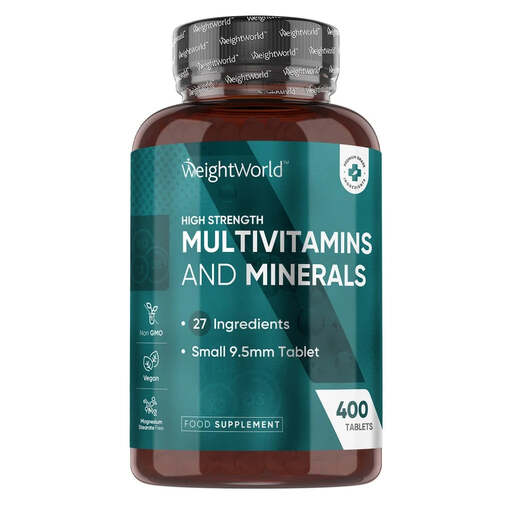
Why this choice suits these needs : A daily dose and a large pack may suit someone who wants to establish a vitamin and mineral routine with ease.
The quantity of 27 vitamins and minerals, along with the dosage per tablet, is stated on the product page, making comparisons easier.
400 tablets, a stated vegan and gluten-free formula, and mint-flavoured tablets.

Why this choice suits these needs : This individual liquid format is designed for adults who prioritise a routine focused on skin, hair and nails, with a ready-to-drink dose.
The serving is clearly defined : one 25 ml stick provides 12 500 mg of hydrolysed marine collagen, with the amount clearly stated rather than hidden behind an imprecise blend.
30 individual sticks containing vitamin C, biotin, vitamin D and hyaluronic acid.
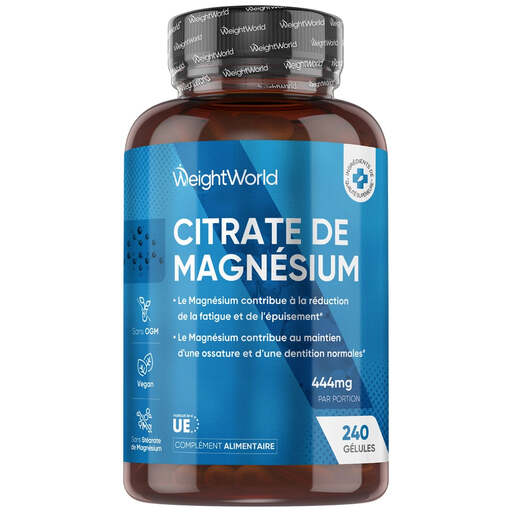
Why this choice suits these needs : This targeted formula may suit adults looking specifically for magnesium, without adding the active ingredients found in a general complex.
The product page distinguishes magnesium citrate from elemental magnesium and states that each capsule provides 222 mg of elemental magnesium.
240 capsules, a vegan, gluten-free and lactose-free formula, manufactured in Europe according to the information provided.
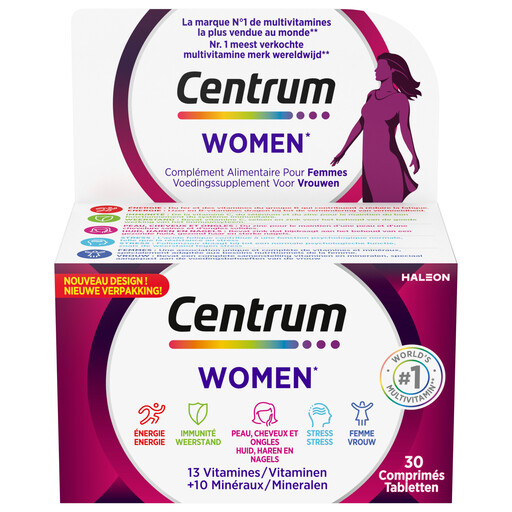
Why this choice suits these needs : This daily formula for women details its levels of vitamins, minerals, iron, zinc, calcium and vitamin D.
The amounts per tablet are published : 13 vitamins and 10 minerals, including 10 mg of iron and 100 mg of magnesium.
One tablet a day, with nutrients associated with skin, hair, nails and bones according to the labelling.
We have put together a complete, real-time updated selection of products that meet these strict criteria, as well as the requirements of European safety regulations.
It depends on the product, the dose and your objective. Follow the dosage instructions on the packaging and avoid combining several formulas that contain the same nutrients. Long-term use or repeated courses should be discussed with a professional, particularly when taking iron, vitamin D or vitamin A.
Multivitamins are generally aimed at people looking for overall nutritional support, while a targeted supplement addresses a more specific need, such as magnesium or vitamin D3 K2. Compare the ingredients to avoid duplication and choose a format that you will be able to take regularly.
No. They can supplement your diet, but they do not replace varied meals, good hydration, sufficient sleep or regular physical activity. If you experience unusual fatigue, persistent symptoms or have a specific need, consult a healthcare professional before changing your routine.