
Livraison le jour même ou le lendemain

Qualité garantie

Débloquez vos offres de bienvenue: Livraison GRATUITE | Jusqu'à -80 % | 30 jours d'essai gratuits à JoyPlus
Téléchargez l'application
Vitamin D3, magnesium, multivitamins, marine collagen or whey protein: the market for food supplements is overflowing with options, but the packaging doesn't always make comparison easy. Between generic promises, oversized dosages and awkward formats, some purchases end up costing you a lot without really matching your needs or your routine.
To choose with more confidence, look at the actual composition, the daily dose, the duration of use and any dietary restrictions. Here are the criteria to check before you order.
A high percentage of NRV — nutrient reference value — doesn't automatically mean the product will be right for everyone. Some products show several hundred, or even several thousand, percent of the NRV for vitamin B12, vitamin C or vitamin D3.
The dose needs to be considered alongside your diet, your age, your lifestyle and any medications you're taking. For high-strength formulas, particularly those with vitamin D3, selenium or B vitamins, it's best to seek advice from a healthcare professional.
A formula that lists lots of ingredients isn't necessarily better. Multivitamins typically combine vitamins and minerals, but the amounts can vary significantly from one product to another. So the nutrition table deserves more attention than a claim like "complete formula".
The authorised health claims in the European Union relate to specific functions, such as vitamin C contributing to the normal function of the immune system. They are neither a promise of prevention nor a medical treatment.
On paper, a product might look convincing but become impractical in daily use. Check the number of tablets or capsules you need to take each day, the taste, the sugar content and the list of allergens.
Vegans and vegetarians also need to make sure the formula genuinely matches their dietary choices. Marine collagen, for example, comes from fish and isn't suitable for anyone with a seafood allergy. Whey protein usually contains milk, while some products are formulated without gluten or lactose.
Always compare the amount provided by the recommended daily dose, rather than the total amount in the bottle. A pot of 400 tablets might mean one tablet a day, whereas a tub of collagen or protein needs to be assessed by the number of servings.
The form of the nutrient also matters: vitamin D3 as cholecalciferol, vitamin B12 as methylcobalamin or cyanocobalamin, magnesium as oxide, citrate or another compound. These details should be listed in the ingredients.
To compare prices, divide the price by the number of doses, not the number of tablets. Here are a few examples of long-lasting formats:
This method lets you compare supplements more fairly, whether they're designed to support energy and fatigue, immune defences or everyday wellbeing.
Go through the full list, including sweeteners, flavourings, anti-caking agents and excipients. Claims like "vegan", "gluten-free" or "lactose-free" should be confirmed on the product label.
If you're on medication, pregnant or breastfeeding, ask a healthcare professional before taking anything. A food supplement is not a substitute for a varied, balanced diet or a healthy lifestyle.
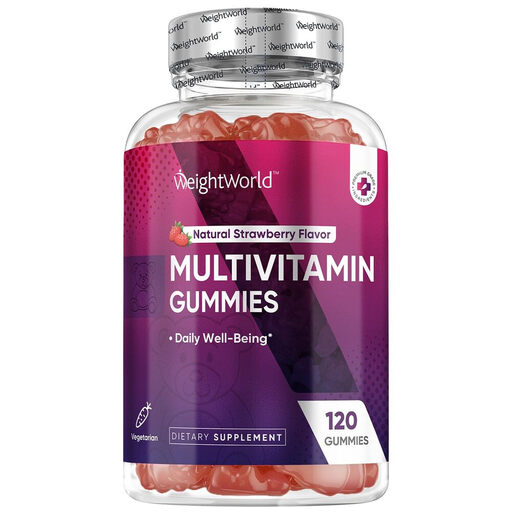
Why this choice suits this profile: The chewable format is ideal for adults who want to establish a simple routine without having to swallow a tablet.
The table details the amounts of 13 vitamins and minerals per serving of two gummies, making it easy to compare with other formulas.
A pectin-based formula with a strawberry flavour, suitable for a vegetarian diet. It does contain sugar and should be consumed following the stated serving size.
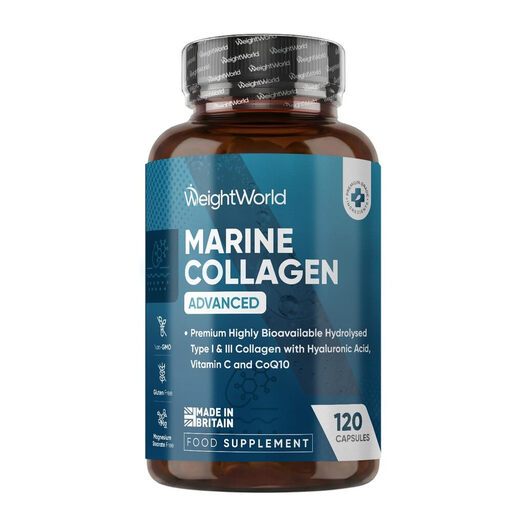
Why this choice suits this profile: This formula is aimed at those looking for a combination of marine collagen, vitamin C, zinc, hyaluronic acid and coenzyme Q10.
The serving size is clearly stated: four capsules provide 1,170 mg of hydrolysed collagen, with the quantities of the other ingredients detailed.
Vegetable capsules and a formula declared gluten-free. The product contains fish, so it is not suitable for those with allergies or those following a vegan diet.

Why this choice suits this profile: This format is suitable for adults looking for a targeted magnesium supplement in a sugar-free, lactose-free and vegan routine.
The actual serving is two capsules, providing 360 mg of magnesium and 2 mg of vitamin B6. Be careful not to confuse this amount with the weight of the compound used, particularly magnesium oxide.
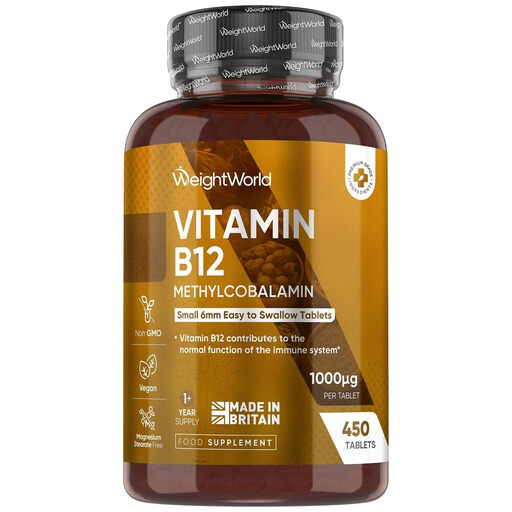
Why this choice suits this profile: Its vegan formula and micro-tablet format meet the practical needs of those who avoid animal-derived products.
The form used — methylcobalamin — is clearly stated, as is the dose of 1,000 µg per tablet. At one tablet a day, the bottle lasts around 15 months.
6 mm micro-tablets, with no flavourings and no declared allergens. If you are on medication or have an absorption issue, seek advice from a healthcare professional.
We've compiled a comprehensive, real-time selection of products that meet these exacting criteria, in line with European safety regulations.
It depends entirely on the nutrient in question, the dosage and your personal situation. Stick to the serving size stated on the packaging and avoid combining several products that contain the same vitamins or minerals. For long-term use or high dosages, medical advice helps to limit the risk of overconsumption.
Fatigue can have many causes. Magnesium, vitamin C, vitamin B12 or certain multivitamins are often used to supplement the diet, but they cannot determine the cause of persistent tiredness. If fatigue continues or is accompanied by other symptoms, consult a healthcare professional.
A vegan formula can be suitable for those who avoid animal-derived ingredients, but each label should be checked. Vitamin B12, vitamin D3 from lichen, certain minerals and plant-based proteins can meet specific needs or preferences. Conversely, marine collagen and whey come from fish and milk respectively.