
Livraison le jour même ou le lendemain

Qualité garantie

Débloquez vos offres de bienvenue: Livraison GRATUITE | Jusqu'à -80 % | 30 jours d'essai gratuits à JoyPlus
Téléchargez l'application
Occasional stress, disrupted sleep, menstrual comfort, sports nutrition or simply balancing your diet: food supplements cover a wide range of needs. Yet with busy labels and marketing promises, it’s not always easy to know what to look for. A formula that lists plenty of ingredients isn’t necessarily the most relevant, while a convenient format can hide a dosage that’s hard to interpret.
Here are the key criteria to check before you buy, along with a selection of products suited to different profiles.
A product may show a large amount of plant or extract while delivering only a small proportion of the compounds that are actually characterised. With organic KSM-66 ashwagandha, for example, you need to distinguish the total amount of extract from its withanolide content. The same logic applies to a supplement containing cranberry and D-mannose: the amount of cranberry alone isn’t enough to assess the formula, because the PAC content must also be stated.
Capsules, chewable tablets, gummies, sticks or powder all have different daily costs. A pot of biotin gummies might look affordable, but check the number of servings, the sugar content and the biotin dosage per unit. Conversely, a large bag of whey protein is only good value if you use it regularly.
A food supplement is not a substitute for a varied diet or medical advice. Melatonin, iron, folic acid, calcium and certain herbs require special attention depending on your age, pregnancy, any medications you’re taking or your medical history. The recommendations and warnings on the label should always be your first point of reference.
Start by looking at the recommended daily dose, rather than the total amount in the bottle. Then compare the quantity of each active ingredient per full serving.
A few examples:
These figures let you compare formulas on a concrete basis, without being guided solely by promotional language.
Go through the ingredients list, sweeteners, flavourings and allergens. Whey protein usually contains milk and may also contain soya, particularly through lecithin. Marine collagen should be avoided if you have a fish allergy. As for hair, skin and nail supplements in gummy form, they often contain sugar or glucose syrup.
For multivitamins, also check the levels of vitamin A, vitamin D, zinc, iron, calcium and magnesium. This helps you avoid taking several products with similar compositions.
The best format is one you can take regularly without it becoming a chore:
Storage conditions also matter: keep your supplements away from moisture, heat and light, and close the lid carefully after each use.
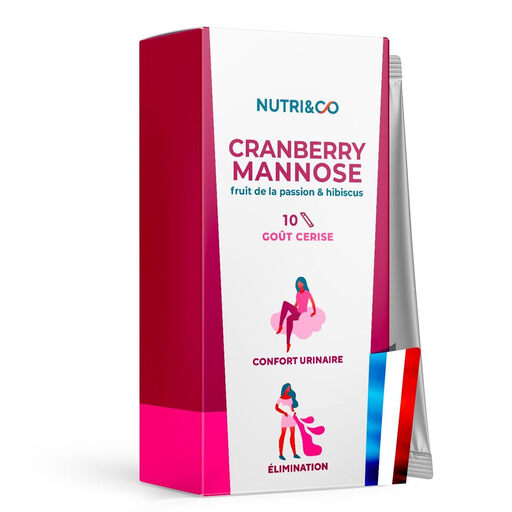
Why this choice suits this profile: With ten sticks, this format lets you try the product over a short period. It’s simply prepared in 150 to 200 ml of water.
The D-mannose and PAC levels are listed separately, rather than being grouped together under a single blend description.
One stick a day, with no added colourings or preservatives according to the product sheet. This supplement does not treat urinary tract infections.
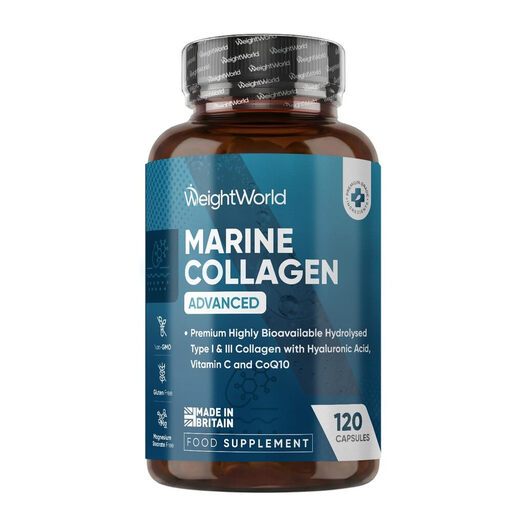
Why this choice suits this profile: This formula combines hydrolysed marine collagen, vitamin C, zinc, hyaluronic acid and coenzyme Q10 in vegetable capsules.
The daily serving is clearly set at four capsules, and fish is clearly listed among the allergens.
Each serving provides 1,170 mg of marine collagen, 80 mg of vitamin C and 10 mg of zinc.
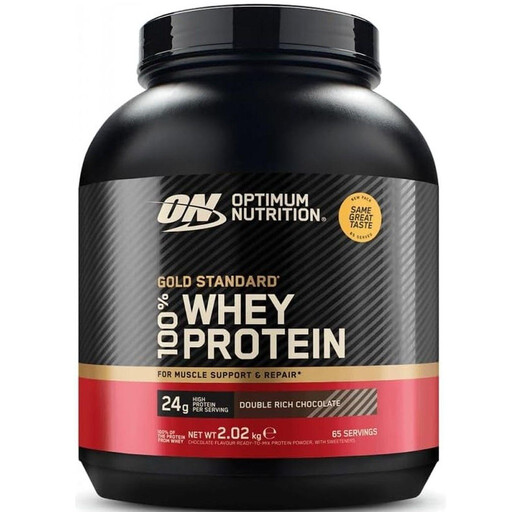
Why this choice suits this profile: With its 2.02 kg and 65 servings, this format is ideal for people who regularly include a sports supplement in their diet.
The protein content is stated per 30 g serving, while the milk and soya allergens are clearly listed.
24 g of protein per serving, with a blend of isolate, concentrate and hydrolysed isolate. The powder can be mixed with water or milk.

Why this choice suits this profile: Its short, plant-based, standardised composition is designed for adults seeking a targeted formula, with the option of taking one to two capsules a day.
The formula states 600 mg of organic KSM-66 root extract and 30 mg of withanolides per two-capsule dose.
HPMC vegetable capsules, with no titanium dioxide according to the product sheet. If you have a history of liver problems, are pregnant or breastfeeding, please consult a healthcare professional.
We’ve put together a comprehensive, real-time selection of products that meet these exacting criteria, while taking European safety regulations into account.
It depends on the formula, the dose and your goal. Follow the duration stated on the packaging and reassess whether the product is still right for you if you don’t take it regularly. If you’re on medication or have a health condition, seek advice from a healthcare professional.
Sometimes it’s possible, but start by comparing the ingredients to avoid overlaps, particularly with iron, vitamin D, zinc, calcium, magnesium or B vitamins. A multivitamin may already cover some of these. Don’t automatically add a hair, skin and nails supplement, a detox product or melatonin without checking the cumulative amounts and any precautions.
Calculate the cost per day by dividing the product price by the number of doses, then compare the amount of active ingredient per dose. This method lets you properly compare different formats: biotin gummies, calcium tablets, iron with folic acid, barley grass powder or sports supplements. The price of the bottle alone isn’t enough to judge a formula’s value.