
Livraison le jour même ou le lendemain

Qualité garantie

Débloquez vos offres de bienvenue: Livraison GRATUITE | Jusqu'à -80 % | 30 jours d'essai gratuits à JoyPlus
Téléchargez l'application
Food supplements have filled shop shelves and online stores: multivitamins, biotin for hair, skin and nails, marine collagen, electrolytes for hydration, organic spirulina and formulas designed to support the joints. This abundance of products makes comparison easier, but it also increases the risk of choosing something that does not truly meet your needs.
Before ordering, three common pitfalls are worth avoiding:
For more confident shopping in France, compare the ingredients, daily dose, number of servings, allergens and directions for use.
Start by checking how much you will actually consume each day. For vitamins and minerals, the table should show the values per tablet or serving and, where relevant, the percentage of the reference nutrient values (NRVs).
A multivitamin may combine numerous nutrients, but dosages can vary considerably from one formula to another. Centrum Women tablets, for example, contain 13 vitamins and 10 minerals, including 80 mg of vitamin C, 10 µg of vitamin D and 10 mg of iron per tablet. The recommended intake is one tablet a day with a meal.
For women’s and men’s multivitamins, also check who the product is intended for. A formula designed for men over 50 will not necessarily address the same priorities as a product intended for adults of any age.
Tablets, capsules, powder or liquid: the best format is ultimately the one that fits easily into your routine, rather than one based on a general promise of effectiveness.
Also consider how long the product will last. A bottle of 365 tablets provides a year’s supply when taken at one tablet a day. By contrast, a product containing 40 capsules, taken at two a day, lasts only around 20 days.
A product can be vegan while still containing sweeteners, caffeine or plant extracts that call for caution. For vegan supplements, check the ingredients list carefully, particularly the capsule, flavourings and source of the vitamins.
Marine collagen contains fish derivatives and is therefore unsuitable for people allergic to fish or seafood. Protein bars may contain milk, soya or peanuts. Electrolytes high in potassium are not recommended in cases of kidney failure without medical advice.
Food supplements should not be used as a substitute for a varied, balanced diet. If you are pregnant, breastfeeding, taking medication or have a health condition, seek advice from a healthcare professional.
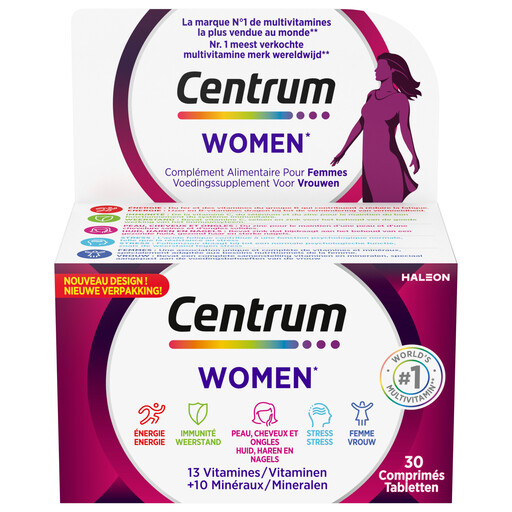
Why this choice suits this profile : With 30 tablets and a daily serving, this format makes it easy to get started without buying a whole range of different products.
The ingredients and quantities per tablet are clearly stated, making it easier to compare with other multivitamins.
13 vitamins and 10 minerals, including iron, vitamin D, zinc and magnesium. Contains soya.
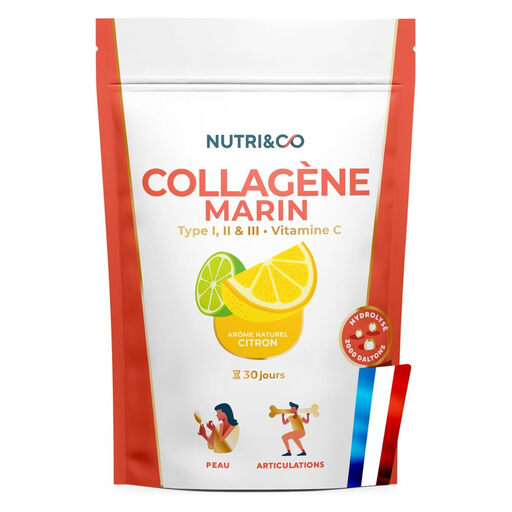
Why this choice suits this profile : This lemon-flavoured powder is easy to incorporate into a regular routine and clearly states the quantity per serving, rather than relying on a vague promise.
The dosage is detailed : 6 000 mg of hydrolysed marine collagen peptides and 80 mg of vitamin C per 7.5 g.
Types I, II and III stated on the label, lemon flavour with no added sugar. Contains fish.
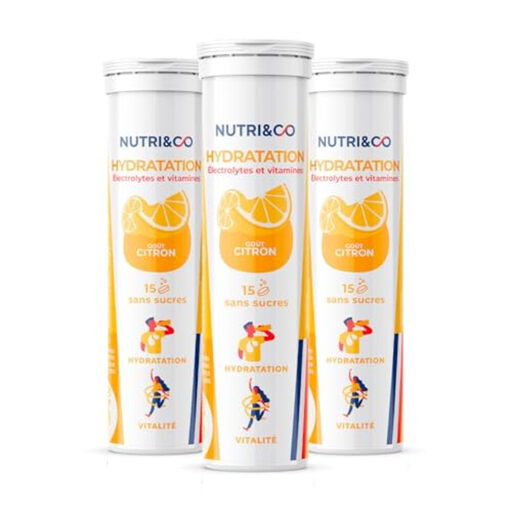
Why this choice suits this profile : Athletes and active people can quickly prepare a drink during or after exercise, depending on their hydration routine.
The electrolyte content is stated per tablet : 300 mg of sodium, 300 mg of potassium, 120 mg of calcium and 56.25 mg of magnesium.
Effervescent format, lemon flavour, sugar-free, to be dissolved in 300 to 500 ml of water. Pack of three tubes.
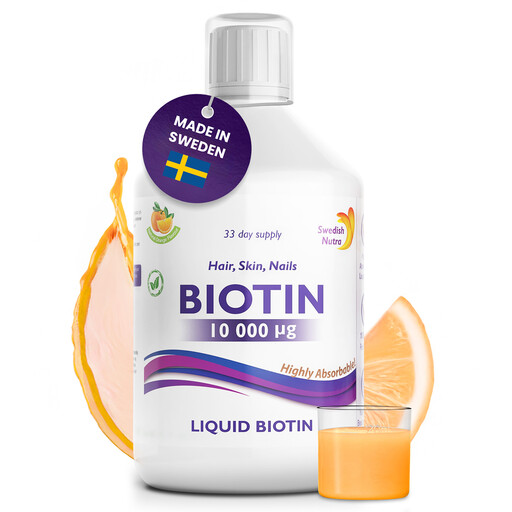
Why this choice suits this profile : The liquid format may suit adults who want to incorporate biotin into a dedicated hair, skin and nail routine without having to swallow a tablet.
The dose is clearly defined : 15 ml a day. The bottle states that it provides around 33 servings, without suggesting that the supply is endless.
10 000 µg of biotin and 80 mg of vitamin C per serving, vegan formula, gluten- and lactose-free. Refrigerate after opening.
We have brought together a complete, real-time updated selection of products that meet these demanding criteria and European safety regulations.
It depends on the format. Tablets and capsules can generally be stored in a cool, dry place away from light, in accordance with the date shown on the packaging. After opening, liquids may need to be refrigerated and consumed within the period specified by the manufacturer. Always remember to close the container securely.
Start by identifying ingredients that appear in more than one product. A multivitamin may already provide zinc, selenium, biotin or vitamin D. Adding a beauty formula or a vitamin and mineral supplement without checking the dosages could lead to unnecessary combined intake. Read the labels carefully and seek medical advice if you are taking medication.
Electrolytes can support hydration during exercise, while protein bars provide a convenient snack. L-glutamine powder or a joint supplement is a more targeted option. In all cases, compare the serving size, carbohydrates, allergens, flavour and ease of use instead of relying solely on the advertising claim.