
Livraison le jour même ou le lendemain

Qualité garantie

Débloquez vos offres de bienvenue: Livraison GRATUITE | Jusqu'à -80 % | 30 jours d'essai gratuits à JoyPlus
Téléchargez l'application
Between packed lunches, food to keep in the fridge and the clutter that builds up at home, food storage and organisation solutions need to be practical for everyday use. A leaky box, an overly bulky container or a material that’s a pain to clean can quickly turn an appealing purchase into a real chore.
Parents, young families, office workers who bring their own lunch and home organisation enthusiasts often face the same questions: how do you compare products, separate useful information from marketing claims and avoid promises that are hard to verify?
A capacity given in litres or ounces doesn’t tell you everything. You also need to check the shape of the container, the width of the opening and the actual space available once the lid is closed. A large lunch box might be difficult to fit into a bag, while a jar with a narrow opening will be less convenient to fill and clean.
The term “hermetic” deserves a bit of caution. Before choosing an airtight lunch box, examine the type of seal, the closing mechanism and any precautions needed during transport. Even a container marketed as leak-proof can leak if it’s overfilled, not closed properly or carried upside down.
A product that seems practical at the time of purchase can become tedious if it’s hard to clean or takes up too much cupboard space. Lids with removable seals, hard-to-reach compartments and boxes that don’t stack can quickly complicate your routine. In a small home, a foldable 84 L storage box or modular accessories can, on the other hand, free up space when stored away.
For an individual meal, compare the external dimensions of the container with those of your bag, fridge or drawer. A compartmentalised lunch box lets you separate different foods, but the number and size of the compartments must actually match your habits.
For storing meals intended for several people, a 1.5 L insulated food jar offers a more generous volume. However, do check its weight, the width of its opening and the stated heat retention time. These details can make all the difference at the office, at school or when you’re on the go.
The product page should specify the material used and which appliances the container is compatible with. A model designed for carrying a meal isn’t necessarily suitable for the oven or microwave. Always follow the instructions, especially for freezing, reheating and washing.
For breast milk storage bags, make sure to check:
The Momcozy breast milk storage bags featured here are stated to be BPA-free and BPS-free. They offer a maximum capacity of 180 ml (6 oz), a double seal and a write-on label area. The product page also states they are single-use and should not be heated in a microwave.
In the kitchen, a cutlery tray should be chosen based on the internal dimensions of your drawer. The 5five model shown measures 39.6 × 31.8 × 4.6 cm and has three compartments. Its product page recommends hand washing with soapy water, avoiding abrasive cleaners.
In the living room, a sofa storage tray lets you keep remote controls, drinks and small snacks all in one place. Measure the width of your armrest and check the tray’s stability before placing a glass or hot container on it.
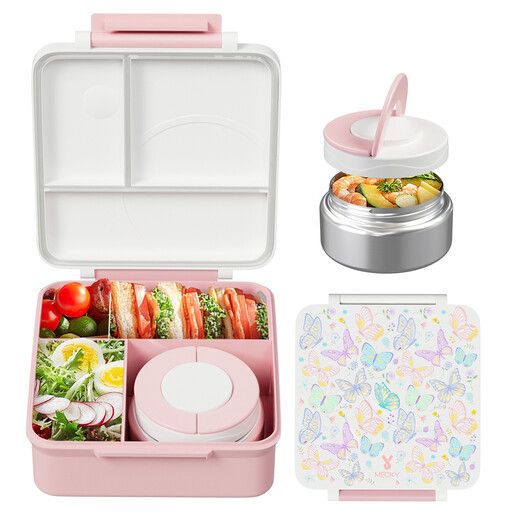
Why this choice suits this profile: Its compartment design is ideal for people who are just starting to meal prep and want to keep different foods separate in one box.
The single latch reduces handling, and the compartments stop foods from mixing together. Still, check the washing instructions and dimensions before buying.
Stated 54 oz capacity and compartmentalised design. The product page lets you check the specifications before ordering.

Why this choice suits this profile: With its 1.5 litre capacity, it’s designed for those who carry soup, a family meal or multiple portions.
The wide opening makes filling and cleaning easier. The product page advises not to turn the container upside down and recommends hand washing.
316 stainless steel, vacuum insulation, wide mouth and stated heat retention of 4 to 6 hours.
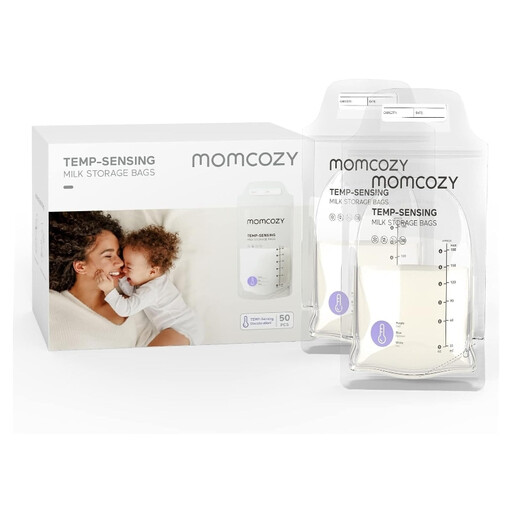
Why this choice suits this profile: These bags are designed for mothers who want to organise their expressed milk storage.
The 180 ml fill line, labels and flat storage make organisation simple. These bags are single-use and must not be reused.
Stated BPA-free and BPS-free plastic, double seal, temperature-sensitive indicator and pour spout.
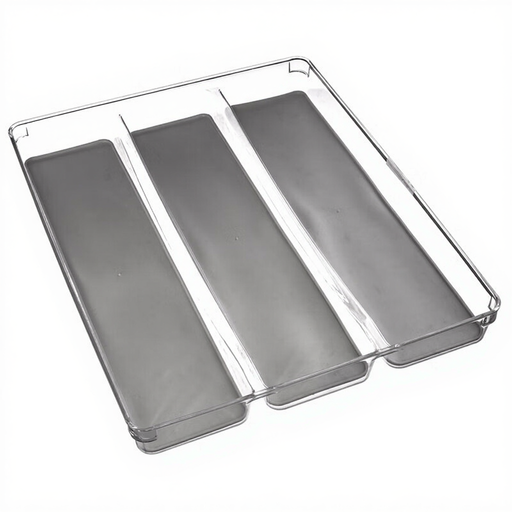
Why this choice suits this profile: It’s ideal for households that want to organise a kitchen drawer without any permanent installation.
Its dimensions can be compared directly with those of your drawer. Avoid overloading it and place it on a stable surface.
Polyethylene, painted finish, dimensions of 39.6 × 31.8 × 4.6 cm and three separate sections.
We’ve put together a comprehensive, up-to-date selection of products that meet these selection criteria and comply with European safety regulations.
Start by distinguishing between the different uses:
For bulky items, the SNSP 84 L foldable storage box can hold household accessories, linen or non-food supplies. Just check the space you have available both when it’s unfolded and when it’s folded away.
A compartmentalised lunch box is suitable if you want to keep different foods separate. Check its capacity, dimensions, closing system and cleaning recommendations. For a liquid or hot meal, a 1.5 L insulated food jar may be more appropriate, provided you can manage its weight and size.
The lifespan depends on the material, how often it’s washed, the condition of the seal and whether you follow the manufacturer’s instructions. Replace any container that is cracked, warped, leaking or holding a persistent odour. Single-use breast milk bags are not designed to be reused.
Respect the fill line, close the lid completely and transport liquids in the recommended position. A separate bag or a washable pouch can offer extra protection, but it will never make up for a poorly designed closure.