
Livraison le jour même ou le lendemain

Qualité garantie

Débloquez vos offres de bienvenue: Livraison GRATUITE | Jusqu'à -80 % | 30 jours d'essai gratuits à JoyPlus
Téléchargez l'application
From airtight containers to cooling appliances and on-the-go solutions, food storage solutions cover a wide range of needs. A family won't need the same capacity as a student, a batch-cooking enthusiast or someone travelling in a campervan.
Before you place an order, it's wise to be wary of overly vague promises. A container marketed as "ultra-fresh" will never replace the right temperature. Conversely, an oversized fridge can needlessly push up your electricity bill. Here are the criteria to consider when choosing equipment that truly suits your daily life.
An airtight container limits leaks, odours and air exchange, but it doesn't single-handedly slow down all spoilage processes. For fruit and vegetables, air circulation, humidity levels and temperature remain key factors.
So check that the seal is properly fitted, that the closure is fully secure and that the instructions provide clear usage guidelines. A stackable food container that doesn't close properly quickly loses its appeal, especially for transporting sauces or liquid foods.
A large container may seem practical, but its external dimensions need to be compared with those of your fridge-freezer shelves, drawers and dishwasher. In a small home, several rectangular stackable containers often make better use of space than a single very deep one.
With a mini-fridge, also measure the door width, the actual depth available and the height under the shelves before ordering.
The European energy rating, such as C or E, allows you to compare appliances using a common method, but it isn't enough to estimate their running costs. The annual consumption shown on the label, the volume, the ambient temperature and how often you open the door all affect your bill.
For an electric cool box or a portable car fridge, check the power supply type, the wattage and the vehicle battery protection. The "ECO" mode can reduce consumption in certain conditions, but it doesn't guarantee the lowest cost.
Start by assessing the volume you actually need:
Also look at the compartment layout. Separate drawers make food organisation easier, while a compartmentalised lunch box prevents dry and wet foods from mixing.
Containers intended for food contact must be used in line with the manufacturer's recommendations. BPA-free polypropylene models are generally suitable for everyday use, provided you respect their temperature limits and microwave instructions.
A container designed for the fridge and freezer should leave some headspace when its contents are liquid, as they expand when frozen. To reheat a dish, usually remove the lid or open the vent provided. The dishwasher may also impose temperature or positioning limits.
For a cooling appliance, compare the temperature range, compressor type, noise level and defrost system. A frost-free model reduces maintenance, while a variable-speed compressor can maintain a more stable temperature depending on usage conditions.
On the road, check 12 V/24 V compatibility, the presence of a mains adapter and protection against battery discharge. Clean the seals regularly, dry containers before closing them and make sure not to block the ventilation grilles.
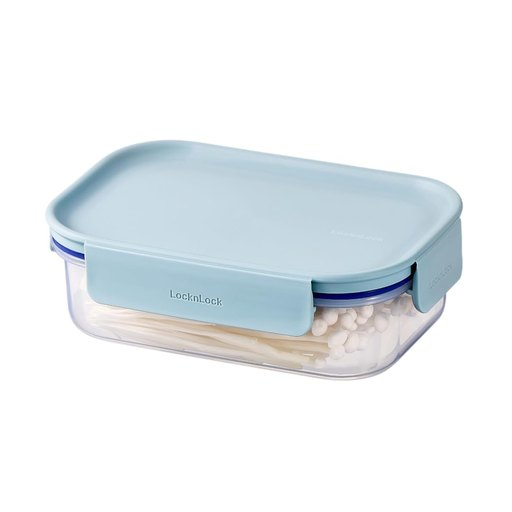
Why this suits this profile: Its 910 ml format is ideal for individual portions, leftovers and prepared meals in a compact fridge.
Its compact size reduces the risk of buying a container that's too bulky for a shelf or lunch bag.
Stackable design, airtight seal and compatibility with the freezer, microwave and dishwasher as stated.
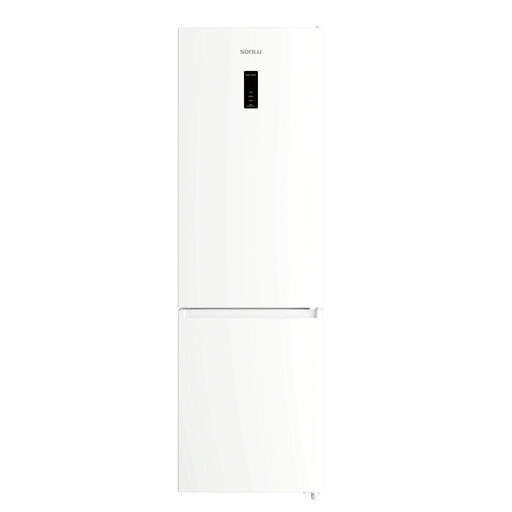
Why this suits this profile: With its stated 355-litre net capacity, split between the fridge and freezer, it's suitable for households that store a variety of groceries.
The reversible door makes installation easier, while the frost-free system cuts down on manual defrosting sessions.
Inverter compressor, electronic control, LED lighting and a stated fast-freeze function.
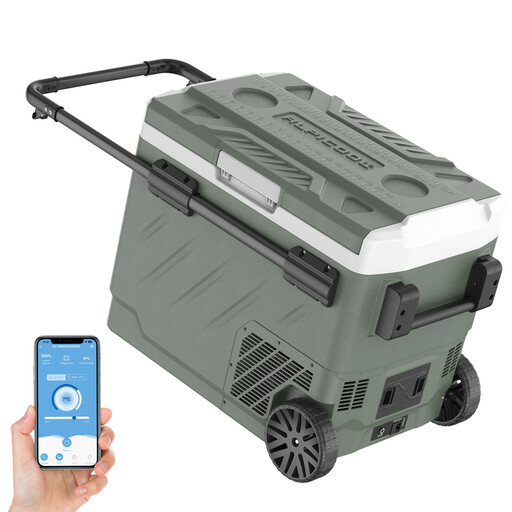
Why this suits this profile: This portable freezer is designed for long journeys, campervans and anyone who regularly transports fresh or frozen food.
Its 12/24 V and 100–240 V power supplies mean you're not reliant on a single source, while the battery protection is suited to car journeys.
Stated 49-litre capacity, dual adjustable zone from -20 °C to 20 °C and control via the screen or app.
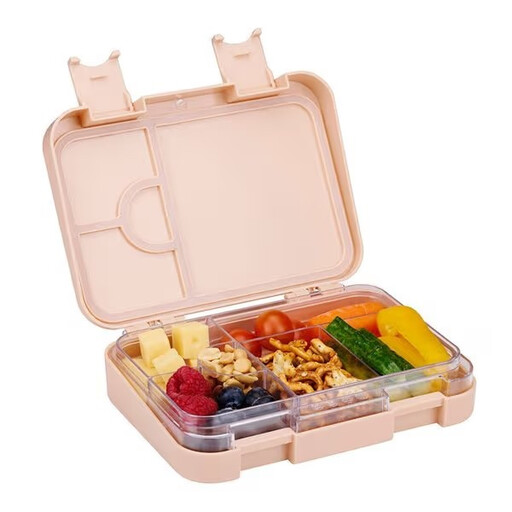
Why this suits this profile: Its six compartments separate sides, snacks and the main course in a work or student bag.
Separating foods limits mixing. However, the lack of microwave compatibility prevents accidentally using it to reheat a dish.
Dimensions of 21 × 15 × 4.5 cm, six compartments and removable parts stated as dishwasher-safe.
We've put together a comprehensive, real-time updated selection of products that meet these demanding criteria and European safety standards.
Choose a container whose volume matches one portion, with a reliable closure and a stackable shape. If the meal needs reheating, check microwave compatibility and remove the lid as per the instructions. To separate different foods, a compartmentalised lunch box will often be more practical.
The lifespan depends on the material, how well it's maintained, temperature variations and the condition of the seal. Replace any container that is cracked, warped, has a lingering odour or whose closure no longer holds. Wash and dry each part thoroughly before closing the container to minimise residual moisture.
It all depends on its power, how long you use it, the ECO mode, the outside temperature and the quality of the insulation. Check the consumption stated by the manufacturer and activate battery protection when the appliance is plugged into a vehicle. For occasional use, also compare the cost of an electric cool box with that of a portable compressor freezer.