
Livraison le jour même ou le lendemain

Qualité garantie

Débloquez vos offres de bienvenue: Livraison GRATUITE | Jusqu'à -80 % | 30 jours d'essai gratuits à JoyPlus
Téléchargez l'application
Between overflowing cupboards, poorly protected leftovers and dry foods losing their freshness, choosing a food container deserves more than just a quick glance at its design. An airtight jar, a glass storage container or a pantry pot needs to suit your habits, the space you have available and the foods you want to store.
A lid that clips on easily isn’t necessarily suitable for transport or long-term storage. For sauces, leftovers or meal prep, check for a silicone seal or a closure system clearly described as airtight. With dry foods, an effective seal is mainly about keeping moisture and odours at bay.
A 2-litre container might seem versatile, but it quickly takes up a lot of space in the fridge or cupboard. On the other hand, a small jar filled to the brim becomes difficult to clean. The right volume depends on the use: individual portions, family meals, flour, pasta, cereals or serving for nibbles.
Not all glass containers are suitable for the oven, freezer and microwave. Compatibility with each appliance must be stated separately. Even with borosilicate glass, it’s best to avoid sudden temperature changes. A hot container should never be placed directly in the fridge or plunged into cold water.
A glass storage container offers transparency, reusability and low susceptibility to stains and odours when properly maintained. Borosilicate glass can also go in the oven or microwave, depending on the manufacturer’s instructions. However, it is heavier to carry and can break if dropped.
Food-grade plastic is lighter and more resistant to knocks. The models shown here, made without BPA, are mainly intended for storing dry foods. They should not be used in the oven, microwave or with very hot liquids when the product page states this.
To organise a typical-sized kitchen, compare the container’s capacity with the depth of your shelves and the height available between levels. A stackable food container helps make use of vertical space, but only if its base is stable and the lids are designed to be stacked.
Handy reference points:
A dishwasher-safe container makes cleaning easier, but seals and lids sometimes need to be removed. Dry each part thoroughly before resealing an airtight jar to avoid trapping moisture inside.
With glass, regularly check for chips, cracks and deep scratches. With plastic, watch out for warping and the condition of the seal. Wooden lids, particularly acacia, should generally be washed by hand and not left to soak.
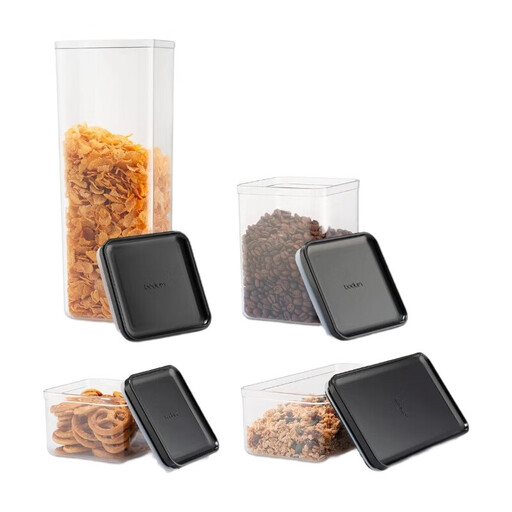
Why this choice suits this profile: with six transparent containers in several capacities, you can start organising your kitchen without having to buy individual pieces.
The different sizes prevent using one large pot for everything. The lids are described as airtight, while use in the oven and microwave is explicitly excluded.
BPA-free transparent plastic, lids with silicone seal and dishwasher-safe.

Why this choice suits this profile: its 0.8-litre rectangular format is ideal for leftovers, individual portions and meal prep. It can go from storage to reheating, following the manufacturer’s instructions.
The product page states compatibility with the fridge, freezer, oven, microwave and dishwasher. The risk of thermal shock should still be considered.
Non-porous borosilicate glass, stackable rectangular shape and 0.8-litre capacity.

Why this choice suits this profile: its 2-litre capacity meets the needs of families, batch cooking and make-ahead preparations.
The removable silicone seal makes cleaning easy. The product page states, however, that the lid should be removed before microwaving and that conventional oven use should be avoided.
Borosilicate glass, airtight seal, dimensions 25.4 × 19.4 × 8.7 cm and dishwasher-safe.
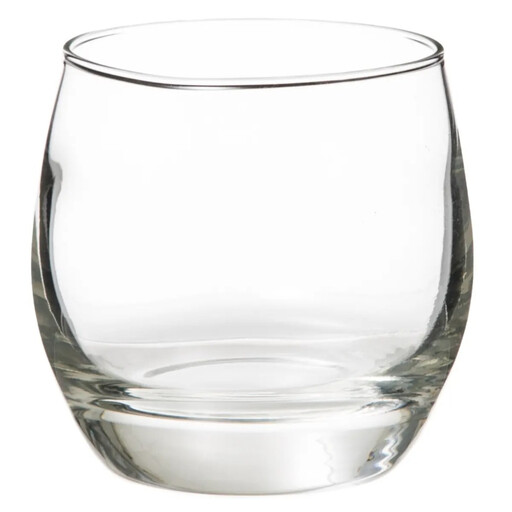
Why this choice suits this profile: at 15 cl, this size is ideal for canapés, individual desserts and presentations on a buffet or at the table.
Its clearly defined capacity prevents using an oversized storage container for serving. This is a verrine, not an airtight jar.
Clear glass, diameter 6.5 cm, height 7 cm and supplied in a pack of eight.
We’ve put together a comprehensive, real-time updated selection of products that meet these exacting criteria and European safety standards.
No. Check for the “freezer-safe” label and leave enough room for water-rich foods to expand. Avoid going straight from the freezer to the oven or into hot liquid to reduce the risk of thermal shock.
For one person, 500 to 750 ml can be enough for nuts, seeds or small quantities of cereals. Households that buy in bulk can opt for containers of 1 to 2.6 litres, provided they fit in the cupboards and remain easy to lift when full.
Clean the container after each use, dry it thoroughly before closing it and regularly remove the seal to get rid of any residue. Never force a warped lid and replace any container that has a crack, chip or leak.