
Livraison le jour même ou le lendemain

Qualité garantie

Débloquez vos offres de bienvenue: Livraison GRATUITE | Jusqu'à -80 % | 30 jours d'essai gratuits à JoyPlus
Téléchargez l'application
Proper food storage is fundamental to reducing waste, saving money, and simplifying your kitchen routine. But when faced with overwhelming options, it's hard to know what to choose and easy to end up with a disappointing product. A lid that warps from heat, a food container that gets stained by tomato sauce on the very first use, or a bag that tears in the back of the freezer: who hasn't experienced these frustrating and costly mishaps?
As a Product Expert at Joybuy, my role is to guide you. Let's skip the marketing jargon and get straight to the point. Here's how to avoid the pitfalls and choose storage solutions that are truly reliable and built to last.
Before you pull out your credit card, learn to spot the bad deals and the design flaws that make a product impractical for everyday use.
To make the right choice, there are three criteria to scrutinise. They are your guarantee of performance and durability for your containers and bags.
The choice of material directly impacts freshness, durability, and food safety.
The leak-proof quality of a food container comes down to one thing: its sealing system. For foolproof reliability, look for:
For a kitchen organisation system that runs smoothly, versatility is key. Before buying, always check the icons for compatibility:
Also consider the shape: square or rectangular containers, and especially stackable ones, help you optimise space in your cupboards and fridge.
Here are a few options that meet these rigorous selection criteria, tailored for different types of users.
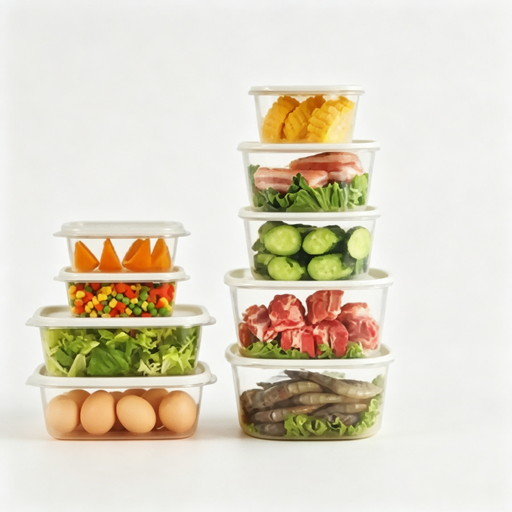
Why we chose it: Perfect for families or *meal prep* enthusiasts looking for a complete, uniform system. This set offers multiple sizes for every need, from dinner leftovers to a packed lunch.
This set focuses on versatility (microwave and freezer safe) and modularity. No more chaos from mismatched containers cluttering your cupboards.
A single 9-piece set to unify your storage and adapt to any use case.
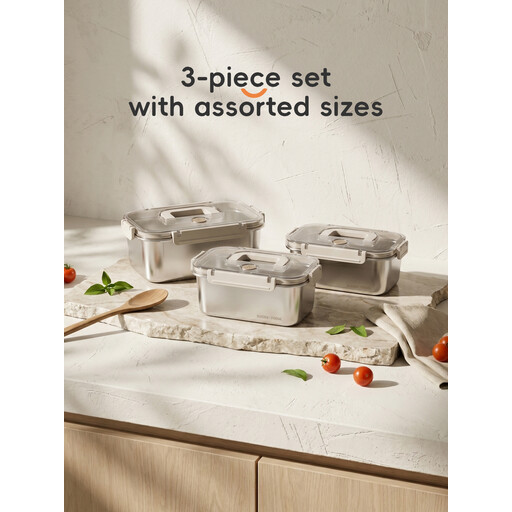
Why we chose it: For those who want a healthy, long-lasting solution, especially for acidic, greasy, or strong-smelling foods. Stainless steel is a premium material: stable and perfectly hygienic.
Unlike low-end plastic, 304 stainless steel doesn't stain, retain odours, or degrade over time. A long-term investment.
The quality of food-grade stainless steel: a stainless steel container that is non-reactive, easy to clean, and equipped with sturdy clips for a reliable seal.
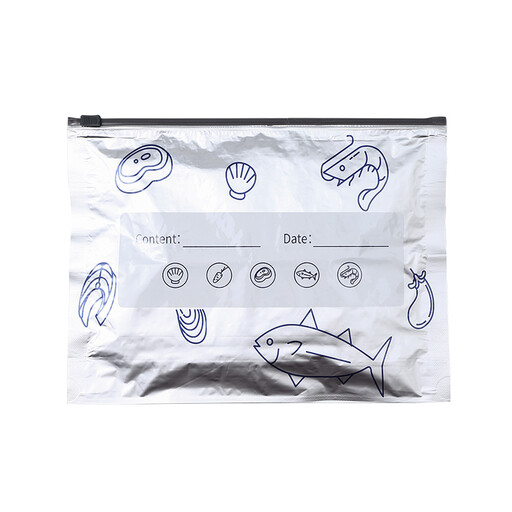
Why we chose it: The ideal solution for freezing meat, fish, vegetables, or cooked meals. Its multi-layer structure with aluminium creates a barrier to light and air, limiting oxidation and the dreaded freezer burn.
Far more durable than a disposable bag, this reusable freezer bag features a truly secure slider closure. Its opaque material blocks light, an often-underestimated factor in food spoilage.
Light and odour barrier, a sturdy zip, and a write-on label for a perfectly organised freezer.
We have curated a full range of products that meet these quality criteria and current safety standards.
Can a stainless steel container go in the freezer? Yes, absolutely. Stainless steel handles very low temperatures without any risk of cracking. It's an excellent option for freezing soups, sauces, or cooked meals. The only golden rule: never, ever put it in the microwave.
How can I properly care for my food containers to extend their lifespan? For plastic containers, avoid microwaving very fatty or sugary foods on high power, as this can damage the material. For all container types with a gasket, remember to regularly remove the silicone gasket to clean it separately and prevent residue buildup. Finally, always let containers air-dry completely before closing them for storage.
Are reusable freezer bags really hygienic? Yes, provided they are maintained properly. After each use, it's essential to wash them by hand with warm, soapy water, paying close attention to the seal. Make sure to rinse them thoroughly and let them dry completely (for example, by placing them upside down on a drying rack or over a glass) before reusing. Proper drying is the key to preventing any bacterial growth.