
Livraison le jour même ou le lendemain

Qualité garantie

Débloquez vos offres de bienvenue: Livraison GRATUITE | Jusqu'à -80 % | 30 jours d'essai gratuits à JoyPlus
Téléchargez l'application
With the rising cost of living and the urgent need to reduce waste, properly storing food has become a priority in many households. Between dinner leftovers, bulk grocery runs, and weekly meal prep, finding the right solution can quickly feel overwhelming. This guide demystifies the different options, from airtight containers to vacuum sealers, to help you make the best choice for your kitchen and your wallet.
Before you invest, it's essential to review a few key criteria that will determine the effectiveness and convenience of your future storage system.
The type of food container you choose will have a direct impact not only on the freshness of your food but also on your health.
A truly effective airtight container must prevent air and moisture from getting in. Look for lids with silicone seals and robust locking systems (clips, latches). A proper seal is essential for preserving the flavour and texture of food, whether in the fridge, freezer, or your cupboards.
For optimal long-term storage, the vacuum sealer is the secret weapon of well-organised kitchens. By removing nearly all the air from the bag or container, it drastically slows down oxidation and bacterial growth. This method is also the foundation of sous vide cooking, a technique that enhances the nutrients and flavours of food.
Our editorial team has scoured the market to identify options that combine convenience, durability, and performance. Here is a selection of products that cater to different needs and budgets.
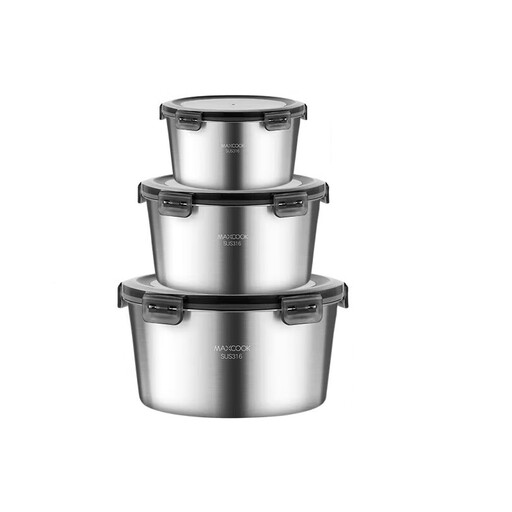
What sets it apart
The standout feature of this set is its material: 316 stainless steel, renowned for its exceptional corrosion resistance, which is far superior to the more common 304 stainless steel. Its three sizes (600?ml, 1100?ml, 2200?ml) offer great versatility for storing everything from snacks to family-sized meals.
Key Features
Who is it for??
Ideal for meal prep enthusiasts looking for a durable alternative to plastic, for families needing robust containers for on-the-go lunches, or for anyone who wants a healthy and effective storage system for their kitchen.
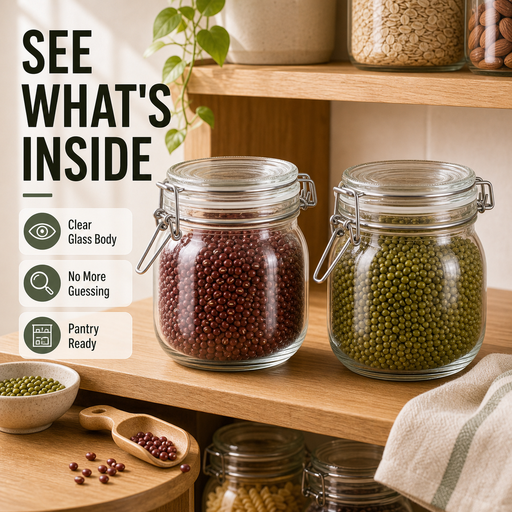
What sets it apart
The key feature of these glass jars is undoubtedly their locking system. The combination of a transparent borosilicate glass body, a food-grade silicone seal, and stainless steel clips creates an infallible barrier against moisture and air.
Key Features
Who is it for??
Perfect for those who want to organise their pantry with style and efficiency. These jars are excellent for bulk buying and storing dry goods: cereals, legumes, pasta, dried fruit, spices, coffee beans...
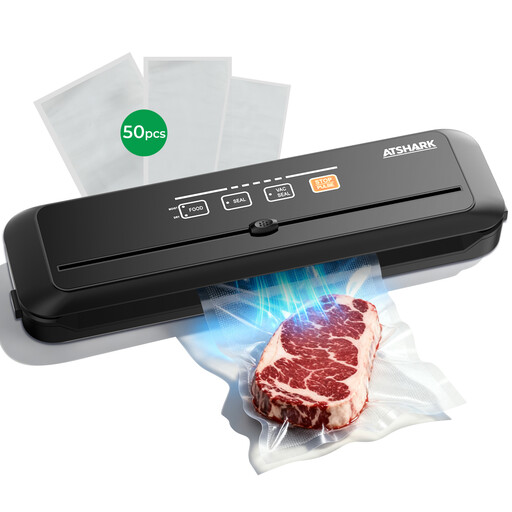
What sets it apart
This vacuum sealer impressed us with its versatility and user-friendly design. Its touch control panel and 5 modes (Seal Only, Vacuum Seal, Dry/Moist, Pulse, External Vacuum) make it accessible even for beginners. It's a complete solution to declare war on food waste.
Key Features
Who is it for??
Recommended for families who buy in bulk, enthusiasts of new culinary techniques, or simply for anyone looking to maximise the shelf life of their fresh and frozen products.
The solutions presented above cover a variety of needs, from everyday organisation to advanced preservation. If you are also interested in ready-to-use solutions for very long-term storage, we invite you to explore our dedicated category.
Discover our selection of canned food
There is no single "perfect" material; it all depends on your use case. Glass is unbeatable for its non-reactive nature and transparency, making it ideal for home storage. Stainless steel shines with its durability and light weight, which makes it perfect for on-the-go meals. High-quality, BPA-free plastic remains a cost-effective and convenient option.
A vacuum sealer works by sucking the air out of a special bag or container and then creating an airtight seal. By removing oxygen, it stops the growth of bacteria and the oxidation process, which allows food to stay fresh up to 5 times longer than with conventional methods.
Yes, it's entirely possible, as long as you follow a few golden rules. Use glass that is resistant to thermal shock (like borosilicate). Most importantly, only fill the jar three-quarters full to leave room for the food to expand as it freezes. Finally, let the contents cool completely before placing it in the freezer to avoid thermal shock, which could crack the glass.