
Livraison le jour même ou le lendemain

Qualité garantie

Débloquez vos offres de bienvenue: Livraison GRATUITE | Jusqu'à -80 % | 30 jours d'essai gratuits à JoyPlus
Téléchargez l'application
A lid that leaks in your bag, a container that’s too big for the fridge, or boxes that simply won’t stack – it doesn’t take much to turn kitchen organisation into a headache. Food storage containers serve very different purposes, whether you’re storing leftovers, prepping meals in advance, or carrying your lunch with you.
Before you buy a set of food storage containers, it’s worth knowing the most common pitfalls.
A clip-on lid doesn’t always guarantee a perfect seal. If you plan to transport sauces, cold soups or strong-smelling foods, choose an airtight food container with a seal and a clearly described locking system. The clips should lock easily without forcing, and remain accessible when the containers are stacked.
BPA-free plastic is lightweight and practical, but it shouldn’t be placed in the microwave or exposed to high heat unless the manufacturer explicitly says so. Borosilicate glass withstands temperature changes better, but it’s heavier and can crack if knocked. Stainless steel, on the other hand, isn’t microwave-safe.
The label BPA-free food container simply means the material is claimed to be free of bisphenol A. It doesn’t replace the need to check the instructions for use, cleaning and contact with food.
A large 2-litre container is perfect for family-sized preparations, but it will take up more space in a compact fridge. Conversely, several smaller containers make portioning easier, at the cost of more lids to wash and store. Stackable food containers help you make better use of available height, provided their sizes nest or sit on top of each other stably.
For containers intended for food contact, make sure the manufacturer, intended use and care instructions are clearly stated. In Europe, Regulation (EC) No 1935/2004 governs materials intended to come into contact with food. For plastics, Regulation (EU) No 10/2011 also sets out specific requirements.
These references don’t mean a container is suitable for every use. Always check the instructions to see if it’s dishwasher-safe, freezer-safe, oven-safe or microwave-safe. Even when a container is microwave-safe, its lid should generally be removed before reheating.
Here’s a practical breakdown by use:
A rectangular container generally optimises storage in the fridge and cupboards. Round models can be useful for certain foods, but they leave more wasted space between containers.
A removable seal is easier to clean and reduces lingering odours. However, you need to put it back correctly after washing and let each part dry completely before closing the container. For a model you’ll carry in a bag, also check for clips, the rigidity of the lid and the stability of the container during travel.
For hot preparations, let the food cool down if the instructions don’t allow for immediate hot storage. When freezing, never fill a container completely with liquid: as it expands, it can put pressure on the lid or the container itself.
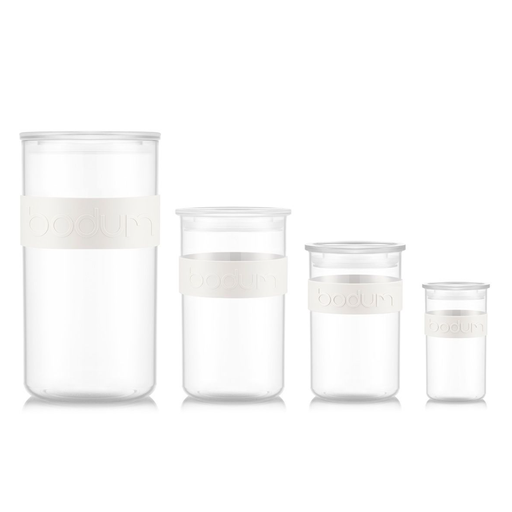
Why this choice suits this profile: With its 12 containers, this set covers everyday needs, from small portions to 2-litre preparations. A versatile foundation for gradually equipping your kitchen or storing leftovers without buying multiple sets.
The variety of capacities stops you ending up with poorly suited sizes. The airtight lids and stackable design reduce the risk of leaks and clutter in cupboards.
BPA-free plastic, 12 pieces, four capacities and airtight closure. However, check the instructions before any microwave use.

Why this choice suits this profile: Its borosilicate glass and 2-litre capacity make it a good choice for family preparations, fridge storage and certain stages of meal prep. Its transparency lets you see the contents at a glance.
The removable silicone seal is easier to clean than a fixed one. The instructions state to remove the lid before microwaving and to avoid major thermal shocks.
Borosilicate glass body, 2-litre capacity and claimed compatibility with the dishwasher, freezer and microwave under certain conditions.

Why this choice suits this profile: This lunch box is designed for those who carry a separate lunch every day, for families and for portion-control enthusiasts. Its 316L stainless steel is suitable for meals at the office, school or on a picnic.
The five compartments stop foods from mixing. The four clips keep the lid in place, but the lack of microwave compatibility should be noted.
316L stainless steel, five compartments, four clips and a PP lid. Hand washing is recommended to preserve the seal and the design.

Why this choice suits this profile: With eight capacities ranging from 150 ml to 1,040 ml, this set lets you portion out ingredients, leftovers and individual servings. Its compact sizes also lend themselves to varied meal preparation.
The range of sizes reduces half-empty containers and simplifies organisation by portion. The glass also lets you see immediately what’s stored in the fridge.
Set of eight borosilicate glass containers, graduated capacities and a demountable design. Check the lid compatibility instructions before any reheating.
We’ve listed the products that meet these demanding selection criteria and European safety regulations, in a complete list updated in real time.
For meal prep, choose several capacities that suit the size of your fridge. A borosilicate glass lunch box works well for preparations that need to go from cold to reheating, within the limits stated by the manufacturer. A lighter BPA-free plastic box is more practical to carry. To keep foods separate, go for a compartmentalised model.
No. Glass may be microwave-safe, but the lid should generally be removed. For both plastic and stainless steel, you need to check: stainless steel must never go in the microwave, and some plastics can warp under heat. Rely on the pictograms and the product instructions.
Wash the lids and seals according to the manufacturer’s recommendations. Remove removable seals to get rid of residue, then dry each part thoroughly before closing the containers. Avoid abrasive sponges on stainless steel, and regularly check for cracks, warping and other signs of wear. A lid that no longer closes properly should be replaced or reserved for dry foods, never for liquid preparations.