
Livraison le jour même ou le lendemain

Qualité garantie

Débloquez vos offres de bienvenue: Livraison GRATUITE | Jusqu'à -80 % | 30 jours d'essai gratuits à JoyPlus
Téléchargez l'application
A good food storage container is the key to a more organised kitchen, less waste, and quick-and-easy meal prep. The problem? The market is flooded with products that make tempting promises but often disappoint in practice. Between a lid that leaks in your bag and plastic that warps after one trip to the microwave, it's easy to make the wrong choice. As Head of Product Selection at Joybuy, my mission is to cut through the noise, help you see things more clearly, and invest in solutions that are genuinely practical and durable.
Before we unveil our top picks, let's break down the most common pitfalls and the criteria you should never overlook.
To make an informed choice, focus on these three key points.
The choice of material directly impacts the use, durability, and maintenance of your containers.
A container's effectiveness all comes down to the lid. For a foolproof seal, especially for a freezer container or for transporting saucy dishes, opt for a four-clip locking system combined with a silicone gasket. A crucial detail: make sure the gasket is removable. It's the only way to guarantee a thorough clean and prevent mould growth.
A well-organised kitchen relies on smart storage solutions. A food storage container set from the same range is often an excellent investment, as the containers are designed to nest and stack perfectly. For on-the-go meals, a compartmentalised bento box is ideal for separating the different elements of your lunch without needing multiple containers.

Why we chose it: For those who prep their meals for the week, versatility is key. This borosilicate glass container lets you cook, freeze, store, and reheat (in the oven or microwave) all in the same dish, which greatly simplifies organisation and reduces washing-up.
The glass is impervious to stains and odours. No more containers ruined by bolognese sauce. Its heat resistance ensures it will never warp.
Thermal versatility: compatible with the freezer, fridge, microwave, and conventional oven (without the lid). A real bonus for an optimised kitchen.

Why we chose it: To finally bring order to the pantry, nothing beats a unified system. This complete set offers four different sizes to store pasta, rice, flour, coffee, or biscuits, creating visual harmony and significant space savings.
Say goodbye to the headache of inefficient storage. Unlike a mismatched assortment of containers, this set is designed for vertical and modular organisation.
Complete system: the 12 pieces and 4 sizes cover most dry food storage needs, for an organisation that is as practical as it is aesthetic.
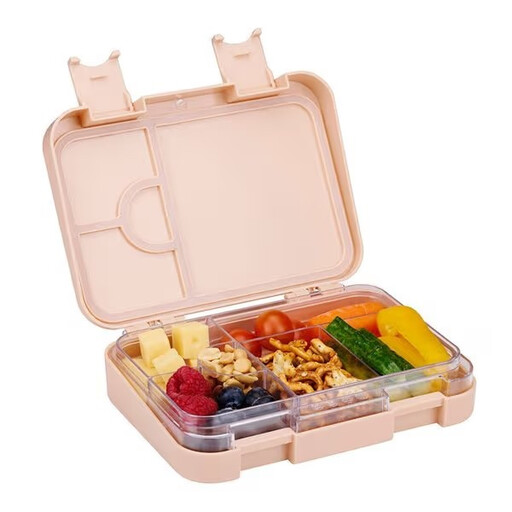
Why we chose it: This **bento**-style box is the ideal solution for those who enjoy varied lunches. Its six compartments allow you to separate your main course, side, fruit, and snacks without the flavours mixing. Its compact size slips easily into a bag.
It allows you to carry a complete, balanced meal in a single container, saving you from juggling an army of small, leaky, or easily lost boxes.
Meal organisation: the fixed compartments encourage a varied diet and portion control, while keeping each food item intact and appetising until lunchtime.
We have selected a full range of products for you that meet our quality criteria and current safety standards.
The simplest method is the water test. Fill the container halfway, close it securely, then shake it and turn it upside down over a sink. If not a single drop escapes, you can trust it with your soups and saucy dishes. Always check for a silicone gasket and a clip-locking system on at least two or four sides.
No, it's essential to check the manufacturer's instructions. Look for the pictogram showing waves. If the container is compatible, always remember to remove the lid or simply rest it on top without clipping it shut to allow steam to escape. Avoid microwaving very fatty or sugary foods at high power, as they can reach extremely high temperatures and damage the plastic.
For stains (like tomato sauce), leaving the container in direct sunlight for a few hours can sometimes help fade them. For odours, several tried-and-true tricks work wonders: fill the container with a mixture of hot water and white vinegar or baking soda, let it sit for several hours, then rinse. Another tip: crumple up some newspaper, place it in the dry container, close the lid, and let it sit overnight. The paper will absorb any residual odours.