
Livraison le jour même ou le lendemain

Qualité garantie

Débloquez vos offres de bienvenue: Livraison GRATUITE | Jusqu'à -80 % | 30 jours d'essai gratuits à JoyPlus
Téléchargez l'application
Between dinner leftovers, bulk-bought ingredients, pre-prepared meals and items stashed in the freezer, food storage containers earn their keep every single day. But a set that looks lovely in a photo can quickly turn out to be bulky, a pain to clean, or simply unsuitable for certain uses.
Here are the criteria to consider before you buy, along with a selection of containers suited to the different needs of British households.
A lid that simply sits on top of a container isn’t necessarily enough to prevent leaks or lock in odours. For sauces, soups and other moist foods, go for airtight food containers fitted with a silicone seal or a clearly described locking system. Even with a seal, don’t fill the container to the brim, and make sure the lid is properly clicked into place.
A large capacity doesn’t guarantee efficient storage. Containers that are too tall can waste valuable space in the fridge, while mismatched sizes make stacks unstable. Before you order, measure the depth of your cupboards, the height between shelves, and the usable space in your freezer.
Models with regular shapes – particularly rectangular or cylindrical ones with a slightly recessed lid – make stackable containers much easier to use and allow you to store them vertically.
A container that’s fine for the fridge isn’t necessarily suitable for the oven, microwave or freezer. The body, the lid and their materials can have very different uses. Always check the symbols and instructions for the model you choose. A container advertised as dishwasher-safe can’t automatically go in the oven.
For dry foods, glass jars and plastic containers intended for food contact don’t exactly serve the same purpose. Glass lets you see the contents at a glance and generally holds onto odours less. Plastic, being lighter, is often more practical for taking a meal with you.
BPA-free food containers are highly sought after. However, this claim should come with clear information about the material and its intended use. In Europe, also check the details regarding food contact, care instructions and temperature limits.
Borosilicate glass containers generally cope better with temperature changes than some ordinary glass types, but they are still vulnerable to knocks. Even when thermal resistance is stated, avoid extreme temperature shifts, such as going straight from the freezer onto a very hot surface.
A versatile set should cover several uses:
In the pantry, transparent containers let you quickly identify what’s inside and help you avoid buying duplicates. For airtight lunch boxes, choose a shape that slips easily into a bag and stays stable during transport.
A removable seal is easier to clean thoroughly, provided you put it back correctly once dry. Lids also need to be completely dry before closing, to keep residual moisture at bay.
Don’t pour very hot liquid into a container whose maximum temperature isn’t stated. In the microwave, remove the lid or leave it slightly open only if the instructions allow it. For freezer-safe containers, leave enough room for liquids to expand, and regularly check for cracks or warping.

Why this choice suits this profile: The four different capacities cover everyday needs, from small portions to family leftovers, without having to buy several separate sets.
The 0.25, 0.6, 1 and 2 l sizes stop you from pulling out an oversized container for a small amount. The airtight lids are described as suitable for storing dry foods, snacks and leftovers.
A 12-piece set of plastic containers described as BPA-free, with dishwasher-safe care according to the description.

Why this choice suits this profile: Its volume is ideal for batch cooking, leftovers and larger quantities. The clear glass body moves easily from fridge to table.
The removable silicone seal makes cleaning easier, while separate instructions for the lid and the container reduce the risk of misuse.
Borosilicate glass, 2 l capacity and stated compatibility with the dishwasher, freezer and microwave (lid removed).
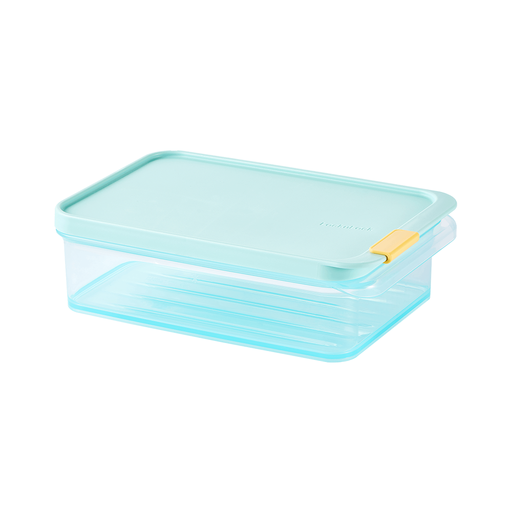
Why this choice suits this profile: Its rectangular shape and lid designed for stacking meet the demands of the freezer and storing prepped portions.
Freezer compatibility is clearly stated. Its polypropylene body and modular system help you make better use of the available depth.
Dimensions 20.7 × 13.1 × 6.2 cm, labelling clips and stated dishwasher-safe on the top rack.
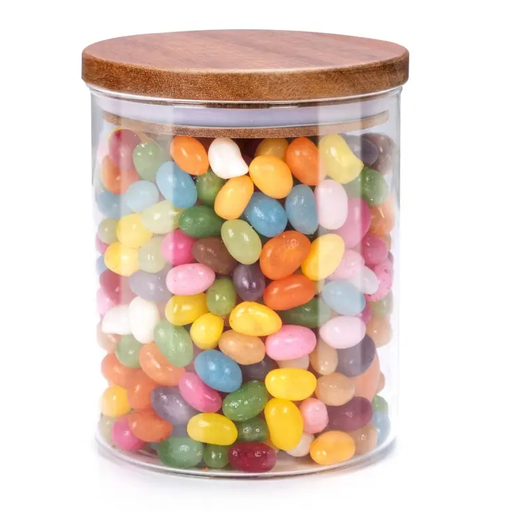
Why this choice suits this profile: This compact jar is ideal for spices, seeds, dried fruit and small quantities, when every centimetre of worktop counts.
Its clearly defined capacity stops you from using a large container for a small amount. The acacia wood lid, however, needs to be cleaned separately and should not be submerged in water.
Clear glass body, lid described as airtight and a compact footprint of 9.5 × 9.5 × 11 cm.
We’ve put together a comprehensive, real-time selection of products that meet these demanding criteria and European safety regulations.
The lifespan depends on the material, how often it’s washed and the condition of the lid. Replace any container that has a crack, a warp, a persistent odour or a damaged seal. With plastic models, never exceed the temperatures stated by the manufacturer.
No. Only freezer-safe containers can go in there. Leave some space for liquid or water-rich foods and avoid thermal shock. Even when described as resistant to temperature changes, a glass container can still crack.
Group foods by category, use transparent containers and choose capacities that match how much you consume. Stackable containers with consistent sizes free up vertical space. For fruit and vegetables, go for appropriate air circulation rather than a fully airtight container: the needs vary depending on the produce and how long you’re storing it.