
Livraison le jour même ou le lendemain

Qualité garantie

Débloquez vos offres de bienvenue: Livraison GRATUITE | Jusqu'à -80 % | 30 jours d'essai gratuits à JoyPlus
Téléchargez l'application
With containers claiming to be airtight, space-saving designs and sets that come with multiple pieces, it’s not always easy to compare food storage containers. A lid that lets liquids leak through, an awkward size or a container that’s too fiddly to clean can quickly turn a promising purchase into an accessory abandoned at the back of a cupboard.
Here are the key factors to consider before choosing an airtight food container, a container for dry goods or a lunch box to take on the go.
A clip-on lid isn’t always enough to prevent leaks. If you’re transporting sauce, a dish with juices or moist foods, go for a silicone seal and a closure system that’s clearly described as leak-proof or spill-proof. For dry goods, a closure that limits the ingress of air and moisture also helps preserve their texture.
A 16- or 24-piece set might look like good value, but several containers could end up unused if their sizes don’t match your habits. Before choosing stackable food containers, measure the space you have available and make a list of what you plan to store: rice, pasta, flour, leftovers, snacks or small portions.
‘Dishwasher-safe’ doesn’t automatically mean it’s suitable for the oven or microwave. Some models need to be reheated without their lid, while metal containers cannot go in the microwave. Also check the instructions regarding the freezer, liquids and very fatty foods.
A capacity of 180 ml is ideal for sauces, spices, small portions or baby food. Between 500 and 1,000 ml, the size becomes more versatile for leftovers, dried fruit and individual lunches. Larger volumes, such as 4 litres, are better suited to dry goods or family storage.
Don’t rely solely on the stated capacity. The external dimensions determine how much space the container actually takes up in a drawer, fridge or bag. A rectangular box is often easier to store than a round one in a cupboard, while a glass jar lets you see its contents at a glance.
Polypropylene, usually marked with the abbreviation PP, is lightweight and suitable for many food uses. For plastic containers, the BPA-free label is one of the things to check on the product page. Compatibility with the dishwasher, fridge and freezer should also be stated separately.
A glass storage jar is non-porous and generally doesn’t retain odours or stains. However, it is heavier and more fragile than a plastic container. Borosilicate glass should be handled with care and must not be subjected to sudden thermal shock, unless the instructions explicitly allow it.
For a lunch box to take with you, a seal and several locking points can help prevent leaks. However, avoid filling it beyond its capacity. A compartmentalised lunch box keeps different foods separate, which is handy for lunches made up of several components or for snacks.
Removable parts, particularly seals and dividers, make cleaning easier, provided they are thoroughly dried before being reassembled. For metal containers intended for sugar or biscuits, hand washing is generally preferable when the product page recommends it.
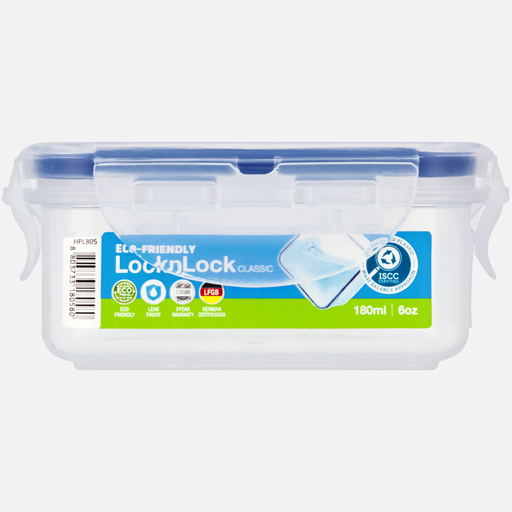
Why this choice suits this profile: Its small size lets you meet a specific need without cluttering your cupboards. It’s suitable for sauces, spices, small portions and baby food.
The product page mentions a silicone seal, a four-clip closure and a leak-proof design. Microwave usage limits still apply: the lid must be open.
180 ml capacity, dimensions of 11 × 9 × 5 cm, dishwasher, fridge and freezer compatible, and BPA-free PP plastic stated.
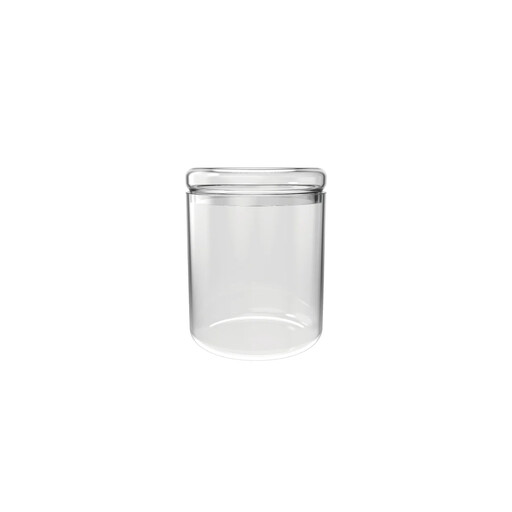
Why this choice suits this profile: Transparent, this jar fits perfectly into a kitchen where you want to quickly identify spices, seeds, nuts, ground coffee or sugar.
Its airtight lid protects the contents from air and moisture. Hand washing and thorough drying are still recommended.
500 ml borosilicate glass, non-porous surface, dimensions of 11.5 × 9 cm and contents visible without opening the jar.
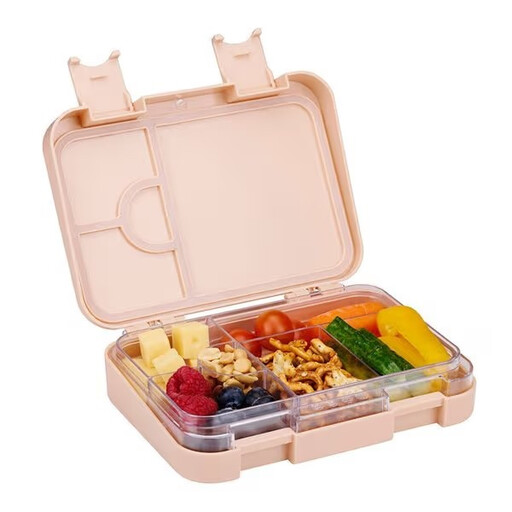
Why this choice suits this profile: Its design is aimed at busy professionals, students and families who transport several different foods in a single lunch box.
The six removable compartments prevent foods from mixing together and simplify cleaning. The product page states that the box is not suitable for the microwave.
Dimensions of 21 × 15 × 4.5 cm, six compartments and dishwasher compatible. Colours are assigned at random.
We’ve put together a comprehensive, real-time updated list of products that meet these demanding selection criteria and European safety regulations.
A few simple habits can help limit odours, stains and wear on the seals:
For dry goods, a sugar container, a biscuit tin or containers for dry foods should be kept away from moisture. Cook Concept metal models are designed for sugar or confectionery and should be hand washed. A biodegradable food container made from sugarcane pulp is more suited to occasional use, particularly for takeaways, than to repeated long-term storage.
A size of 700 to 1,000 ml is generally suitable for a full meal, depending on the foods you’re transporting and your appetite. A compartmentalised, low-profile box may be easier to slip into a bag, but it offers less volume for saucy dishes.
No. The BPA-free label refers to the composition of the plastic and does not, on its own, guarantee microwave compatibility. Where microwave use is intended, generally reheat the container without its lid and follow the temperature limits specified by the manufacturer.
There is no universal lifespan. It depends on how often you use it, how you wash it, the temperatures it’s exposed to and the condition of the seal. Inspect the container regularly and stop using it as soon as you notice cracks, warping or a closure that no longer holds properly.