
Livraison le jour même ou le lendemain

Qualité garantie

Débloquez vos offres de bienvenue: Livraison GRATUITE | Jusqu'à -80 % | 30 jours d'essai gratuits à JoyPlus
Téléchargez l'application
A good food storage container is the cornerstone of a well-managed kitchen: it reduces waste and preserves the freshness of your meals. The problem? The market is saturated with products making tempting promises that often fall short. A lid that warps, a container that cracks, or plastic that holds onto last week's curry smell—these frustrations are entirely avoidable. As a product expert at Joybuy, my mission is to guide you toward an informed choice by breaking down the criteria that truly matter.
Before you check out, learn to spot the design flaws and marketing claims that lead straight to disappointment.
For a successful and sustainable purchase, three technical criteria make all the difference. Here they are.
The choice of material depends entirely on your intended use.
The secret to a truly airtight container comes down to two things: a thick, removable silicone seal (essential for thorough cleaning) and a robust locking system. Systems with four side clips are often more effective than simple press-on lids because they distribute pressure evenly across the seal, guaranteeing a leak-proof barrier against both air and liquids.
Always check the pictograms on the packaging. A truly versatile container should clearly indicate the compatibility of each part (base and lid) with:
Rather than an endless list, we've selected models that meet specific needs, always keeping durability and practicality in mind.
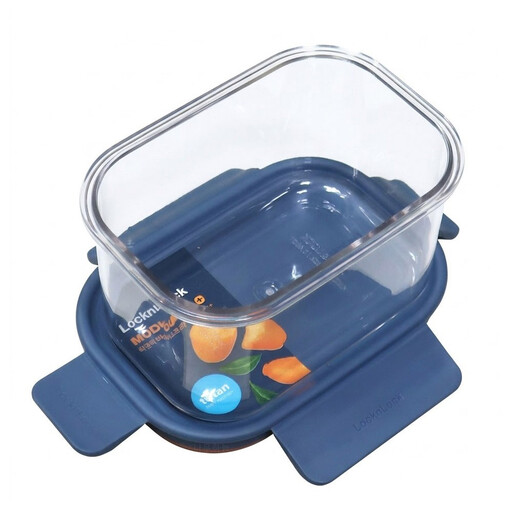
Why it's the right choice: Ideal for preparing meals in advance and carrying individual portions. Its modular design allows you to stack and nest the containers to optimise space in both the fridge and cupboards. A real bonus for weekly organisation.
Its high-quality polypropylene plastic resists stains and odours far better than low-end alternatives. The four-clip locking system, combined with the hollow silicone seal, ensures a reliable, long-lasting airtight seal.
Modular design for optimised storage (stacking and nesting). 100% airtight thanks to the four-clip lock and silicone seal.

Why it's the right choice: Perfect for families who think big. Its generous 2.3L capacity allows you to cook a casserole, store it in the fridge, and then reheat it in the microwave—all in the same dish.
Its secret? Borosilicate glass, which resists thermal shock (when following usage precautions). The lid includes a steam vent, preventing unpleasant surprises when reheating in the microwave.
Large 2.3-litre capacity. Lid with a steam vent for safe microwaving. Oven-safe (without the lid).
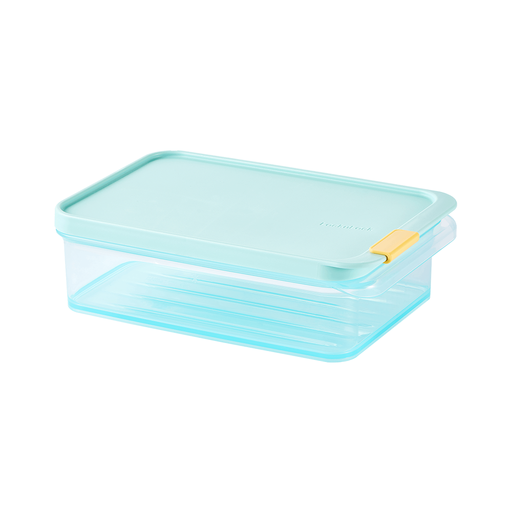
Why it's the right choice: Specially designed to optimise every square inch of a drawer or chest freezer. Its modular stacking system ensures perfect stability and puts an end to the chaos of sliding containers.
Its material, a specially formulated polypropylene, withstands freezing temperatures without becoming brittle. The lid's design guarantees stable stacking, which prevents falls and clutter in the freezer.
Modular and stable stacking system. Material designed to resist freezing without cracking. Label clips included for easy tracking of freezing dates.
Discover our complete, up-to-date selection of products that meet our strict selection criteria and current safety standards.
It all depends on the material and how you care for it. A borosilicate glass or stainless steel model can last for many, many years. For plastic, the lifespan is mainly determined by the quality of the locking system. A well-maintained silicone seal and sturdy clips can remain effective for several years.
Absolutely not, and this is a critical point to watch out for. Only borosilicate glass is designed to withstand high oven temperatures. Tempered or soda-lime glass, which is often cheaper, is at risk of shattering from thermal shock. Always look for the "oven-safe" icon on the packaging and never put the plastic lid in the oven.
The first rule: rinse the container immediately, especially if it held tomato sauce or turmeric. For stubborn odours, fill it with a mixture of warm water and baking soda. Let it sit for several hours before washing as usual. One last tip: avoid microwaving very greasy or sugary foods in it, as this can damage the plastic over time.