
Livraison le jour même ou le lendemain

Qualité garantie

Débloquez vos offres de bienvenue: Livraison GRATUITE | Jusqu'à -80 % | 30 jours d'essai gratuits à JoyPlus
Téléchargez l'application
Between meal-prepped dishes, dinner leftovers, fruit and vegetables, and overflowing cupboards, food storage and preservation containers have become an everyday essential. But you need to choose the right model for each purpose. An airtight container designed for the fridge will never replace a decorative storage basket, and a large capacity doesn't necessarily guarantee a perfect seal.
Here are the key criteria to consider when looking for practical, durable containers that suit your home organisation.
A lid that's simply placed on top may keep dust out, but it won't prevent leaks or odours from escaping. To transport soup, sauce or a saucy dish, go for a leakproof food container with a silicone seal and a clearly indicated closure system.
Models with clips on several sides generally distribute pressure more evenly across the seal. However, you still need to lock each clip properly and check regularly that the seal hasn't shifted or cracked.
The "microwave-safe" label doesn't mean the lid can be heated with the container. In most cases, you need to remove it or leave it slightly open to let steam escape. Some product specifications also impose a maximum usage time or advise against reheating very fatty foods.
Before buying, check the instructions separately for the fridge, freezer, dishwasher and microwave. Even a freezer-safe container must be filled leaving enough space for liquids to expand during freezing.
A container of 450 to 910 ml is suitable for a single portion, chopped fruit or a side dish. For a family, large leftovers or bulk ingredients, a 2 to 3 litre size will be more practical. However, be careful: a container that's too large quickly clutters up the fridge and may end up sitting around unused.
Stackable food containers are particularly useful when their dimensions are modular. Formats designed to nest or stack allow you to make the most of the available height in a cupboard or on a shelf.
BPA-free plastic, such as polypropylene or Tritan depending on the product, is popular for its lightness and impact resistance. Borosilicate glass and 304 stainless steel are appreciated alternatives for those looking to reduce their plastic use, even though they are generally heavier.
The "BPA-free" label alone isn't enough: the product must also be intended for food contact. In the UK, be sure to check the usage instructions, the maximum permitted temperature and any restrictions regarding heating.
A removable seal makes cleaning easier, as food residue can easily get trapped in the grooves. After washing, dry the lid and seal thoroughly before putting them back in place. This will help limit unpleasant odours and make it easier to spot signs of wear.
For the dishwasher, check whether the manufacturer recommends placing the container on the top rack only. Lids sometimes withstand heat less well than the containers themselves.
Measure your fridge shelves, drawers and cupboards before ordering. A container intended for the fridge should be easy to grab without having to move the whole stack. Rectangular formats often make better use of available space than very rounded containers.
For non-food items, clearly separate the uses. A fabric box or an openwork basket can hold laundry, toys, magazines or accessories, but should not be used for direct storage of moist foods.
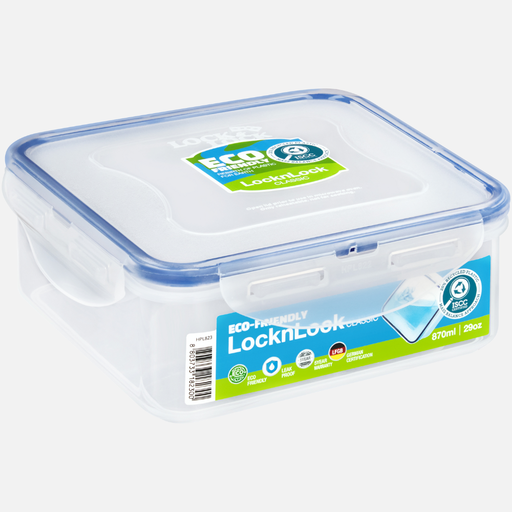
Why this choice suits this profile: With its 870 ml capacity, this model is ideal for single portions, leftovers and prepped ingredients, without forcing you to buy lots of large containers.
Its silicone seal and four-sided closure reduce the risk of leaks associated with lids that are simply placed on top.
BPA-free polypropylene, stackable square shape, compatible with the fridge, freezer, dishwasher and microwave after removing the lid.

Why this choice suits this profile: This set of three sizes is designed for households that want to vary capacities for meal prepping, transporting dishes and organising fridge storage.
The three capacities prevent you from always reaching for oversized containers, while the deep shape makes it easier to store bulky preparations.
304 stainless steel, borosilicate glass lids, silicone seals and dishwasher-safe. Please observe the warnings regarding sudden temperature changes.
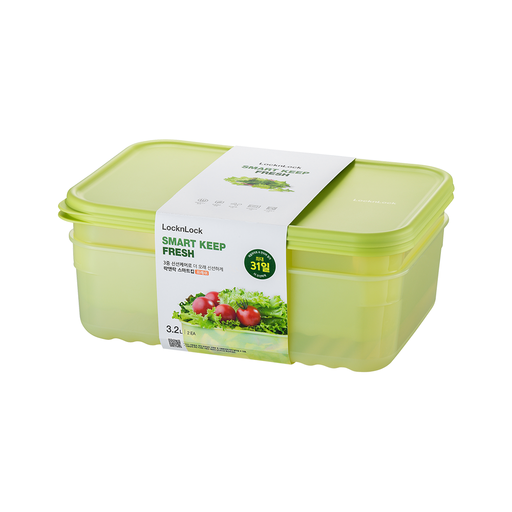
Why this choice suits this profile: These two large 3.2 litre containers are ideal for families, batch cooking and storing fruit and vegetables.
The double-seal lid and four closures minimise the risk of leaks, provided the container is closed properly.
Two containers made from Bisfree BPA-free material, stackable, compatible with the fridge, freezer, dishwasher and microwave without their lids.
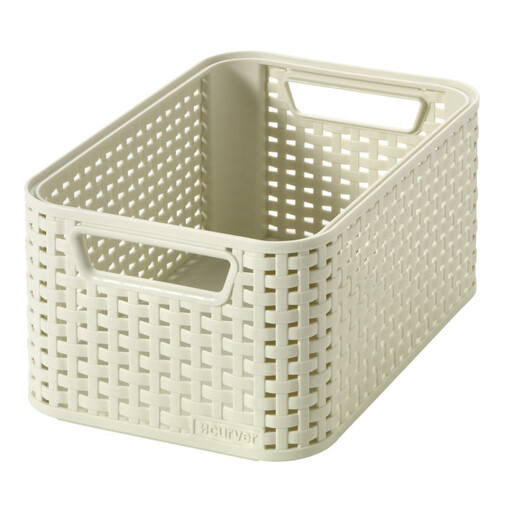
Why this choice suits this profile: This basket is designed for non-food storage in the kitchen, bathroom, home office or on open shelving.
Its use is clearly distinct from that of an airtight food container, so you avoid using a non-leakproof container for food or liquids.
Polypropylene with a rattan-effect finish, integrated handles, 6 litre capacity and quick cleaning with a damp cloth.
We've put together a comprehensive, real-time updated list of products that meet these demanding selection criteria and European safety standards.
For preparing several meals, go for stackable formats of 600 ml to 1 litre for individual portions. A 2 to 3 litre model will be better suited to family dishes, large salads or ingredients in bulk. Check their compatibility separately with the freezer, dishwasher and microwave.
It all depends on the material, how often it's used and the condition of the seal. There's no universal lifespan. Inspect the container regularly and replace it as soon as it's cracked, deformed or difficult to close airtightly.
Group containers by height and capacity, then place the tallest ones at the back. Rectangular formats and stackable food containers generally make better use of space. Reserve small models for sauces, toppings and individual portions to avoid unstable piles.