
Livraison le jour même ou le lendemain

Qualité garantie

Débloquez vos offres de bienvenue: Livraison GRATUITE | Jusqu'à -80 % | 30 jours d'essai gratuits à JoyPlus
Téléchargez l'application
The right food storage container can be a game-changer in the kitchen, helping you waste less and becoming your best meal prep ally. The problem? The market is flooded with promises that are rarely kept. A lid that leaks in your bag, plastic that warps in the microwave, containers that create chaos in your cupboards—these everyday hassles are unfortunately all too common.
As the Head of Product Recommendations at Joybuy, my mission is to help you cut through the noise. Here are the three most common pitfalls and, more importantly, how to avoid them.
Before you buy, consider these three points. They're what separate a smart purchase from future disappointment.
The choice of material determines the use, lifespan, and safety of your container.
A container's seal depends on two inseparable elements:
For a well-organized kitchen, the ability of your containers to stack is essential. Stackable food containers are designed so that bases and lids nest perfectly, forming stable piles. This allows you to optimize vertical space in your refrigerator and cupboards, all while keeping an overview of your supplies. Prioritize ranges that offer multiple sizes in the same format (square or rectangular) for flawless fridge and shelf organization.
Rather than an endless list, here are three models that meet specific needs and avoid the classic pitfalls.

Why we chose it: Fans of meal prep containers are looking for versatility above all. This large 2L container allows you to cook, store, freeze, and reheat a family-sized meal in a single dish. A real time-saver (and less washing up!) for the whole week.
Its borosilicate glass body is oven-safe up to 400°C (without the lid) and won't warp, unlike low-grade plastics. No more tomato sauce stains: it absorbs neither colours nor odours.
The 4-clip locking system, combined with the removable silicone gasket, ensures a perfect seal. Its large capacity is ideal for generous portions or family meals.
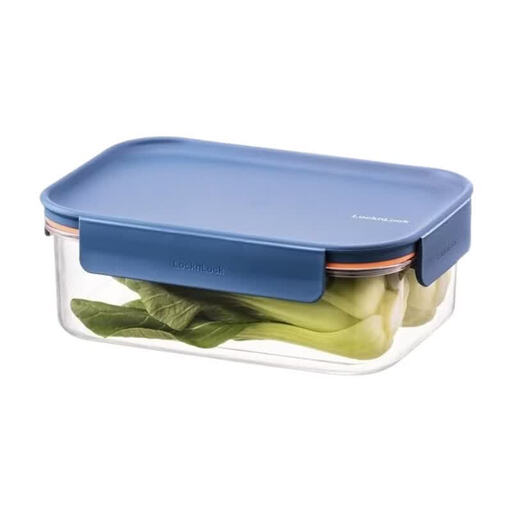
Why we chose it: For those who dream of picture-perfect storage, modularity is king. This model is designed to stack perfectly with other containers in the range, creating a storage system that is as beautiful as it is efficient.
No more cupboard chaos! Its modular, stackable design optimizes every square inch, unlike mismatched containers that waste space.
Made from Tritan, a durable, next-generation BPA-free plastic, it combines lightness with strength. Its transparent body allows you to identify contents at a glance.

Why we chose it: A family has varied and changing needs. This 12-piece set of food storage containers offers four different sizes to be ready for any situation: from dinner leftovers and kids' snacks to storing dry ingredients.
It saves you from buying containers one by one and finding yourself without the right size. This complete set covers all scenarios and offers a turnkey, cost-effective, and cohesive solution.
The lids are designed for an airtight seal that preserves freshness. Made from BPA-free plastic, these containers are lightweight and easy to handle, even for the youngest members of the family.
We have selected a full range of products that meet our quality criteria and current safety standards.
The "BPA-Free" label should be clearly displayed on the packaging or the product itself. Food-grade plastics like polypropylene (identifiable by the #5 recycling logo with the letters PP) or Tritan are recognized as safe, Bisphenol A-free alternatives. When in doubt, glass remains the safest bet.
No. Only containers with the dedicated pictogram (often showing waves) are compatible. Always remember to remove the lid or open its vent before reheating to allow steam to escape. Avoid microwaving very fatty or sugary foods at full power, as they can reach temperatures that risk warping the plastic.
To preserve its elasticity and cleanliness, the best practice is to remove it from the lid for each cleaning. Wash it by hand with warm, soapy water, then let it air dry completely before putting it back. This prevents residue buildup and mould growth, ensuring a perfect seal in the long run.