
Livraison le jour même ou le lendemain

Qualité garantie

Débloquez vos offres de bienvenue: Livraison GRATUITE | Jusqu'à -80 % | 30 jours d'essai gratuits à JoyPlus
Téléchargez l'application
Between promises of leak-proof seals, "all-purpose" claims and multi-pack assortments, choosing food storage containers can quickly become a headache. The right container is, above all, one that fits your daily life: keeping leftovers in the fridge, transporting lunch, storing dry goods, freezing meal prep or keeping bread fresh.
Before you buy, three common mistakes keep cropping up:
A glass food storage container appeals for its transparency, ease of cleaning and low odour retention. Borosilicate glass handles temperature changes better than standard glass, but it's still essential to follow the manufacturer's recommendations. In particular, avoid going straight from the freezer to an intense heat source.
Lighter in weight, food-grade plastic is often more practical for transporting a meal. Check for the BPA-free label as well as the permitted temperature ranges. For dry foods, airtight plastic containers stack easily in a cupboard. For hot dishes, read the instructions carefully: in the microwave, the lid may need to be removed or simply left slightly open.
An airtight food container deserves to be examined from several angles:
A seal that's never removed can trap residue and the odours that come with it. After washing, dry the lid, seal and container separately before reassembling them.
The volume should match the portions you typically prepare. A container of 250 to 600 ml works well for side dishes and snacks, while a size of around 1 to 2 l is better suited to family leftovers or batch cooking.
Stackable food containers help you make the most of the available height in your fridge or freezer. However, do take the time to measure your shelves and drawers before ordering. Rectangular shapes often make better use of space, even if their corners can be trickier to clean when the container is very deep.
For lunch, a compartmentalised lunch box stops dry and wet foods from mixing together. A compact snack box will suit children and small bites. A glass lunch box will appeal more to those who prefer a robust, heavier container that's heat-compatible according to the manufacturer's instructions.
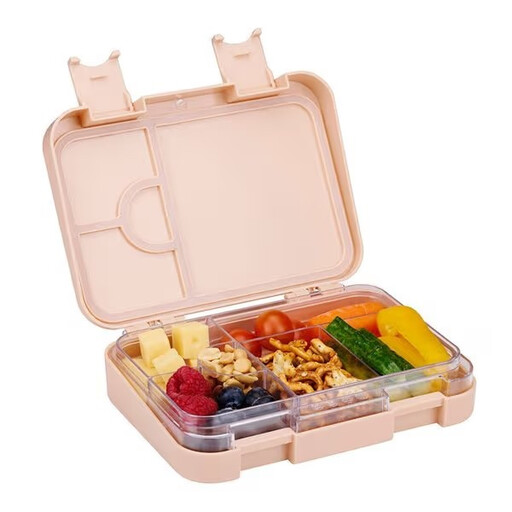
Why this choice suits this profile: Its six compartments make it easy to transport small portions, dried fruit or a varied lunch to the office, school or on the go. At 21 × 15 × 4.5 cm, it fits into most bags.
Separating foods prevents textures from mixing. The product is not designed for the microwave: this restriction stops you using it for anything other than transport.
Six removable sections and dishwasher safe. Stated weight: approximately 425 g.

Why this choice suits this profile: With its 2 l capacity, it's ideal for family meals, leftovers and meal prep. The clear glass lets you see the contents at a glance in the fridge.
The removable silicone seal can be cleaned separately, which reduces odours and residue hiding in crevices. The lid must be removed before microwaving.
Borosilicate glass, 2 l capacity, dishwasher, freezer and microwave safe as per instructions. Stated resistance to thermal shock up to 200 °C.
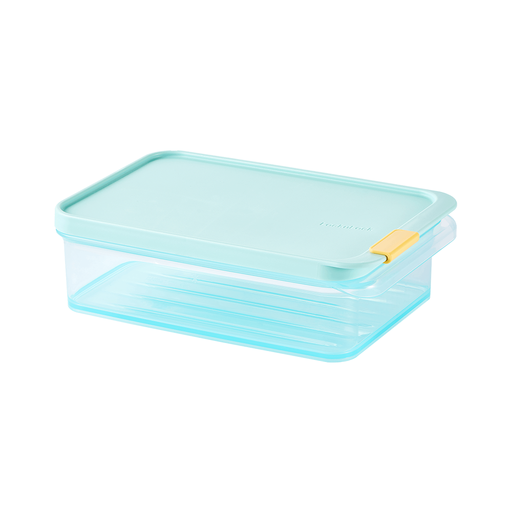
Why this choice suits this profile: This rectangular design is made for organising the freezer and storing pre-portioned meals. It's ideal for households that regularly freeze food or like to label their containers.
The recessed lid allows for stable stacking, and the label clips let you note the contents and date. Both the body and lid have temperature limits that must be observed.
1.05 l capacity, BPA-free plastic, freezer and top-rack dishwasher safe. Maximum stated temperature: 110 °C.
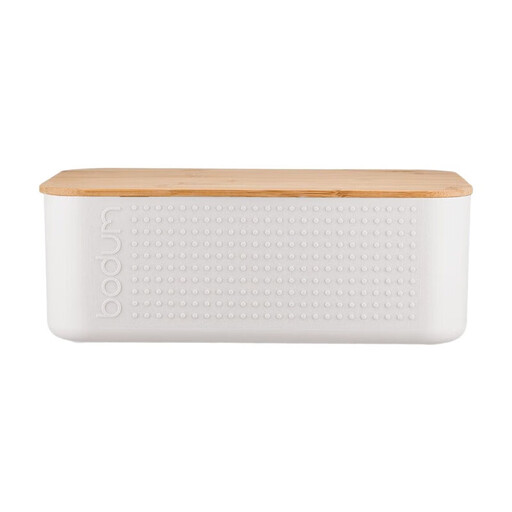
Why this choice suits this profile: With a stated capacity of 10 l, it can hold bread, baguettes, rolls and pastries. Its bamboo lid also doubles as a chopping board.
A bread box doesn't serve the same purpose as an airtight container for liquid dishes. The bamboo lid should be hand washed and must not be submerged.
10 l volume, BPA-free plastic body and bamboo lid/board. Its design is suited to worktop storage.
We've curated a comprehensive, real-time updated list of products that meet these exacting criteria and European safety standards.
Even a well-designed food container can lose its effectiveness if it's not looked after properly. Wash the container after every use, remove the seal when possible and let each part dry completely. Avoid abrasive sponges: they can scratch plastic and make surfaces harder to clean over time.
Regularly inspect the lids, clips and seals. A crack, a warped shape or a seal that's become brittle can be enough to cause leaks. For freezing, never fill a container completely with a liquid food, as it will expand as it freezes. Also bear in mind that some sets, particularly glass container assortments, offer several capacities: check each size's compatibility with the dishwasher, freezer and microwave.
For a single portion, a volume of 600 ml to 1 l is a good starting point. A compartmentalised lunch box can be more compact, but its dividers aren't always suitable for very liquid foods. For a family or large batch cooking, a container of 1.5 to 2 l will give you more room.
No. Look for an explicit freezer-safe indication and leave enough space for food to expand. Also avoid thermal shock, especially going directly from a very cold container to a heat source.
A bread box needs to offer enough space and be kept in a dry place, away from a heat source. Bread doesn't keep the same way as a dish that requires an airtight seal: the choice of container therefore depends on the texture you want and how long you plan to store it.