
Livraison le jour même ou le lendemain

Qualité garantie

Débloquez vos offres de bienvenue: Livraison GRATUITE | Jusqu'à -80 % | 30 jours d'essai gratuits à JoyPlus
Téléchargez l'application
Managing leftovers, prepping meals in advance, or packing lunch for the office... it can be a real headache. Between leaky containers, lingering odours, and concerns about material safety, it's hard to know where to turn. Yet the goal is simple: to find the perfect solution for keeping your food fresh, safe, and mess-free.
As the Head of Product Recommendations at Joybuy, my mission is to guide you. I've put together this guide to break down the essential criteria and introduce a selection of food storage containers designed for every daily need.
Before you decide, there are three key criteria to consider to ensure you make a smart purchase that will last and truly fit your needs.
The choice of material is crucial. It determines the lifespan of your food storage container, its daily usability, and how easy it is to clean.
To transport soup or a saucy dish without risking a disaster in your bag, an airtight container isn't an option—it's a must. Look for lids with a silicone gasket and locking clips that feel secure. A completely leak-proof seal provides double insurance against spills and ensures long-lasting freshness by cutting off all contact with the air.
In a fridge or a cupboard, every square inch counts. A stackable container is therefore a major asset for optimising space. Also, consider food container sets: having multiple sizes on hand offers incredible flexibility for managing everything from small snacks to full meals for your meal prep. Last but not least, opt for models that are easy to clean (dishwasher-safe is the holy grail!) so that the chore of washing up doesn't spoil everything.
To move from theory to practice, we've selected three models that each meet a very specific need.
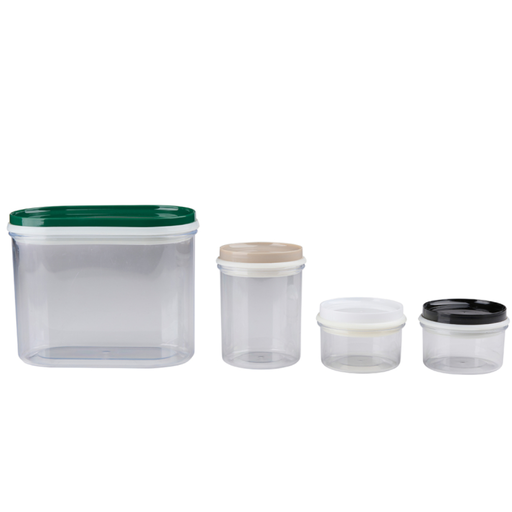
Key Feature: An ultra-versatile and affordable set to bring order to your kitchen without breaking the bank.
This polypropylene (PP) plastic food container set is the perfect starter kit for organising your kitchen. With four different sizes, it adapts to every scenario, from storing small snacks to preserving dinner leftovers.
Highlights:
Who is it for? For students, people living alone, or anyone looking for an effective and affordable first storage solution for their kitchen.
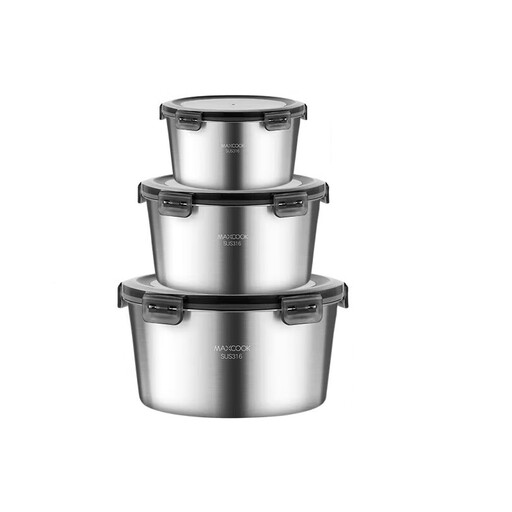
Key Feature: The durability and peace of mind of high-quality stainless steel.
Crafted from 316 stainless steel, renowned for its excellent corrosion resistance, this set is a true long-term investment. It's the ultimate healthy alternative for those who want to banish plastic from their kitchen.
Highlights:
Who is it for? For healthy eating enthusiasts, families who practice meal prep, and anyone who wants an indestructible lunch box and a durable alternative to plastic and glass.
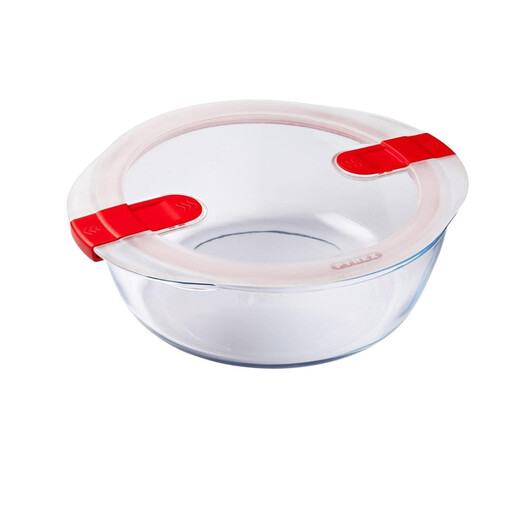
Key Feature: The Swiss Army knife of the kitchen—a large, all-in-one container for cooking, storing, and reheating.
This glass container from PYREX is the very definition of versatility. Its borosilicate glass dish can withstand high oven temperatures (without its lid), while its patented lid with a steam valve makes it the perfect partner for storing and then reheating in the microwave.
Highlights:
Who is it for? For meal prep kings and queens who think big, families who want to store an entire dish, and anyone who loves the idea of using (and washing) just one container.
Our selection highlights three very different profiles, but the choice of a food storage container is ultimately a personal one. To discover other sizes, materials, or features, feel free to explore our full range.
Explore the Full Range of Food Containers
Without a doubt, glass and stainless steel. They are the most inert and safest materials for food contact. They don't release any substances, even when heated, and they don't absorb odours or colours. If you choose plastic, it's crucial to verify that it is food-grade and guaranteed BPA-free (the PP logo for polypropylene is a good indicator).
The first step: wash your container as soon as possible after use. If a stubborn odour has set in (especially with plastic), don't panic. Fill the container with a mixture of warm water and baking soda, let it sit for a few hours, then rinse. Pro tip: always store your containers open, without their lids, to let the air circulate.
Absolutely not, and the rule is simple: never put metal in the microwave! This therefore includes any stainless steel container. For glass and plastic, the "microwave-safe" pictogram is your only reliable guide. Always trust it. A small precaution with plastic: avoid reheating very fatty or sugary foods at full power, as they can reach extremely high temperatures and risk warping the container.