
Same-day & Next-day Delivery

Quality Guaranteed

Unlock Your Welcome Offers: FREE Delivery | Up to 80% OFF | Free 30-day JoyPlus trial
Download the APP
Equipping your kitchen with food storage containers often feels like a puzzle. Between marketing promises and the trials of daily use, you quickly end up with cupboards overflowing with mismatched containers, orphan lids, and boxes permanently stained by last night's bolognese sauce. To avoid throwing money down the drain, it's crucial to know how to sidestep the most common pitfalls and make a choice that is as durable as it is practical.
Our mission? To help you see things more clearly. Let's forget the technical jargon and focus on the essentials: what really matters for your kitchen and your wallet. To start, let's review the two mistakes that cost consumers the most:
To avoid falling into these traps again, three essential criteria are all you need to guarantee a smart purchase that's perfectly suited to your daily life, whether you're prepping meals in advance (meal storage) or taking your lunch box to the office.
The choice of material is critical. Each option has its own advantages and disadvantages.
The effectiveness of an airtight food container depends on its locking system. The most reliable models combine two elements:
Before buying, check the pictograms indicating the container's compatibility:
Rather than searching for the one "perfect" product, it's better to find the one that fits a specific use. Here is our selection, designed for every type of user:
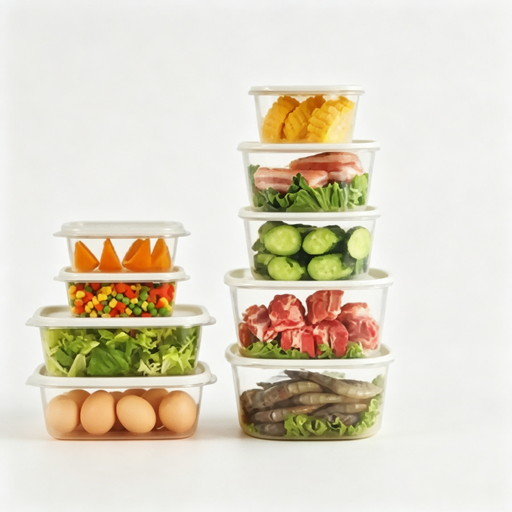
Why we chose it: This food storage container set is a complete and budget-friendly solution for outfitting a kitchen or replacing an old, mismatched collection. It offers multiple sizes for various uses, from leftovers to dry ingredients.
By offering a cohesive set, it solves the problem of incompatible lids and bases. The containers are designed to be airtight and are microwave- and freezer-safe, covering basic needs without any unpleasant surprises.
An excellent value that allows you to quickly get equipped with functional, uniform containers.
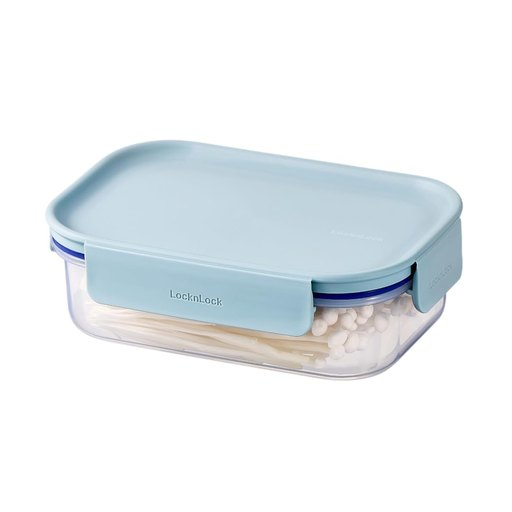
Why we chose it: Its rectangular shape and stackable design are engineered to optimise fridge space. The 910 ml capacity is perfect for a full meal portion, making it a top choice for weekly meal preparation.
Made from high-quality, BPA-free plastic, it's built for heavy use. It withstands repeated cycles in the dishwasher and microwave without warping, unlike low-end plastics.
Modular and stackable design for maximum space-saving. Its locking system is renowned for its reliability.
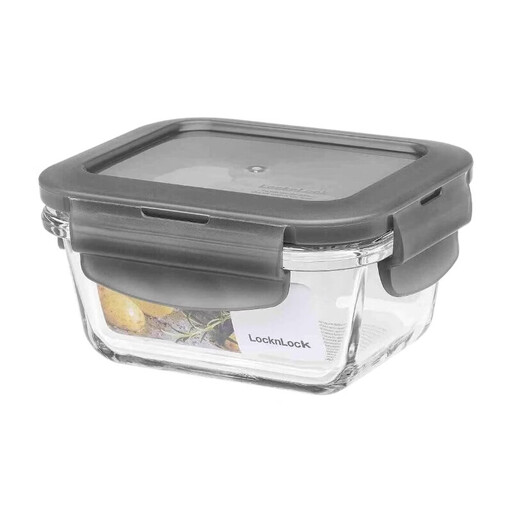
Why we chose it: This glass container is the epitome of versatility. It allows you to bake a casserole in the oven (up to 400°C, without the lid), store it in the fridge, reheat it in the microwave, and serve it directly at the table.
The borosilicate glass is highly resistant to thermal shock (within normal use) and is completely impervious to stains and odours. No more containers ruined by tomato sauce.
Extreme versatility (baking, storing, serving) and impeccable hygiene thanks to a neutral, non-porous material.
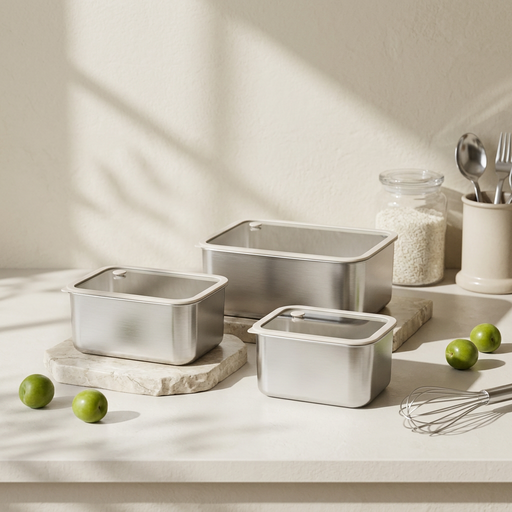
Why we chose it: For those seeking a virtually indestructible and healthy solution. The 304 stainless steel is food-grade, won't rust, won't break, and doesn't react with food. It's a long-term investment.
It completely eliminates the problems of staining, odours, and breakage associated with other materials. The glass lid with a silicone seal ensures a reliable seal without plastic touching the food.
Exceptional strength and durability. An inert material that preserves the taste of food and offers peace of mind. Note: not microwave-safe.
We have compiled a complete and up-to-date list of products that meet these strict selection criteria and safety standards.
No, and this is a crucial point: you must check for the "microwave-safe" pictogram on the container or its packaging. To be safe, always opt for a BPA-free plastic container. Pro tip: remove the lid or simply rest it on top of the container without clipping it shut to allow steam to escape.
For plastic, a tried-and-true method is unbeatable: make a paste of baking soda and water, leave it inside for a few hours, and then rinse. For a glass or stainless steel container, it's hassle-free: a simple wash is all it takes, as these non-porous materials do not retain any odours.
A high-quality airtight food container with a clean silicone gasket and an effective locking mechanism is designed to be completely liquid-tight. However, wear and tear or a poorly positioned gasket can reduce its effectiveness over time. Getting into the habit of visually inspecting it from time to time is a good practice.